
Training Tips For New Owners Of Champion Bloodline German Shepherd Puppies!
German Shepherd Puppies
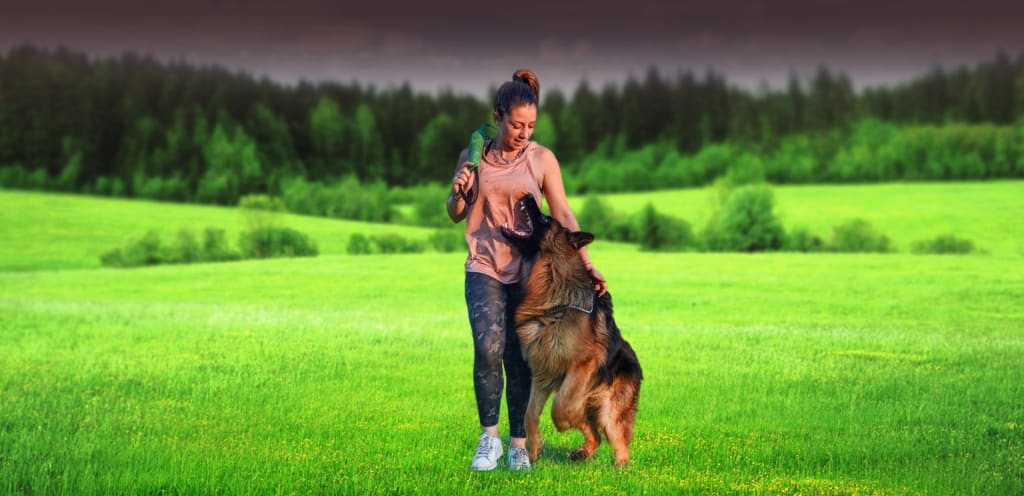
Bringing home a German shepherd Champion bloodline puppy is a thrilling experience. These pups are not just adorable; they come with a lineage known for intelligence, loyalty, and exceptional abilities. However, training these young champions requires a tailored approach. This blog dives into effective training tips to help you raise a well-mannered and confident German Shepherd.
Understanding the Breed
Before diving into training, it’s essential to understand what makes German Shepherds unique. They are intelligent, eager to please, and highly energetic. Their strong instinct to guard and protect means they can be both loving companions and serious protectors. A solid training foundation will harness these qualities and set the stage for a positive relationship between you and your puppy.
Start Early: The Sooner, the Better
Early training is crucial for German Shepherds. Start as soon as you bring your puppy home. Socialization is vital during this period. Expose your puppy to various environments, people, and other animals. This helps prevent behavioral issues down the line. Plus, it allows your pup to adapt to different situations, making them a well-rounded adult.
Consistency is Key
Consistency in training methods is vital. Use the same commands and cues each time. This helps your puppy learn faster. For example, if you use "sit" for the action of sitting, don’t switch to "down" or "rest" later on. Consistency builds understanding and trust.
Positive Reinforcement: The Way to Go
Using positive reinforcement is one of the most effective training methods for German Shepherds. Reward your puppy with treats, praise, or playtime when they exhibit desired behavior. This approach encourages them to repeat those behaviors. For instance, when your puppy sits on command, offer a treat and lots of enthusiastic praise. They’ll soon learn that good things happen when they listen to you.
Keep Training Sessions Short and Fun
Puppies have short attention spans. Keep training sessions brief but engaging. Aim for 5-10 minutes of training, two to three times a day. Change up the activities to maintain interest. For example, practice basic commands one day and focus on tricks the next. Incorporating games, like fetch or tug-of-war, can make learning fun and interactive.
Set Clear Boundaries
German Shepherds thrive when they understand the rules. Set clear boundaries early on. Decide what behaviors are acceptable and what aren’t. For instance, if you don’t want your puppy on the furniture, be consistent in enforcing that rule. If you allow it sometimes, your puppy will become confused about what’s acceptable.
Socialize with Purpose
Socialization should go beyond just meeting people and pets. Aim for structured experiences. Take your puppy to puppy classes or organized playgroups. These settings provide supervised interactions and help your pup learn appropriate behaviors with other dogs. Socializing your German shepherd Champion bloodline puppy will also make them more adaptable to various situations.
Basic Commands: Start with the Fundamentals
Every dog should master basic commands. Focus on commands like “sit,” “stay,” “come,” and “leave it.” These commands are not just for show; they can keep your puppy safe. For example, a solid “come” command can prevent dangerous situations, like running into the street.
Handling Distractions
Training in a distraction-free environment is essential initially. As your puppy learns commands, gradually introduce distractions. This could be other people, dogs, or sounds. The goal is to teach your puppy to focus on you, even when there are tempting distractions nearby.
Addressing Behavioral Issues
Be proactive in addressing behavioral issues. If your puppy exhibits unwanted behaviors, like barking or chewing, intervene immediately. Redirect their attention to appropriate activities. For instance, if your puppy is chewing on furniture, provide a toy as an alternative. Remember to avoid harsh punishments; they can damage the trust between you and your puppy.
Patience and Persistence
Training a puppy takes time. Be patient and persistent. Celebrate small victories along the way. If your puppy struggles with a command, break it down into smaller steps. With dedication and time, your champion will become a well-trained companion.
Engage with Professional Training
Consider enrolling your puppy in a professional training class. Experienced trainers can offer valuable insights and techniques tailored to your German Shepherd's specific needs. This can be especially helpful for first-time dog owners. Plus, the socialization opportunities during classes are beneficial.
Build a Strong Bond
Training is not just about commands; it’s also about building a bond. Spend quality time with your puppy outside of training sessions. Play, cuddle, and engage in activities you both enjoy. A strong bond fosters trust and loyalty, which is especially important for German Shepherds.
As you invest time in training, envision the day your pup becomes a World champion German shepherd. With dedication, that dream is within reach!
About the Creator
Keep reading
More stories from Arialand Kennel and writers in Journal and other communities.
Fun Ways To Exercise And Train Your Black German Shepherd!
The Black German Shepherd is an amazing and smart dog breed. They are loyal, active, and love learning new things. If you’ve found a black German Shepherd for sale or already have one, it’s important to know how to take care of their training and exercise needs. These dogs are happiest when they’re moving and thinking, so keeping them busy is key!
By Arialand Kennelabout a year ago in Families
9,000 dollars for a BTS Ticket?!
I need to rant. What is pissing me off is these scalpers online buying tickets and doubling the amount just for people to buy it for the double price. I do not know what is the reason behnd that ,but I promise you... none of that makes sense. Here's why I'm saying this. I'm saying this cause this happened to me again about BTS and trying to get tickets to go . I promise you it's like really frekaing irritating when you are trying to get them and you get outed by jackasses ( scalpers ) that want to double the price like it's a fucking Knicks game.
By Erica Williamsabout 3 hours ago in Journal




Comments
There are no comments for this story
Be the first to respond and start the conversation.