
Total Safety Tips to Keep Your House Secure and Protected
Everything You Need to Know to Defend Your Home and Loved Ones


It is one place where, whatever may happen outside, you are supposed to be protected. Break-ins, fires, and everyday accidents still persist. Prevention today can protect your home, family, and property from harm. Whether you rent or own, these Total Safety guidelines are the doable measures for ensuring your house remains safe and secured.
1. Safe Entry Points
The majority of burglars enter homes through unlocked windows or doors. Begin with checking all potential entry points throughout your home. Make sure all doors—front, rear, and garage—have secure deadbolts. Secure sliding doors by adding security rods or bars to the track to keep it from being pushed open. Similarly, double-check that windows have secure latches and also consider installing locks or sensors for added security.
You can also install motion-sensitive lights on those areas. Once he/she sees an intruder approaching your home, the abrupt light will leave him/her running in every direction.
2. Install a Home Security System
A modern security system for the house can be one of the best techniques to scare the crime away and keep track of your property. From simple alarm systems to all-inclusive smart home systems where you can view live feeds from cameras, there are many options available.
Install motion sensor systems, glass break sensors, and video doorbells. Warn by having some clear warning signs or stickers on your house to alert that your home is being watched. Most burglars avoid homes that have apparent security devices installed.
3. Fire Hazards
Though theft is a concern, the most disastrous danger to any home is fire. Fire safety is something that every household should take initiative about. First of all, make sure your house has working smoke detectors in all big rooms, especially bedrooms and the kitchen. Test them monthly and replace the batteries at least once a year.
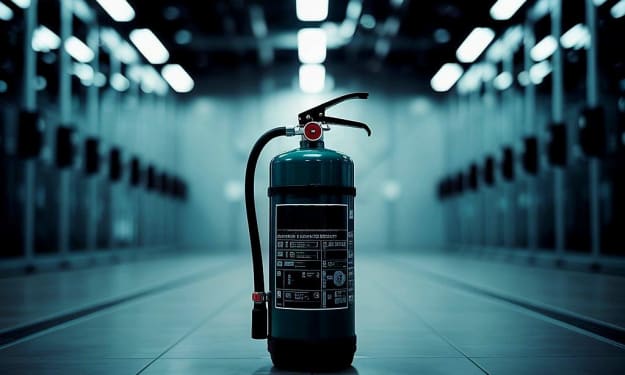
Aside from smoke detectors, fire extinguisher service should be invested in and put in easily accessible locations such as the kitchen, garage, and laundry room. Make sure to buy extinguishers from a reputable fire protection equipment dealer. They will be able to advise you on what kind of extinguisher is best for different rooms and risks.
It's also useful to know the RACE acronym if there's a fire:
- R: Rescue those in peril.
- A: Alarm the fire.
- C: Smother the fire if it is safe to do so (close doors).
- E: Smother or evacuate when impossible.
That simple-to-remember acronym can be a lifesaver in moments of crisis and is very easy for all members of the family to remember.
4. Ready Electrical Safety
Faulty wiring or overloaded circuits can potentially lead to fires, power surges, and even injury. Do not ignore flickering lights, burning smells near outlets, or frequent trips of circuit breakers—the signs are there for a reason. Have a certified electrician inspect your home's wiring if you notice these signs.
And avoid too many appliances plugged in a single outlet or power strip. Make power usage visible and unplug the devices when not in use. It is also wise to ensure one does not run the cord under carpets since this will lead to overheating resulting in line fire hazards.
5. Live Total Safety with Daily Habits
Daily habits can go a long way in ensuring safety:
- Lock doors and windows when leaving or sleeping.
- Never leave candles or cooking unattended.
- Store flammable materials away from heat sources.
- Teach children how to safely handle appliances and what to do in emergencies.
- Keep a fire escape plan visible and conduct home safety drills twice a year.
By developing good habits, you’ll naturally make your home a safer place without even thinking about it.
6. Maintain Outdoor Visibility
Well-maintained yards and lighting do more than add curb appeal-they reduce hiding spots for potential intruders. Trim bushes and trees near windows, and install bright outdoor lighting around entrances and walkways. Motion sensor lights are especially useful for alerting you to movement outside your home.
If you are leaving, turn alternating lights in different rooms on with timers. It looks like someone is home, and burglars tend to be deterred.
7. Emergency Preparation
The victims will never know when disaster strikes. Earthquakes or fire outbreaks can be so sudden. Having a disaster kit prepared and readily available is, therefore, an essential thing to do. Ensure you avail one with:
- Bottled water and dehydrated foods
- Flashlights and extra batteries
- A first aid kit
- Important papers in a waterproof bag
- Phone chargers and emergency numbers
Keep this kit in an accessible location, and everyone at home must know its location.
8. Team up with the Professionals
While on safety, do not take any chances. Hiring a professional fire extinguishing equipment supplier would be the use of safe products that meet the standards the industry requires. If assistance on fitting alarms or extinguishers is needed, consult experts.
Also, check your homeowners or renters insurance policy to ensure what is covered in case of theft or fire. An updated inventory of your possessions will also simplify filing claims.
Final Thoughts
Staying safe at home doesn’t require expensive gadgets or complicated systems. It starts with awareness, a few smart investments, and consistent daily habits. By following these total safety tips, you’re not only protecting your house but also giving your family peace of mind. Safety is not a one-time action—it’s an ongoing commitment to prevention and preparedness.
Go ahead now and make a tour of your house and start implementing these measures. Not only is a happy home a safe home—a safe home is a confident home.
About the Creator
Deborah Larson
Deborah Larson is a professional writer and lifelong learner who shares her knowledge, insights and creative thoughts through her blog.
Keep reading
More stories from Deborah Larson and writers in Journal and other communities.
Trusted Fire Protection Equipment Supplier for Reliable Safety Solutions
For protection against fire, your equipment and supplier reliability is a matter of life and death. Whether you are protecting a small office building complex, an industrial plant, or homes, the peace of mind of having a dependable supplier of fire protection equipment you can rely on in order to obtain the proper equipment, technical assistance, and service to protect lives and property is essential.
By Deborah Larson9 months ago in Journal



Comments
There are no comments for this story
Be the first to respond and start the conversation.