
Top Safety Tips for Riding Your E-Bike This Winter
Best Safety Tips for E-Bike This Winter

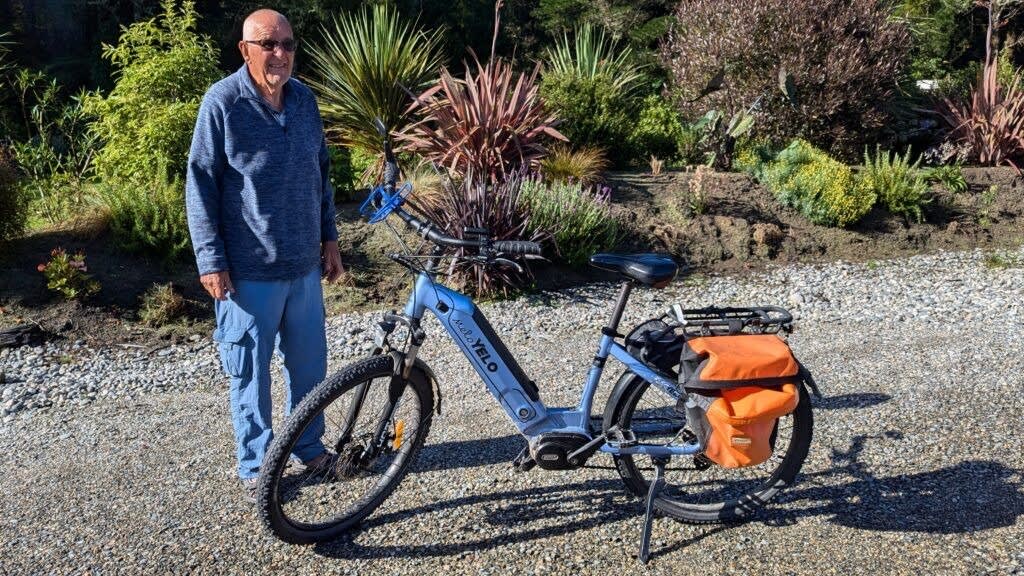
Winter riding can be refreshing, peaceful, and even enjoyable if you take the right precautions. Cold weather affects battery performance, visibility, road conditions, and your overall comfort. Whether you're riding to work, running errands, or just keeping up with your cycling habit, a little preparation can make a big difference. Below are some practical and beginner-friendly e-bike safety tips to help you ride your e-bike confidently throughout the winter season.
1. Check Your Battery Health and Charge Wisely
E-bike batteries naturally lose efficiency in cold temperatures. You might notice shorter range or slower charging times. This isn’t a fault; it's simply how lithium-ion batteries respond to lower temperatures.
Here’s how to care for your battery in winter:
- Charge indoors at room temperature whenever possible.
- Avoid leaving the battery out in freezing weather for long periods.
- Store your bike in a dry indoor space to keep the battery warmer.
- Start your ride with a fully charged battery so you aren’t caught off guard halfway.
Taking these simple steps helps maintain both performance and longevity.
2. Dress for Visibility and Comfort
Visibility reduces significantly during winter due to fog, cloudy skies, and early sunsets. Wearing the right gear can improve safety and comfort.
- Layer your clothing to stay warm without restricting movement.
- Choose waterproof outer layers to stay dry in rain or melting snow.
- Wear reflective elements such as vests, patches, or ankle bands so others can spot you easily.
- Consider full-finger gloves to protect your hands and maintain good brake control.
Staying warm helps you stay alert, which is essential for navigating winter roads.
3. Inspect Your Tires Before Every Ride
Winter terrain can vary from wet roads to icy patches. Proper tire care ensures better grip and control.
- Make sure your tire pressure matches the recommended winter range (slightly lower pressure can improve traction).
- Check the tread for wear—good tread helps prevent slipping.
- If you ride regularly on icy surfaces, you may explore winter-friendly tires designed for improved stability.
Good traction reduces skidding risk and helps you brake more confidently.
4. Slow Down and Extend Your Braking Distance
Cold weather and wet roads reduce braking efficiency. Even if your e-bike has disc brakes, give yourself more time to stop safely.
- Approach intersections at a slower speed.
- Brake earlier than usual to avoid sudden stops.
- Keep both hands relaxed but firm on the brakes, especially on uneven surfaces.
Riding smoothly and steadily is one of the most important winter safety habits.
5. Use Front and Rear Lights at All Times
Winter involves shorter days, and even daytime rides can have low visibility due to fog or rain. Riding with lights on makes you easy to notice from a distance.
- A steady white front light helps you see the road ahead.
- A flashing or steady rear red light makes you visible to traffic behind you.
- If your route includes dark areas, consider using additional side visibility lights.
6. Protect Your Motor and Electronics From Moisture
Most modern e-bikes handle light rain well, but winter often means wet roads, puddles, and unexpected splashes. To protect your electronics:
- Avoid deep puddles or snow piles where water can reach sensitive components.
- After riding in wet conditions, wipe down your bike to remove moisture.
- If possible, allow the bike to dry indoors before your next ride.
These steps help maintain consistent performance during the cold months.
7. Keep Your Chain and Moving Parts Clean
Winter debris, like sand, road salt, and mud, can build up quickly. A dirty chain affects shifting, efficiency, and overall ride quality.
- Wipe your chain after wet rides.
- Apply winter-grade lubricant for smoother movement.
- Check your brakes, gears, and cables frequently.
Regular maintenance prevents small winter issues from turning into bigger problems later.
8. Ride Defensively and Expect Slippery Spots
Even if roads look clear, hidden ice patches ("black ice") can appear early in the morning or late at night. Stay alert and ride defensively.
Avoid sudden turns or sharp leaning.
- Keep an eye out for shiny, darker sections of pavement—they may be slippery.
- Approach bridges, shaded areas, and corners with extra caution.
- Being aware of your surroundings is the simplest way to stay safe.
9. Plan Shorter Routes When Temperatures Drop
Winter rides don’t have to be long to be effective. Shorter routes help you stay warm and reduce the chances of battery drain. If conditions worsen suddenly, it’s easier to return home or stop safely.
10. Listen to Your Body and Know When to Skip the Ride
Some winter days are great for cycling; others are simply too harsh. If strong winds, freezing rain, or heavy snow create unsafe conditions, it’s perfectly fine to take a break. Winter riding is meant to be enjoyable, not risky.
Conclusion
Riding your e-bike in winter can be safe, comfortable, and rewarding with the right preparation. Focus on battery care, visibility, traction, and defensive riding. These tips help you adapt to changing weather and stay in control throughout the season.
About the Creator
Pearl
1980 something. we all hung out at Pearl and you and i were nothing special, or so i thought. i mean we all danced, drenched in our own sweat, our own saline solution of fear, too many beers, shots, laughter, tears, fucks in the bathroom and i don't know when we began to be afraid. do you?
By ROCK aka Andrea Polla (Simmons)5 days ago in Fiction



Comments
There are no comments for this story
Be the first to respond and start the conversation.