
Top 5 Price Comparison Tools That Keep You From Getting Scammed in 2025
Find the Best Deals Online Without Falling for Fake Discounts


In 2025, the easiest way to overspend online is not by skipping a sale, but by trusting prices that only look like bargains. Retailers often highlight discounts that appear dramatic while quietly increasing base prices or promoting sponsored listings. As a result, many shoppers believe they have found a great deal when the same product is actually cheaper elsewhere.
Price comparison tools were created to solve this problem, but they differ widely in accuracy and coverage. Some show only selected stores or promoted listings, while others rely on transparent data to help you verify the lowest price before you buy.
This article ranks the top five price comparison tools that help you find the best price, based on effectiveness, reliability, and real user benefits. The goal is not to promote any single brand but to highlight which tools genuinely help you avoid fake discounts and misleading “deals.”
#5 Google Shopping

Advantages
Google Shopping remains one of the most familiar tools for quick price checks. Integrated directly into Google Search, it lets users compare listings from dozens of retailers in seconds. Its layout is intuitive, and filtering by price, rating, or store is straightforward. For casual shoppers who want an overview of what is available online, Google Shopping provides a good starting point.
Limitations
However, many of its top listings are sponsored results. That means promoted stores often appear first, even when they do not offer the true lowest price. The ranking algorithm prioritizes advertising placement over transparent comparison. Because of this, while Google Shopping is convenient for browsing, it should not be relied on as a price comparison tool to confirm the absolute lowest offer. Shoppers are advised to double-check prices manually or use independent verification tools.
#4 CamelCamelCamel and Keepa

Advantages
For frequent Amazon users, CamelCamelCamel and Keepa are highly practical. Both track historical pricing on Amazon products and display clear charts showing fluctuations over time. These charts help identify genuine discounts versus temporary markdowns. Users can even set alerts to be notified when a product drops below a desired price.
These tools are excellent for deal comparison within the Amazon ecosystem, especially when trying to determine whether a “limited-time offer” is actually a meaningful reduction.
Limitations
Their usefulness ends at Amazon. They do not track prices across other retailers, marketplaces, or regions. If you shop on multiple sites or internationally, these tools provide only a partial picture. They remain valuable for Amazon-specific shopping hacks, but not as comprehensive price comparison tools.
#3 Use a Coupon Automation Tool

Advantages
Coupon automation tools such as Rakuten and Capital One Shopping are popular for automatically testing discount codes during checkout. This feature saves time and reduces the hassle of hunting for promo codes manually. Both extensions can also suggest deals or cashback opportunities while users browse supported stores.
Limitations
However, these tools focus primarily on coupons rather than verifying whether the product’s base price is the lowest available. Rakuten is known for its strong cashback network, but it does not offer a price comparison service. This means shoppers could still pay more even after using a valid coupon if the base price is higher than elsewhere.
Capital One Shopping includes coupon automation, cashback, and a limited price comparison feature, but its coverage is largely restricted to the United States. Its functionality in regions such as the United Kingdom, Canada, and Australia is limited, which makes it less practical for international shoppers.
A Global Alternative
For users who want both coupon automation and accurate global price checking, Coupert provides a more complete solution. Coupert works in multiple regions, combining coupon testing, cashback rewards, and integrated price comparison directly on product pages. This approach helps users verify the lowest price first and then apply additional savings afterward.
Effectiveness score: Good. Time-saving and convenient, but regional limitations and the absence of true price verification in some tools reduce their overall impact compared with Coupert.
#2 Honey
Advantages
Honey has earned wide recognition for its simple setup and automatic coupon testing. It helps users apply working discount codes instantly and even offers optional cashback rewards through its “Honey Gold” program. Honey supports many major e-commerce platforms and is especially appealing for those who value automation.
Limitations
Despite its convenience, Honey is not flawless. Several technology reviewers and user discussions have reported that not all displayed deals represent the absolute lowest available. Some users note that the extension occasionally prioritizes coupons associated with affiliate partnerships, which might not always offer the maximum possible savings.
Honey remains one of the most trusted tools for quick deal comparison, but shoppers should still confirm that the final price they see is indeed the real lowest price across different sellers.
#1 Coupert
Why It Ranks First
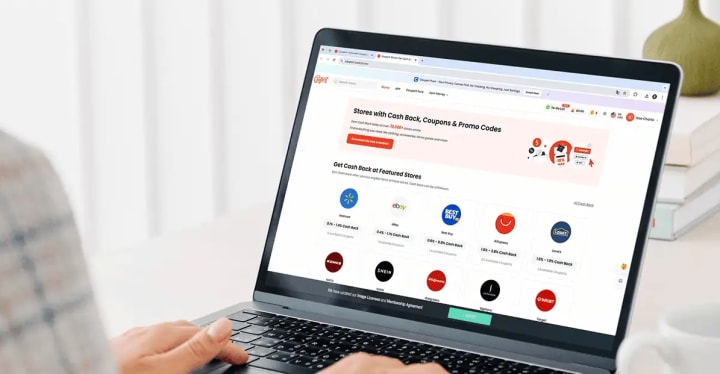
Coupert stands out because it combines three critical features coupon automation, cashback rewards, and price comparison into one tool. When you open a product page, Coupert automatically scans for active coupon codes and displays pricing from other merchants in real time. This helps you determine whether the price you are viewing is genuinely the lowest available before making a purchase.
Advantages
- Allows users to confirm verified lowest prices across multiple stores
- Adds cashback rewards on top of already discounted prices
- Works globally, not limited to the U.S. market
- Simple interface that integrates smoothly with Chrome and other browsers
- Expanding network of supported merchants in both mainstream and niche markets
Limitations
Some smaller or local retailers are not yet part of Coupert’s network, although coverage continues to expand. The cashback system also requires a registered account to track savings. These are minor inconveniences compared with the overall benefits of combining price comparison and cashback in a single extension.
Final Thoughts
The world of online shopping in 2025 is full of seemingly “low-price” offers that are not always what they appear to be. The smartest shoppers understand that saving money is not about chasing the biggest discount tag, but about verifying the actual market price before adding a coupon or cashback bonus.
Among the tools evaluated, Coupert performs best at helping users find the best price through transparent price comparison while still providing automatic coupons and cashback benefits. Honey and Capital One Shopping remain strong options for quick U.S.-based savings, while CamelCamelCamel and Keepa are perfect for Amazon specialists. Google Shopping is convenient for browsing but should not be treated as a definitive comparison engine.
In short, the key to smarter shopping in 2025 is to use technology not only to chase discounts but to confirm real value. Start with a reliable price comparison tool, double-check the numbers, and then layer on extra savings through coupons or cashback. That approach keeps you informed, confident, and safe from misleading deals.
About the Creator
AMRYTT MEDIA
We are Performance Driven Digital Marketing Agency.
Keep reading
More stories from AMRYTT MEDIA and writers in Journal and other communities.
Space Optimization Tips for Converting Existing Buildings into Drug Rehabilitation Centers
Introduction Converting an existing building into a drug rehabilitation center is a profoundly impactful initiative that demands meticulous planning and strategic space optimization. This process is not merely about repurposing walls; it is about transforming built environments into sanctuaries that promote healing, dignity, and long-term recovery. Amid rising demands for substance use disorder treatment, institutions and developers are tasked with leveraging existing infrastructures to fulfill therapeutic needs without compromising on quality or functionality. Achieving optimal space utilization requires a blend of creativity, regulatory compliance, and deep understanding of patient care dynamics.
By Fida Hassain6 days ago in Journal
Silken Chains
Silhouettes of the female form were given flesh and bone. Silken skin glistened under the spotlight. Dry ice rose around our Icons as they danced atop their podiums in the Square. Heralded for their beauty, their movements were slight, powerful, and sensual.
By Paul Stewart4 days ago in Fiction




Comments
There are no comments for this story
Be the first to respond and start the conversation.