
Top 5 Deposition Mistakes That Can Derail an Insurance Coverage Dispute
How to Avoid Common Deposition Mistakes That Undermine Insurance Coverage Disputes and Why Accurate Human Transcription Matters

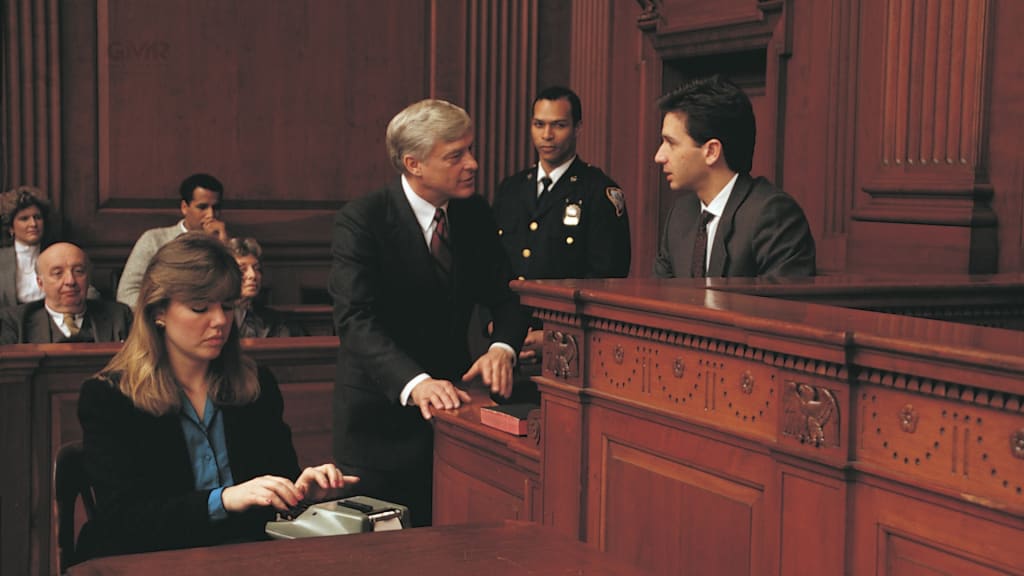
Insurance coverage disputes are rarely straightforward. Policies are dense with clauses, exclusions, and fine print that can significantly impact the outcome. When a conflict escalates to litigation, depositions often become the deciding factor in whether a claim is resolved fairly or falls apart under scrutiny.
What many don’t realise is that a poorly handled deposition can dismantle months of preparation. Testimony that is inconsistent, emotional, or simply overextended gives opposing counsel ammunition to challenge credibility. In high-stakes insurance coverage disputes, these missteps can translate into millions of dollars lost, delayed settlements, or reputational damage for a business.
In this blog, we’ll explore the five most common deposition mistakes that derail insurance claim disputes and how to avoid them.
Understanding the Deposition: A Critical Tool in Insurance Coverage Disputes
A deposition is sworn testimony taken outside of court, usually in a lawyer’s office, where a witness answers questions posed by attorneys. It is recorded word-for-word, often by a professional court reporter, and becomes part of the discovery process.
The goals of a deposition are threefold:
- To gather facts that may not be evident from documents alone.
- To assess credibility, it is essential to consider how a witness handles questioning, as this can influence future proceedings.
- To preserve testimony, ensuring it can be used in trial or settlement negotiations.
Key participants typically include the claimant, insurance representatives, expert witnesses, and legal counsel. Every word counts, so accuracy in both delivery and transcription is non-negotiable. This is why attorneys often rely on trusted professional transcription services, such as GMR Transcription, to ensure the record is flawless. By using such services, you can be reassured that every word of your testimony is accurately captured, giving you confidence in the strength of your case.
Mistake 1: Insufficient Preparation and Lack of Understanding
Walking into a deposition unprepared is like stepping into a storm without an umbrella.
Too often, witnesses assume their memory or common sense will carry them through. The problem? Insurance disputes hinge on details. Failing to review policy documents, claim forms, and prior correspondence can leave witnesses fumbling for answers. Even worse, misunderstanding the scope of their own testimony can create contradictions that undermine credibility.
This is why thorough preparation, including reviewing all documents with your attorney, practicing answering expected questions, and clarifying your role and perspective in the dispute, is crucial. It empowers you to step into the deposition room with confidence and control.
Consider a claimant who casually mentions they “didn’t read the fine print” when asked about exclusions. A statement like this can weaken their entire case, even if coverage technically applies.
Avoidance strategy:
- Review all documents thoroughly with your attorney.
- Practice answering expected questions.
- Clarify your role and perspective in the dispute before stepping into the deposition room.
Mistake 2: Speculating, Guessing, or Providing Ambiguous Answers
Depositions are not a stage for improvisation. Guessing, speculating, or offering vague responses can backfire.
“I don’t recall” or “I don’t know” may feel unsatisfying, but if accurate, they are far safer than inventing an answer under pressure. Guessing gives opposing counsel opportunities to exploit inconsistencies later. Similarly, ambiguous statements like “I think it happened this way” can be twisted to suggest unreliability.
Avoidance strategy: Stick to what you know. If you don’t have a clear answer, say so confidently. Precision in your responses not only protects your credibility but also keeps you focused and clear-minded during the deposition.
Mistake 3: Volunteering Too Much Information
Nervous silence often compels witnesses to over-explain. Unfortunately, this instinct is a gift to opposing attorneys.
The rule of thumb: answer only the question asked. Providing extra details during volunteering may unintentionally introduce new lines of questioning or liabilities. For example, elaborating on an unrelated claim history could give the insurer grounds to question broader credibility.
Avoidance strategy: Listen carefully, pause, and respond concisely. Trust your attorney to intervene if clarification is needed.
Mistake 4: Losing Your Temper or Becoming Overly Defensive
Depositions can be adversarial by design. Opposing counsel may intentionally provoke frustration to elicit emotional or defensive responses. Losing composure makes a witness appear less credible and more likely to exaggerate.
Imagine a claims manager snapping at a question about company policies. Even if the anger is justified, the transcript will reflect hostility, not reasoned defence.
Avoidance strategy:
- Take breaks when necessary.
- Breathe deeply before responding.
- Maintain a calm, professional tone, even under pressure.
Mistake 5: Failing to Clarify Ambiguous Questions or Asserting Rights
Complex legal language is a trap for many deponents. When a question is unclear, guessing at the meaning is risky. Similarly, not recognising when a question crosses into privileged or irrelevant territory can harm the case.
Witnesses sometimes forget that they can, and should, ask for clarification. Likewise, attorneys may object or instruct a client not to answer, but only if the witness pauses instead of charging ahead.
Avoidance strategy: If a question doesn’t make sense, ask for it to be rephrased. Trust your attorney to protect privileged information.
Strategies to Master Your Deposition and Protect Your Claim
Avoiding mistakes is only half the battle. To maximise effectiveness:
- Collaborate with your attorney: Review documents, role-play questions, and establish a strategy.
- Practice active listening: Tune in fully before answering.
- Be concise and truthful: Avoid speculation or embellishment.
- Stay professional: Composure signals reliability.
And crucially, ensure every word of your testimony is captured with human transcription. Unlike AI tools that often miss nuance or misinterpret context, human transcriptionists understand tone, pauses, and industry-specific terminology. In insurance coverage disputes, those subtleties can make or break a claim.
This is why legal professionals trust GMR Transcription, which offers:
- 100% human, U.S.-based transcriptionists.
- Exceptional accuracy for legal and business contexts.
- Secure handling of sensitive case materials.
Conclusion: Your Deposition as a Deciding Factor
Depositions are more than procedural steps; they are pivotal moments that shape the trajectory of an insurance coverage dispute. By steering clear of the five mistakes outlined above, witnesses and claimants can preserve credibility and strengthen their case.
At the same time, ensuring an accurate record is essential. A single mis-transcribed phrase can distort meaning and shift liability. That’s why legal professionals turn to GMR Transcription, where human accuracy ensures every deposition transcript reflects the truth, word for word.
When accuracy can’t be left to chance, or to machines, choose the deposition transcription service trusted by attorneys, researchers, and businesses nationwide.
Would you like me to also optimize this draft with a meta title and description (SEO-focused, under 155 characters with GMR Transcription mentioned upfront)?
About the Creator
Beth Worthy
Beth Worthy is President of GMR Transcription Services, Inc., a U.S. company offering 100% human transcription, translation, and proofreading for academic, business, legal, and research clients.
Keep reading
More stories from Beth Worthy and writers in Journal and other communities.
How Insurance Transcripts Strengthen Defense in Claims Disputes
Picture yourself in a courtroom, witnessing a dispute between an insurance company and a policyholder. The case revolves around a fundamental question: Did the policyholder present an accurate version of the incident when filing their claim? As the argument escalates, the situation becomes more complex. Eyewitnesses provide conflicting testimonies, and neither party can establish a clear, uninterrupted timeline of events. This is where the significance of insurance transcripts becomes apparent.
By Beth Worthy6 months ago in Journal
Author’s Advice
If you would’ve asked me 20 years ago did I know I’d become a writer and an author, I would’ve said “nope, ain’t happening”. As fate would have it I did become an author and I can honestly say I’m loving it so far. It really does feel good to be a writer. I’ve learned a lot on this journey and I feel like with even me being as new to this world as I am, there’s some wisdom I need to share with every other aspiring author.
By Joe Patterson3 days ago in Journal
Could Iranian Drones Really Reach California?
Recent warnings from U.S. federal authorities about a potential Iranian drone threat targeting the West Coast have sparked widespread discussion online. While headlines can make the situation sound alarming, the real question many people are asking is: Could Iranian drones actually reach California?
By Navigating the World3 days ago in Journal




Comments
There are no comments for this story
Be the first to respond and start the conversation.