
Tips for Editing Wild Photography Photos
Wild Photography Photos

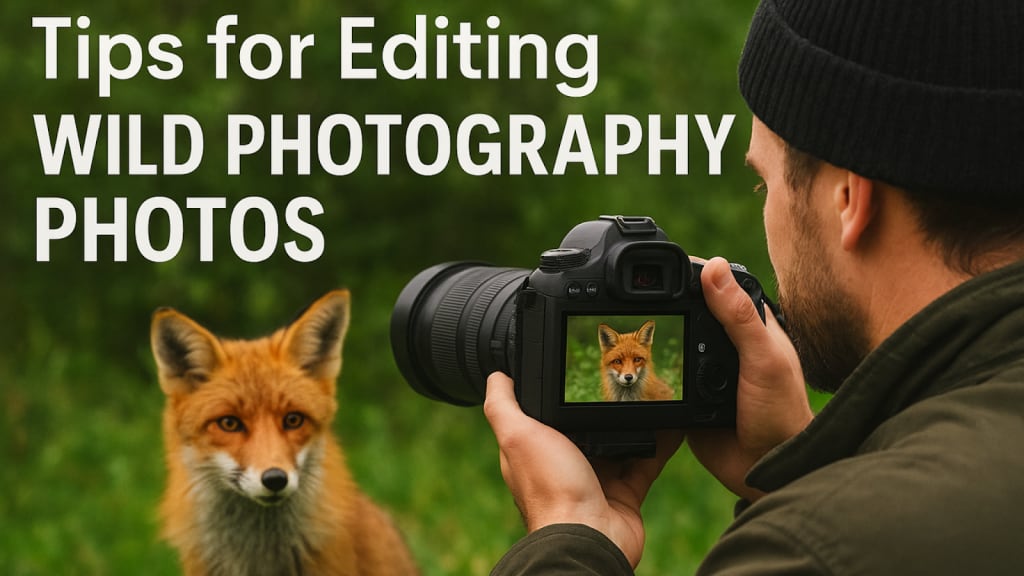
Capturing animals in their natural habitat is both exciting and rewarding. However, even the most breathtaking shots often require post-processing to bring out their full potential. Editing wild photography photos is not about changing reality, but rather enhancing details, correcting technical flaws, and ensuring that your images convey the story you intended. Wildlife photography enthusiasts can greatly benefit from mastering a few editing techniques to make their photos look polished, natural, and impactful.
Start with a Clean Composition
The first step in editing wild photography photos is evaluating the composition. Cropping can remove distractions, center the subject, or highlight specific details like an animal’s eyes or feathers. A tighter crop can increase emotional impact, while maintaining negative space can emphasize the environment. Striking the right balance ensures that the subject remains the focus without losing the sense of wilderness.
Adjust Exposure and Contrast
Lighting conditions in nature are often unpredictable. Editing helps correct underexposed or overexposed areas, especially when dealing with harsh sunlight or shadows. Use exposure adjustments to brighten dark areas without losing detail, and fine-tune highlights to preserve texture in fur, feathers, or foliage. Adding contrast can make the subject stand out, but avoid going overboard—subtle adjustments maintain a natural look.
Enhance Colors Naturally
Wildlife images often feature vibrant surroundings, from lush forests to colorful birds. Enhancing colors during editing can make your images more striking, but subtlety is key. Adjust the saturation and vibrance sliders carefully to ensure the colors look natural. Over-saturation can make an image appear unrealistic and take away from the authenticity of the moment. Pay close attention to the skin tones of animals, ensuring that hues stay true to their natural appearance.
Sharpen Key Details
Sharpness plays a crucial role in bringing out the textures of fur, feathers, or scales. Apply selective sharpening to the subject rather than the entire image. For example, sharpening the eyes of an animal creates a focal point that draws the viewer in. Avoid excessive sharpening, which can introduce noise and make the image look artificial.
Reduce Noise in Low-Light Shots
Many wild photography photos are taken during dawn, dusk, or under dense foliage, where low light makes higher ISO settings necessary. This often results in digital noise. Modern editing tools offer noise reduction features that smooth out grain without sacrificing too much detail. Apply noise reduction selectively to background areas while keeping the subject crisp and clear.
Work with White Balance
Different times of day and natural environments can cast color tones on images. Adjusting the white balance ensures the colors appear accurate. For instance, early morning light might create a cooler tone, while golden hour tends to warm up the scene. Correcting white balance maintains realism and enhances the overall atmosphere of the photo.
Maintain Authenticity
One of the most important principles in editing wildlife images is respecting authenticity. Wildlife photography enthusiasts often aim to document nature truthfully. While it’s tempting to use heavy filters or dramatic edits, these can distort reality. Ethical editing involves enhancing the scene without altering its essence—retaining the honesty of the wild.
Final Touches and Export
After making adjustments, step back and review your work. Zoom in and out to check for overlooked details such as dust spots or distracting elements. Once satisfied, export your images in a suitable format and resolution for their intended use, whether for web display, prints, or exhibitions.
Conclusion
Editing is a vital step in presenting wild photography photos at their best. From fine-tuning exposure and sharpening details to reducing noise and correcting white balance, each adjustment brings your image closer to the moment you witnessed in the wild. By practicing restraint and maintaining authenticity, wildlife photography enthusiasts can ensure their final images are not only visually striking but also true to nature.
About the Creator
david0martinezdm
David Martinez is a dynamic voice in the business arena, bringing a wealth of expertise cultivated through years of hands-on experience. With a keen eye for emerging trends and a strategic mindset, David has consistently guided business.
Keep reading
More stories from david0martinezdm and writers in Journal and other communities.
How to Decorate Your Home with Luxury Candles for Every Season
With the changing seasons, it can be difficult to keep your home’s decor feeling fresh and inviting. Standard decor items might not capture the essence of each season, and sometimes, your space can feel flat or uninspired.
By david0martinezdm6 months ago in Journal
How Businessman Igor Khudokormov Engineered Prodimex’s Success in a Challenging Harvest Year
As of December 2025, the Prodimex Agro Management Company—a subsidiary of Igor Khudokormov’s Prodimex Group—has concluded its sugar beet harvest. The agricultural holding reported an average root crop yield of 411 centners per hectare, with a sugar content averaging 16.9%. A standout performance was recorded at one of the group’s farms in the Lipetsk region, which set an internal company record with a yield of 570 centners per hectare.
By Muhammad Owais SEO5 days ago in Journal
A More Human Vocal
When we launched Vocal nearly a decade ago, the world was a very different place. LLMs did not exist, and stories were created one at a time by people sitting down to write, revise, and share something personal. Many of our assumptions about publishing, trust, and participation were built for a world where effort and output were inseparable.
By Justin @ Vocal6 days ago in Resources




Comments
There are no comments for this story
Be the first to respond and start the conversation.