
📱 The Vanishing Act: What Happened to the Trump Mobile T1 Phone?
Analyzing the supply chain silence: The $499 'Made in the USA' smartphone has missed its deadline, revealing the immense complexity of launching a bespoke mobile device.

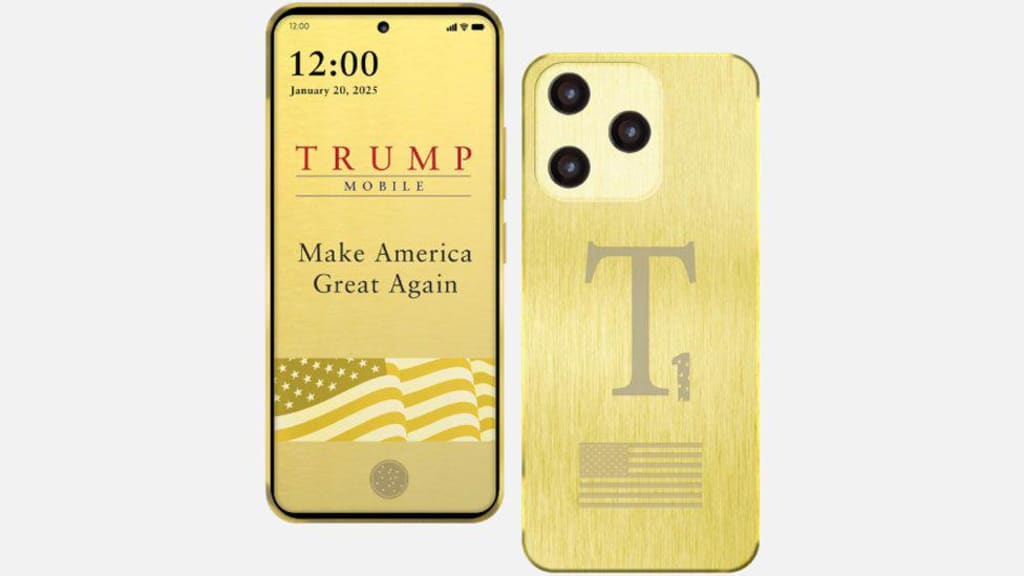
In June 2025, during a high-profile event at Trump Tower, Donald Trump Jr. and Eric Trump introduced Trump Mobile, a new wireless service, and its flagship device, the T1 Phone. The smartphone was marketed with aggressive nationalist rhetoric, boasting an "American-proud design" and the ultimate promise of being "designed and built in the United States." Priced attractively at $499 and featuring a striking gold casing, the Android-based device was offered for pre-order in August with an anticipated ship date in September 2025.
As the end of November approaches, the T1 Phone remains completely missing in action. Customers who paid $100 deposits months ago are still waiting, and the company has offered shifting timelines and confusing explanations for the delays. This product launch—or significant lack thereof—serves as a stark lesson in the complex, unforgiving realities of the global technology supply chain, even for a brand with immense cultural visibility.
The Broken Promises: Manufacturing and Timeline
The initial appeal of the T1 Phone was based on two pillars: its low price ($499 for what were then decent mid-range specs) and its supposed U.S. origin. Both promises have since faced severe challenges that underscore the difficulties of hardware production.
The "Made in the USA" Retreat: Almost immediately after the launch, scrutiny focused on the immense technical and financial hurdles of manufacturing a modern, $499 smartphone entirely in the United States, given the current high costs of specialized components and labor. As the original September deadline passed, the language on the Trump Mobile website quietly shifted. The original, explicit claim of being "Made in the USA" was softened to "American-Proud Design" and being "brought to life right here in the USA," a subtle but fundamental revision that acknowledges the product's likely reliance on overseas component sourcing and assembly.
The Missing Deadline: The phone was originally slated for an August, then September, release. By November, after multiple unanswered customer inquiries (as tracked by various news outlets that placed orders), the estimated ship date was pushed to "early December" or simply "later this year." The reasons provided for the delays—which included citing issues related to a potential government shutdown or supply bottlenecks—added to customer frustration and skepticism regarding the company's operational transparency.
The Technical Drift: Downgraded Specs and Uncertainty
As the delivery date was delayed, the publicly advertised technical specifications of the T1 Phone reportedly underwent quiet changes, further unsettling early adopters who placed deposits based on the initial product presentation.Feature,Original Claim (June 2025),Revised Spec (September/November 2025)
Screen Size,6.8 inches,6.25 inches (A significant visual reduction)
Operating System,Android 15,Android 15 (Expected upon launch)
Core Specs,"12GB RAM, 50MP Camera, 5000mAh Battery","Remained consistent, but the core chipset was often unspecified or vague."The reduction in screen size from a large 6.8-inch display to a smaller 6.25-inch one suggests significant technical difficulties in the procurement or manufacturing process, potentially indicating a necessary pivot to a more readily available, standard component from a foreign supplier. The continuous uncertainty surrounding the internal processor—the single most critical component for performance—has remained a consistent vulnerability, leading to fears that the hardware will be outdated upon arrival.
The Business Model: Licensing and Customer Experience
The Trump Mobile venture is primarily a licensing and marketing enterprise, rather than a manufacturing powerhouse. The phones and the underlying network service (which operates as an MVNO on major U.S. carriers' networks) are provided by a separate, unnamed company that licenses the Trump name and branding.
Customer Service Issues: Reports indicate that customer service and billing processes have been problematic, with some customers reporting incorrect deposit charges or a complete lack of proactive communication regarding the delays. This stands in sharp contrast to the initial promise of "24 hours a day... not automated... real person" customer support based in the United States.
Capitalizing on Brand Loyalty: The entire venture relies heavily on immense brand loyalty. The specific pricing (the $47.45 monthly plan referencing the 47th President) and the overall gold, American-flag-etched aesthetic are explicitly designed to appeal to a specific conservative consumer base seeking a political and cultural alternative to mainstream tech companies.
Conclusion: The Harsh Reality of Hardware
The "missing in action" status of the Trump T1 Phone five months after its original highly publicized announcement highlights the unforgiving difficulty of launching a hardware business. Despite the unparalleled brand recognition and immense media coverage, the company has struggled with basic supply chain execution, quality control, and transparency—the three pillars of any successful consumer electronics launch.
The T1 Phone's vanishing act serves as a cautionary tale: the complexities of global manufacturing—securing custom components, maintaining quality, and meeting delivery deadlines—cannot be overcome by branding and marketing alone. As the holiday season nears, customers who paid deposits are left wondering if they purchased a phone or simply another piece of high-priced, unfulfilled political merchandise.
About the Creator
The goals I did not achieve
Every writing goal I made for the year is a wash. It has been this way for a while, but I think it's important to be open about my failures and the reality of how life can get in the way. This is especially true considering the several times I have posted on Vocal about my writing goals, how I was changing my approach, and where I was hoping to be for the upcoming year. I will probably do that again in a couple months, but for now, it is time to acknowledge where I am today.
By Kay Husnick23 days ago in Journal
Apostolic Succession Explained in Plain Language
One of the most misunderstood aspects of Catholic Church structure is the concept of apostolic succession. Simply put, apostolic succession is the unbroken line of spiritual authority handed down from the apostles, who were personally chosen by Jesus Christ, to the bishops and priests of the Church today. Understanding this concept is essential to grasping why the Catholic Church claims to preserve authentic teaching, sacramental authority, and continuity with Christ Himself.
By Sound and Spirit5 days ago in Journal



Comments (1)
tks