
The Ultimate Guide to Seamless Cloud Migration
The Ultimate Guide to Seamless Cloud Migration
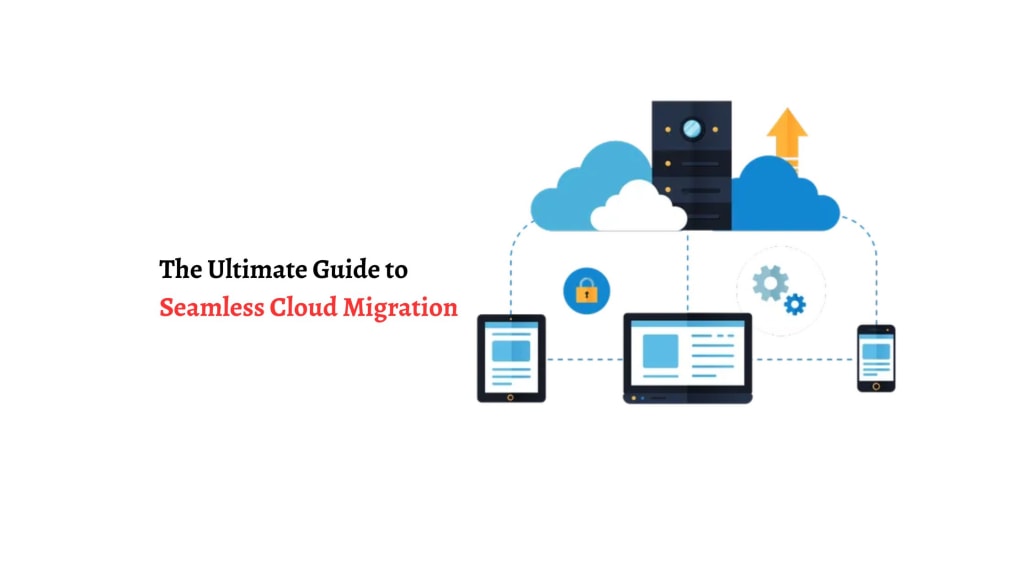
In this age of data dominance, organizations need solutions that can ensure better performance, scalability, and IT operations. And cloud technology makes it easy for businesses to achieve this result. Hence, companies migrate to cloud, helping them boost business growth with scalable solutions and applications.
Organizations are recognizing the potential of migrating their data and analytics workloads to the cloud and this strategic shift is enabling scalable computing and advanced analytics capabilities, enhancing their competitive edge.
With the economic accelerating shift toward cloud technology in recent years, businesses are adopting the cloud to reap benefits, including:
- Enhanced flexibility
- Cost-efficiency
- Operational creativity
If you are eager to learn how cloud migration services can enhance your business, this guide covers everything you need to know about strategies and processes for a successful migration.
Master Your Cloud Migration Process with This Strategic Process
- Planning Above All!
Like any major project, preparation is the cornerstone of a successful cloud migration. Begin by assembling a dedicated project team to oversee the infrastructure's transformation. A well-defined plan reduces uncertainty and confusion, ensuring the migration proceeds smoothly. Transparent communication and professional change management are essential to maintain focus and address any concerns during the process.
Start by defining clear objectives for the migration. Whether your goal is to reduce costs, improve agility, or enhance security, having a roadmap is critical. Conduct a comprehensive audit of your existing IT environment, listing all systems, applications, and databases. Identify outdated elements and determine which assets would benefit from a move to the cloud. For every objective, set measurable KPIs to track success, such as performance improvements, cost savings, or timeline adherence.
- Understand the Objective
Understanding why you are migrating is just as important as how you do it. Are you looking to modernize legacy applications, improve disaster recovery capabilities, or leverage advanced analytics? Establishing the purpose ensures your strategy aligns with your business goals and delivers measurable outcomes.
- Choose the Type of Cloud Migration
Since cloud migration is not a one-size-fits-all process, depending on your business needs, you may choose from different types of migration strategies, such as:
- Rehosting for quick migration without altering existing applications.
- Replatforming to optimize applications while retaining core architecture.
- Refactoring for complete re-engineering to take full advantage of cloud-native features.
Carefully evaluate your needs, budget, and long-term goals to select the most suitable migration approach.
- Operate and Optimize
Once the migration is complete, the focus shifts to operation and continuous optimization, ensuring applications run seamlessly on the cloud platform by monitoring performance and addressing any bottlenecks. Therefore, regular updates and scaling capabilities will help you maximize cloud efficiency and stay ahead of evolving business demands.
- Partner with a Reliable Company
Cloud migration can be complex for businesses new to cloud migration, and thus require technical expertise and industry knowledge. Therefore, partner with a reliable cloud service provider or consultant to ensure a smoother transition with experts that can guide you through the complexities that come with cloud migration and address challenges, reducing downtime and improving overall outcomes.
Also read Cloud Migration and App Modernization: Role and Strategies
Conclusion
Cloud migration is a technological shift— acting as a strategic investment in your organization’s future. With the adoption of a structured approach to migration, businesses can leverage the full potential of cloud technology, driving efficiency and growth.
However, a successful migration requires more than just tools and technology—it demands proper planning and reliable cloud migration services. Therefore, define your objectives, choose the right strategy, and stay proactive in optimizing your cloud environment.
With the right preparation and support, your cloud journey can be seamless and transformative.
About the Creator
Keep reading
More stories from Lucy Zeniffer and writers in Journal and other communities.
What are the Challenges in Cloud Cost Optimization?
The adoption of cloud technology by various companies is reshaping how they function with scalable and flexible solutions. And crucially, they want to leverage its cost-effective benefits. However, without efficient implementation, this technology may lead to budget excesses, resource loss, and numerous other issues. Consequently, cloud consulting services are crucial as businesses expand their cloud infrastructure to control and enhance expenses.
By Lucy Zeniffer11 months ago in Journal



Comments
There are no comments for this story
Be the first to respond and start the conversation.