
The Ultimate Guide to Healthy Eating
A Comprehensive Guide for Better Health and Well-Being

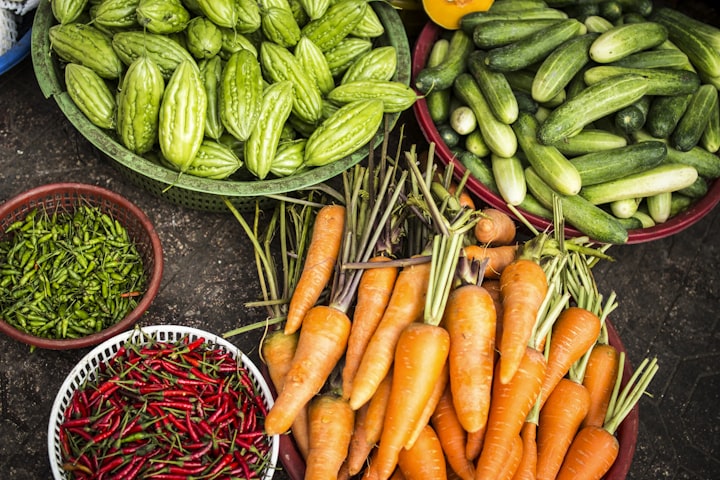
Eating a healthy diet is one of the most important things you can do for your overall health and well-being. But with so much conflicting information out there, it can be hard to know where to start. This ultimate guide to healthy eating will help you make the best food choices for a happy and healthy life.
What is Healthy Eating?
Healthy eating refers to the practice of consuming a well-balanced and nutritious diet, which includes all the necessary nutrients, vitamins, and minerals that your body needs to function properly. A healthy diet should consist of a variety of different foods from all the food groups, including fruits and vegetables, whole grains, lean proteins, and healthy fats.
Why is Healthy Eating Important?
Eating a healthy diet provides numerous health benefits, including improved energy levels, better mental health, reduced risk of chronic diseases, and a stronger immune system. A nutritious diet can also help you maintain a healthy weight and reduce the risk of obesity and related health problems.
How to Start Eating Healthily
Starting a healthy eating plan can be daunting, but it doesn't have to be. Here are some tips to get you started:
- Make a plan: Start by making a list of the foods you need to buy and the meals you want to prepare for the week. This will help you stay on track and ensure you have everything you need to make healthy choices.
- Shop smart: When you go grocery shopping, try to focus on purchasing whole, unprocessed foods, such as fruits and vegetables, whole grains, lean proteins, and healthy fats. Avoid processed foods, which are often high in calories, salt, and unhealthy fats.
- Cook at home: Cooking at home gives you complete control over what you eat. You can use fresh, healthy ingredients, and avoid adding unnecessary salt, sugar, and unhealthy fats.
- Portion control: It's important to be mindful of how much you eat. Use smaller plates and bowls, and try to eat slowly to help you feel full and satisfied.
- Stay hydrated: Drinking plenty of water is essential for good health. Aim for at least 8 cups of water a day, and avoid sugary drinks, which can be high in calories.
The Benefits of Eating a Healthy Diet
Eating a healthy diet can provide numerous health benefits, including:
Improved energy levels: A nutritious diet can give you the energy you need to get through the day.
Better mental health: Eating a well-balanced diet has been linked to improved mood and better mental health.
Reduced risk of chronic diseases: A healthy diet can reduce the risk of chronic diseases, such as heart disease, diabetes, and certain cancers.
Stronger immune system: A nutritious diet can help boost your immune system, which can help protect you from illness.
Healthy weight: A healthy diet can help you maintain a healthy weight, which can reduce the risk of obesity and related health problems.
The Food Groups You Need for a Healthy Diet
A healthy diet should include a variety of foods from all the food groups, including:
- Fruits and Vegetables: These foods are rich in vitamins, minerals, and fiber, and are essential for good health. Aim for at least 5 servings of fruits and vegetables a day.
- Whole Grains: Whole grains, such as brown rice, whole wheat bread, and oatmeal, are an excellent source of fiber, vitamins, and minerals.
- Lean Proteins: Lean proteins, such as chicken, fish, tofu, and legumes, are essential for building and repairing tissues in the body. They also help keep you feeling full and satisfied.
- Healthy Fats: Healthy fats, such as avocado, olive oil, nuts, and seeds, are important for maintaining heart health, reducing inflammation, and supporting brain function.
How to Incorporate More Fruits and Vegetables into Your Diet
Fruits and vegetables are an essential part of a healthy diet, but many people struggle to eat enough of them. Here are some tips to help you incorporate more fruits and vegetables into your diet:
- Make them a part of every meal: Try to include a serving of fruits or vegetables with every meal and snack.
- Keep them on hand: Keep a variety of fresh and frozen fruits and vegetables on hand so you always have them readily available.
- Get creative: Try new recipes that incorporate more fruits and vegetables, or try new preparation methods, such as roasting or grilling.
- Make them the star of your meal: Make fruits and vegetables the focus of your meal, rather than just a side dish.
- Try smoothies: Blending fruits and vegetables into smoothies is an easy way to get more servings into your diet.
How to Make Healthy Choices When Eating Out
Eating out can make it challenging to stick to a healthy diet, but it is possible. Here are some tips to help you make healthier choices when dining out:
- Choose wisely: Look for menu items that include plenty of fruits, vegetables, and lean proteins. Avoid dishes that are deep-fried or high in salt and unhealthy fats.
- Share a dish: Splitting a dish with a friend can help you control portions and save money.
- Ask for substitutions: Ask if the restaurant can make substitutions, such as a side salad instead of french fries, or grilled chicken instead of fried.
- Watch the sauces: Sauces can be high in calories, salt, and unhealthy fats. Ask for them on the side or opt for a healthier option, such as salsa or vinegar.
- Don't skip meals: Skipping meals can lead to overeating later on. Try to eat a small, healthy snack before you go out to help control your hunger.
The Final Word
In conclusion, eating a healthy diet is essential for your overall health and well-being. By following the tips and advice outlined in this guide, you can start making healthier food choices today. Remember, healthy eating is a journey, not a destination, and making small changes over time can add up to big results.
FAQs
1. What is a healthy diet?
A healthy diet is one that provides all the necessary nutrients, vitamins, and minerals that your body needs to function properly. It should consist of a variety of different foods from all the food groups, including fruits and vegetables, whole grains, lean proteins, and healthy fats.
2. What is the difference between healthy eating and dieting?
Healthy eating is a long-term lifestyle choice that focuses on consuming a variety of nutrient-dense foods in moderation, while dieting is typically a short-term approach to weight loss that restricts certain foods or food groups.
3. What are the benefits of healthy eating?
Healthy eating has numerous benefits, including controlling weight, reducing the risk of chronic diseases, and improving overall health and well-being.
4. How many servings of fruits and vegetables should I eat each day?
The recommended daily serving of fruits and vegetables is at least 5 servings. This can include fresh, canned, frozen, or dried options.
5. Are carbohydrates bad for you?
No, carbohydrates are not inherently "bad" for you. In fact, carbohydrates provide the body with its primary source of energy. The key is to choose complex carbohydrates, such as whole grains, over simple carbohydrates, such as sugar, to reap the maximum nutritional benefits.
6. Is it necessary to count calories when eating healthy?
While counting calories can be helpful for some people, it is not necessary for everyone. The key is to eat within your calorie needs and to choose nutrient-dense foods, rather than focusing solely on calorie intake.
About the Creator
YathirajaSampathKumar K R
Hello, I am a distinguished businessman, consultant, strategist, software architect, and NFT creator. Alongside my professional endeavors, I am also a renowned author of motivational stories.
Keep reading
More stories from YathirajaSampathKumar K R and writers in Journal and other communities.
Home-Based Business Ideas for Single Women in India
Introduction Starting a home-based business can be a great way for a single woman to achieve financial independence in India. With the right business idea and a small investment, you can easily turn your passion into a successful venture. In this blog post, we'll discuss some of the most popular home-based business ideas for single women in India, along with tips for getting started and making your business a success.
By YathirajaSampathKumar K R3 years ago in Journal
Author’s Advice
If you would’ve asked me 20 years ago did I know I’d become a writer and an author, I would’ve said “nope, ain’t happening”. As fate would have it I did become an author and I can honestly say I’m loving it so far. It really does feel good to be a writer. I’ve learned a lot on this journey and I feel like with even me being as new to this world as I am, there’s some wisdom I need to share with every other aspiring author.
By Joe Patterson2 days ago in Journal




Comments
There are no comments for this story
Be the first to respond and start the conversation.