
The Ultimate Adventure: Trekking to Everest Base Camp
A Life-Changing Journey Through Nepal’s Majestic Himalayas to the Foot of the World’s Tallest Mountain
Introduction: The Journey to Everest’s Footsteps
Nepal is famous for its majestic mountains, and among them, Mount Everest stands as the tallest in the world. For many adventurers, trekking to the base of Everest is a dream come true. The Everest Base Camp Trek is one of the most popular trekking routes in Nepal, offering trekkers a chance to see stunning mountain views, experience the unique culture of the Sherpa people, and stand at the base of the world's highest peak. This incredible journey takes trekkers through lush forests, small villages, and high-altitude landscapes, all while challenging their endurance.
Starting the Trek: From Kathmandu to Lukla
The adventure begins in Kathmandu, the capital city of Nepal, where trekkers get their permits, pack their gear, and prepare for the journey. After a brief rest in Kathmandu, the real adventure begins with a flight to Lukla. Lukla is a small mountain town with a famous airport, known for its short and thrilling runway. From here, the trek starts, and the excitement builds as trekkers begin their journey toward Everest Base Camp. The flight offers incredible views of the surrounding mountains, getting trekkers even more excited about what’s ahead.
The First Steps: Trekking Through Sherpa Villages
The Everest Base Camp Trek begins with an easy walk from Lukla to Phakding, where trekkers spend their first night. The next day, the trail climbs up to Namche Bazaar, a famous Sherpa village. Namche Bazaar is the main trading center for people in the region, where trekkers can buy snacks, supplies, and souvenirs. Along the way, trekkers pass beautiful rhododendron forests, cross suspension bridges over raging rivers, and see prayer flags fluttering in the wind, signaling the start of their spiritual journey.
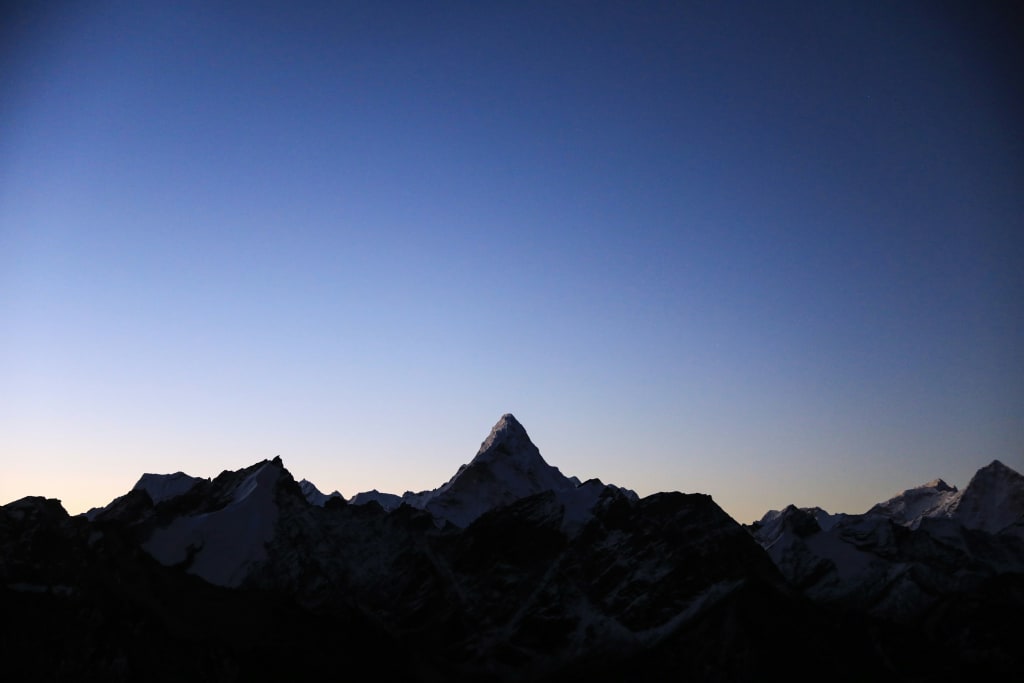
In Namche Bazaar, trekkers often take a rest day to acclimatize to the higher altitudes. It’s important to let the body adjust to the thinner air before continuing the climb. During this day, trekkers can explore the village, visit the Sherpa Museum, and enjoy incredible views of Mount Everest, Ama Dablam, and other peaks from the viewpoint above Namche Bazaar.
Climbing Higher: Heading to Tengboche and Dingboche
After Namche Bazaar, the trek continues to Tengboche, a small village famous for its monastery. The trek to Tengboche is a scenic walk through the forests and offers spectacular views of Everest and Ama Dablam. The village is home to the Tengboche Monastery, where trekkers can experience a peaceful atmosphere and witness the spiritual life of the Sherpa people.
From Tengboche, trekkers continue the journey to Dingboche, a small village located at a higher altitude. Along the way, the landscape changes, with fewer trees and more rugged terrain. In Dingboche, trekkers spend another day acclimatizing, enjoying the views of Makalu, Lhotse, and other towering peaks. The air at higher altitudes starts to feel thinner, so it's important to rest and stay hydrated.
The Final Push: From Dingboche to Gorak Shep
After Dingboche, the trek becomes more challenging as trekkers head toward Gorak Shep, the last stop before Everest Base Camp. The trail gets steeper and rougher, and trekkers pass through a landscape covered with glaciers and rocky paths. The altitude becomes more difficult to manage, and climbers need to take slow and steady steps.
Once at Gorak Shep, trekkers rest before the final push to Everest Base Camp. From Gorak Shep, it’s a tough hike up to the base camp, where trekkers finally reach their goal. Standing at 5,364 meters (17,598 feet) at Everest Base Camp is an unforgettable moment. The view of Everest, with its towering peak and surrounding snow-covered mountains, makes all the effort worth it. Trekkers often take pictures, celebrate the achievement, and reflect on the incredible journey they’ve completed.
The Descent: Heading Back to Lukla
After reaching Everest Base Camp, it’s time to return to Lukla. The descent is faster and easier, as trekkers make their way down the same trail they followed up. They pass through villages like Pangboche, Namche Bazaar, and Phakding, where they can rest, enjoy the views, and visit the locals once more.
While the trek down is easier, trekkers still need to be careful about their health, as they can still experience altitude sickness on the way back. After arriving in Lukla, trekkers take a flight back to Kathmandu, where they can rest and celebrate their successful trek.
Challenges and Preparation
The Everest Base Camp Trek is a challenging adventure that requires physical preparation, especially for the high altitudes and the long trekking days. The weather in the Himalayas can change quickly, so trekkers must be ready for cold, snow, and rain, depending on the season. It’s important to bring proper gear, including warm clothing, trekking boots, and a good sleeping bag.
One of the biggest challenges of the trek is the altitude. The higher trekkers go, the thinner the air gets, making it harder to breathe. This can lead to altitude sickness, so trekkers need to take it slow, stay hydrated, and listen to their bodies.
Best Time to Trek Everest Base Camp
The best times to do the Everest Base Camp Trek are during spring (March to May) and autumn (September to November). These seasons offer clear skies, stable weather, and the best mountain views. Winter is too cold, and the trail is often covered in snow, while summer brings the monsoon rains, which can make the trail slippery and muddy.
Conclusion: A Once-in-a-Lifetime Adventure
The Everest Base Camp Trek is more than just a hike; it’s an adventure that tests your strength, brings you face-to-face with nature’s beauty, and introduces you to the rich culture of the Sherpa people. The trek offers breathtaking views, unforgettable moments, and a deep sense of achievement when you reach the base of the world’s highest peak. For anyone who loves adventure and wants to challenge themselves, this trek is truly a once-in-a-lifetime experience.
About the Creator
Keep reading
More stories from Alice Jenkins and writers in Journal and other communities.
Annapurna Base Camp Trek
The Annapurna Base Camp Trek is one of the most popular trekking routes in Nepal which offer some of the best views of the stunning Himalayan range. It is also known for its beauty, diversity, and relatively moderate difficulty level, this trek is perfect for both beginner and experienced trekkers looking to experience the true essence of Nepal's mountainous terrain. The trek takes you to the base of Annapurna, one of the highest peaks in the world, and lets you explore the unique landscapes and cultures of the Annapurna region.
By Alice Jenkins11 months ago in Journal
Exploring Dubai on a Budget: Affordable Things to Do
Let's be real, Dubai has a reputation for being a playground for the wealthy. But scratch beneath the gold-plated surface, and you'll discover a city brimming with surprisingly affordable adventures. After living here for three years and chatting with locals who know where the real value lies, I've learned that experiencing Dubai's magic doesn't require an endless wallet.
By Silverstone Rent a Car5 days ago in Journal
📢 Raise Your Voice Thread: 01/22/2026
Our “Raise Your Voice Threads” are hosted most alternating Thursdays at 12PM ET to offer creators more avenues to uncover exceptional stories on Vocal. As we are continuously searching for fresh creators and inspiring stories, this thread provides an opportunity to exchange and discuss the stories that have moved and motivated us on Vocal.
By Raise Your Voice by Vocal5 days ago in Resources



Comments
There are no comments for this story
Be the first to respond and start the conversation.