
The Tyre Nichols Case
A Comprehensive Overview of Events, Verdicts, and Implications


The Tyre Nichols Case: A Comprehensive Overview of Events, Verdicts, and Implications
The tragic death of Tyre Nichols in January 2023 has become a pivotal moment in the ongoing discourse surrounding police reform and accountability in the United States. Nichols, a 29-year-old Black man, died three days after a brutal encounter with Memphis police officers during a traffic stop. This article delves into the details of the case, the recent verdicts, and the broader implications for law enforcement practices.
Background of the Incident
On January 7, 2023, Tyre Nichols was stopped by Memphis police officers for alleged reckless driving. The encounter escalated quickly when officers forcibly removed Nichols from his vehicle. Body camera footage revealed that Nichols posed no immediate threat to the officers; he was subjected to pepper spray and a Taser before fleeing on foot. The officers pursued him and subsequently assaulted him just steps away from his home, where he called out for his mother while being punched and kicked.
Nichols was left severely injured on the ground as officers stood around him, failing to provide immediate medical assistance. He succumbed to his injuries three days later, with an autopsy revealing that he died from severe head trauma and other injuries sustained during the beating. Nichols was a father to a seven-year-old boy, which added a heartbreaking layer to an already tragic situation.
The Legal Proceedings
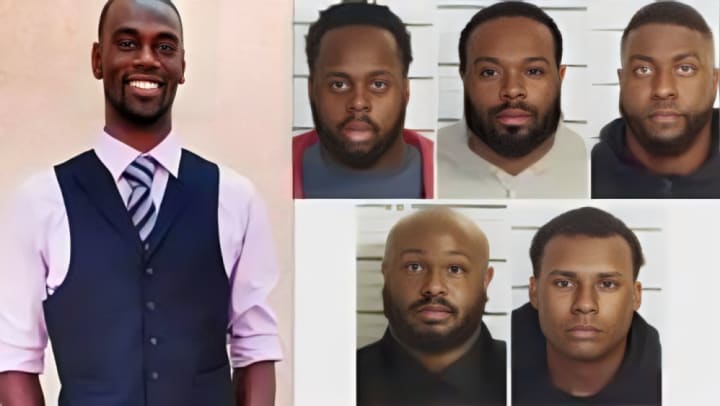
The fallout from Nichols' death led to widespread protests and calls for justice across the nation. Five officers involved in the incident were fired from the Memphis Police Department and faced state charges, including second-degree murder. Additionally, three of these officers—Demetrius Haley, Tadarrius Bean, and Justin Smith—were indicted on federal civil rights charges.
Federal Trial Overview
In September 2024, a federal trial commenced against Haley, Bean, and Smith. They were charged with violating Nichols' civil rights through excessive force and failing to intervene during the assault. The trial lasted nearly a month and included harrowing video evidence of the encounter.
During closing arguments, prosecutors argued that the officers intended to punish Nichols for fleeing—a practice referred to in police jargon as a "run tax." They emphasized that what transpired was not an altercation but rather an unprovoked beating. Defense attorneys contended that their clients acted within departmental guidelines and claimed that Nichols had ignored commands to comply.
Verdict Announcement
On October 3, 2024, the jury delivered a mixed verdict. Demetrius Haley was found guilty of two counts of deprivation of rights resulting in bodily injury and conspiracy but acquitted of most serious charges. Tadarrius Bean and Justin Smith were found guilty of obstruction of justice related to witness tampering but acquitted of civil rights violations.
The mixed outcome has sparked discussions about accountability within law enforcement agencies. While some justice was served with Haley's conviction, many advocates argue that more needs to be done to hold police accountable for excessive use of force.
Implications for Police Reform
The Tyre Nichols case has reignited conversations about police reform in America. It highlights systemic issues within law enforcement agencies, including:
- Use of Force Policies: The incident raises questions about how police departments define and enforce use-of-force policies. Advocates argue for clearer guidelines that prioritize de-escalation techniques over aggressive tactics.
- Accountability Mechanisms: The mixed verdicts in this case underscore the need for robust accountability mechanisms within police departments. There is a growing call for independent oversight bodies that can investigate incidents involving excessive force without bias.
- Training and Culture: Testimonies during the trial revealed a troubling culture within the Memphis Police Department's Scorpion Unit—a specialized unit focused on crime suppression. Officers admitted to rationalizing excessive force by exaggerating perceived threats. This culture must be addressed through comprehensive training programs that emphasize community engagement and respect for civil rights.
Community Response
The community's response to Nichols' death has been one of mourning but also resilience. Activists have organized vigils and protests demanding justice not only for Nichols but also for broader systemic changes in policing practices across the country. The case has become emblematic of ongoing struggles against racial injustice and police brutality.
National Protests
Following Nichols' death, protests erupted across various cities in the United States. Demonstrators called for accountability for law enforcement officers involved in excessive force incidents and advocated for legislative changes aimed at improving police practices.
Calls for Legislative Action
In response to public outcry, some lawmakers have introduced bills aimed at reforming policing practices at both state and federal levels. Proposed measures include banning chokeholds, implementing mandatory body cameras for all law enforcement personnel, and establishing national standards for use-of-force policies.
Conclusion
The Tyre Nichols case serves as a stark reminder of the urgent need for reform within law enforcement agencies across America. While some accountability has been achieved through recent verdicts, much work remains to ensure justice is served consistently and equitably.
As communities continue to advocate for change, it is crucial that policymakers listen and respond with meaningful reforms that prioritize public safety while respecting civil rights. The legacy of Tyre Nichols should not only be one of tragedy but also one that inspires lasting change in policing practices nationwide.
This case will undoubtedly influence future discussions on police reform as advocates push for systemic changes aimed at preventing similar tragedies from occurring again.
About the Creator
Jack Brel
At Vocal Media, I am excited to be a part of a platform that values creativity and original content. I am confident that my skills and experience will enable me to create impactful campaigns and bring value to the Vocal Media community
The Quiet Comeback of Men's Gold Jewellery
For years, men’s fashion leaned heavily toward minimalism. Clean lines, neutral tones, and understated accessories dominated wardrobes across the globe. Gold jewellery, once associated with bold statements or specific cultural aesthetics, seemed to fade into the background. But recently, something has shifted. Men’s gold jewellery is making a quiet yet confident comeback.
By Md Mehedi Hasan Rifadabout 10 hours ago in Journal
Flower Bloom 369
FLOWER Bloom 2/25/26 Wednesday By Mariann Carroll Karen had been with Tony for 7 years. Tony started acting strangely after her surgery. He would mow the lawn in the rain and be on his cellphone. He started pushing Karen away. Tony came clean about seeing someone. Karen moved out two months later. Karen moved in with a friend. She felt betrayed.
By Mariann Carroll6 days ago in Fiction


Comments
There are no comments for this story
Be the first to respond and start the conversation.