
The TikTok Ban: Examining Its Impacts, Controversies, and Global Implications
Unpacking the TikTok Ban: The Controversies, Impacts, and What It Means for the Future of Social Media

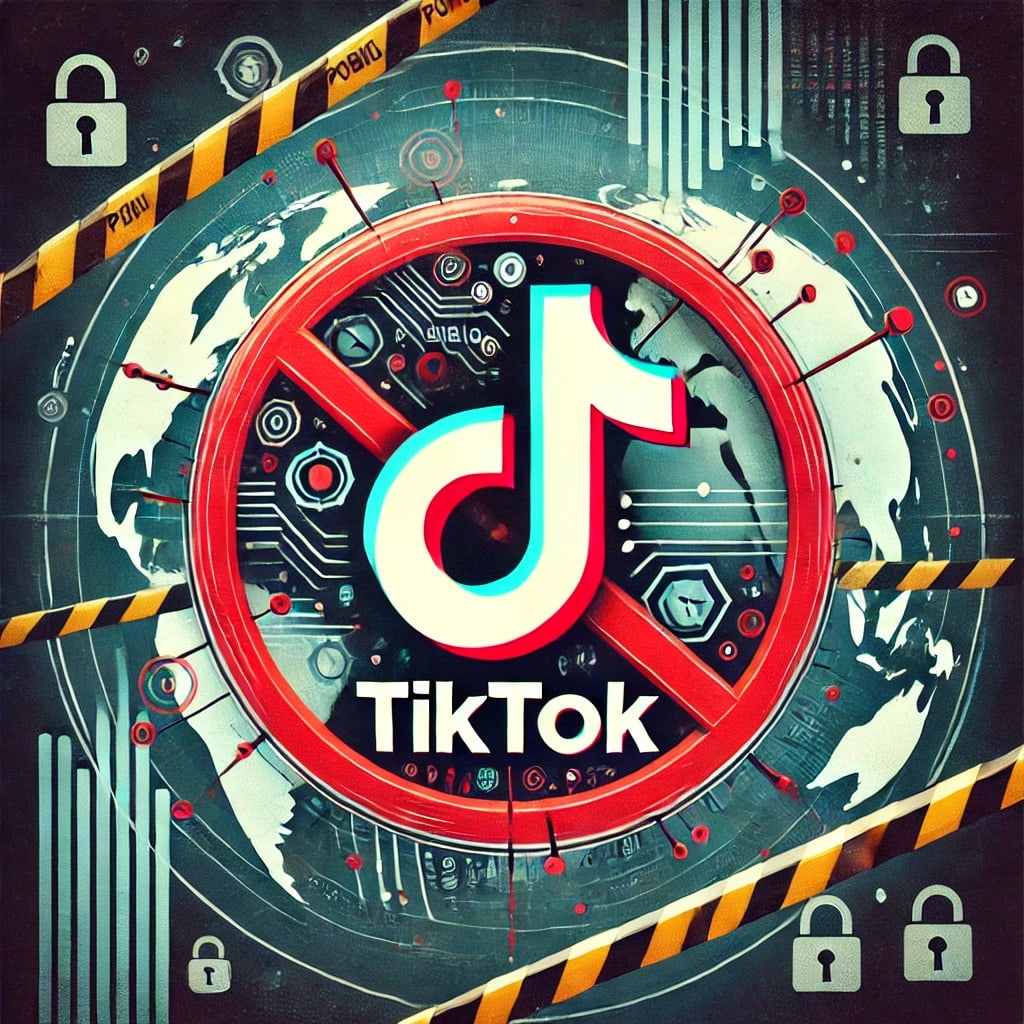
Introduction
TikTok, the viral video-sharing app that has captured the attention of millions worldwide, has faced bans and regulatory scrutiny in several countries. With its short-form videos and algorithm-driven feed, TikTok has become a cultural phenomenon, influencing entertainment, marketing, and even political discourse.
However, concerns over data privacy, national security, and the app's connection to the Chinese company ByteDance have led to government actions restricting its use. This article delves into the reasons behind TikTok bans, their consequences for users and creators, and the broader implications for freedom of expression, global tech competition, and digital privacy.
A Brief Overview of TikTok
TikTok was launched internationally in 2018 by ByteDance, a Chinese technology company. The app allows users to create and share short videos, often set to music, and has become a hub for trends, challenges, and creative content. As of 2023, TikTok boasts over 1 billion active users, making it one of the most popular social media platforms globally.
Why TikTok Faces Bans
Several factors contribute to the bans and restrictions TikTok has faced, particularly in countries like India and the United States.
1. Data Privacy Concerns
Governments have raised concerns about TikTok collecting and storing user data. Critics argue that the Chinese government could potentially access this data under national security laws, posing risks to user privacy.
2. National Security Risks
In countries like the U.S., TikTok has been accused of being a national security threat. Lawmakers worry that sensitive information could be accessed or manipulated by foreign entities, influencing public opinion or compromising security.
3. Content Moderation Issues
TikTok has faced criticism for failing to adequately moderate harmful content, including misinformation, hate speech, and inappropriate material. These failures have prompted governments to scrutinize the platform more closely.
4. Geopolitical Tensions
The app has become a flashpoint in broader geopolitical conflicts, particularly between the U.S. and China. TikTok bans are often seen as part of a larger effort to limit China’s influence in global technology.
Notable TikTok Bans
1. India
In June 2020, India banned TikTok along with 58 other Chinese apps, citing national security concerns. The ban followed a border clash between Indian and Chinese troops. With over 200 million users in India, TikTok’s absence left a void in the social media landscape.
2. United States
TikTok’s fate in the U.S. has been tumultuous. Under the Trump administration, efforts were made to ban the app unless it was sold to a U.S.-based company. The Biden administration has since taken a more measured approach but continues to scrutinize TikTok's data practices.
3. Other Countries
Countries like Pakistan and Indonesia have temporarily banned TikTok, often citing concerns over inappropriate content or failure to adhere to local laws.
Impacts of TikTok Bans
1. On Users and Creators
TikTok bans disrupt the livelihoods of creators who rely on the platform for income and influence. In India, many creators had to pivot to other platforms like Instagram and YouTube, but the transition was not seamless.
2. On Businesses and Advertisers
For businesses, TikTok is a powerful marketing tool. Bans limit access to an engaged audience, forcing companies to rethink their digital strategies.
3. On the Tech Industry
Banning TikTok underscores the growing trend of "digital protectionism," where countries prioritize local tech companies over foreign ones. This could lead to a fragmented internet landscape, often referred to as the "splinternet."
Arguments For and Against TikTok Bans
Arguments For:
Protecting National Security: Governments argue that banning TikTok mitigates risks related to foreign surveillance.
Regulating Harmful Content: Critics believe bans can push TikTok to improve its content moderation policies.
Promoting Local Tech: Banning TikTok opens opportunities for local tech companies to grow.
Arguments Against:
Freedom of Expression: TikTok bans are seen by some as an infringement on free speech and creativity.
Impact on Livelihoods: Many creators depend on TikTok for income, and bans can disrupt their careers.
Limited Effectiveness: Critics argue that banning one app doesn’t address broader data privacy concerns.
TikTok's Response
TikTok has repeatedly denied allegations of data misuse or connections to the Chinese government. The company has taken steps to address concerns, including:
Establishing data centers outside China to store user information.
Appointing local leadership teams in key markets.
Introducing transparency reports to address concerns about content moderation and data handling.
Broader Implications
The TikTok ban debate raises important questions about the future of the internet and global technology.
1. The Rise of Data Sovereignty
Countries are increasingly seeking to control how data is collected and stored within their borders. This trend could lead to stricter regulations for all tech companies, not just TikTok.
2. Tech Competition Between East and West
TikTok’s success highlights China’s growing influence in the global tech industry. Bans and restrictions on Chinese apps may intensify competition between Eastern and Western tech giants.
3. The Future of Social Media
The scrutiny TikTok faces may serve as a wake-up call for all social media platforms to prioritize transparency, user privacy, and ethical practices.
The Role of Public Opinion
TikTok bans often spark heated debates among users, with some supporting government actions and others criticizing them as overreach. The platform’s popularity, particularly among younger generations, makes these decisions highly polarizing.
Alternatives to TikTok
In regions where TikTok is banned, users and creators have turned to alternatives like Instagram Reels, YouTube Shorts, and local apps. These platforms have tried to replicate TikTok’s format but face challenges in matching its unique algorithm and user engagement.
Conclusion
The TikTok ban controversy is a microcosm of larger issues surrounding technology, privacy, and geopolitics. While concerns over data security and national interests are valid, bans also raise questions about freedom of expression and the future of a globalized internet.
As governments, businesses, and users navigate these complexities, the TikTok debate serves as a reminder of the power and responsibility that come with digital innovation. The outcome will shape not only TikTok’s fate but also the broader landscape of global technology and social media.
About the Creator
Keep reading
More stories from Razia Aman and writers in Journal and other communities.
The Hollywood Hills Fire: A Scorching Reminder of California's Wildfire Crisis
Introduction The Hollywood Hills, an iconic area synonymous with glamour, fame, and breathtaking landscapes, has also been a recurring site of one of California’s most persistent challenges: wildfires. Fires in the Hollywood Hills are not just environmental events—they carry social, economic, and cultural implications that resonate far beyond the region.
By Razia Amanabout a year ago in Journal
Aesthetic Smoking: The Allure of Cigarettes in Fashion and Photography
Key Takeaways: Cigarettes persist in fashion imagery because they function as visual symbols rather than endorsements of behavior. Designers and photographers continue to use smoking to communicate rebellion and sophistication in visual media. Historical advertising and nostalgia explain why cigarette aesthetics continually resurface.
By Jamie Rooney6 days ago in Journal
Could Iranian Drones Really Reach California?
Recent warnings from U.S. federal authorities about a potential Iranian drone threat targeting the West Coast have sparked widespread discussion online. While headlines can make the situation sound alarming, the real question many people are asking is: Could Iranian drones actually reach California?
By Navigating the Worldabout 23 hours ago in Journal
Worth the Wait: Puerto Viejo, Costa Rica
Beach bumming in a small Caribbean beach town sounded like a perfect way to end our 6-month trip through Mexico and Central America. Or so we thought. The foul, fishy stench of rotten seaweed hit our nostrils as we stepped from the cramped bus and looked out at a rather depressing, empty, and underwhelming black sand beach. It was pouring with rain, and we had to quickly fish out our ponchos. We thought, this couldn’t be it, could it?
By Sh*t Happens - Lost Girl Travel6 days ago in Wander




Comments
There are no comments for this story
Be the first to respond and start the conversation.