
🔄 The Supply Chain Shock: Samsung Steps In as Apple Drops China’s BOE From iPhone 17 Pro Display Supply
Analyzing the technical fault line: Why BOE failed to meet Apple's rigorous LTPO OLED standards and what this shift means for Samsung's undisputed display market dominance.

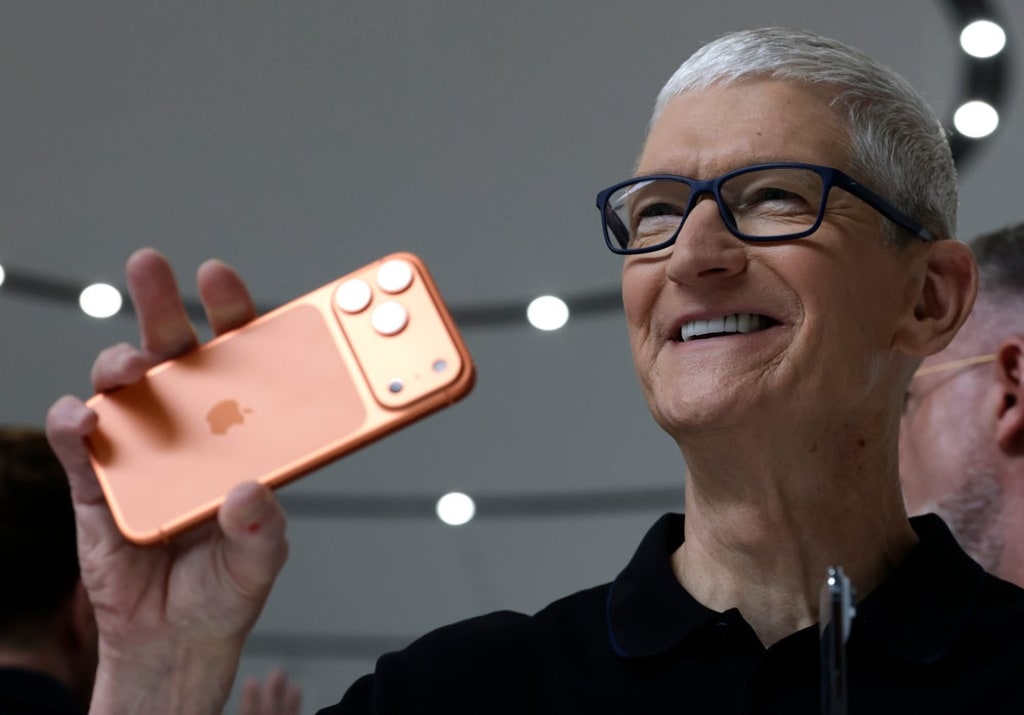
Apple's supply chain operates as a hyper-efficient, high-stakes meritocracy where quality and yield rates are non-negotiable. The latest reports confirm a massive shift: Apple has canceled a significant portion of its planned OLED panel allocation for the high-end iPhone 17 Pro models from China’s BOE Technology, immediately redirecting the orders—estimated to be up to 10 million units—to its chief rival, Samsung Display.
This abrupt decision, driven by BOE's failure to resolve critical reliability and performance issues before the mass production deadline, reinforces Samsung's technical dominance in the display market and highlights the immense difficulty faced by competitors attempting to break into Apple's most demanding product tiers. It is a strategic setback for Apple's long-term goal of supply chain diversification.
The Failure Point: The LTPO Chasm
The core of the issue lies in Apple's push to integrate LTPO (Low-Temperature Polycrystalline Oxide) OLED panels across its high-end lineup. LTPO technology is essential for enabling dynamic refresh rates (ProMotion, up to 120Hz) and the Always-On Display feature while conserving battery life—features critical to the Pro branding.
Technical Complexity: Manufacturing reliable LTPO panels at scale is notoriously difficult, requiring extremely advanced fabrication processes. BOE, despite its aggressive expansion and success in supplying standard OLED panels for older or non-Pro iPhone models, lacks the deep, long-standing experience in high-volume, high-yield LTPO production that Apple demands.
Reliability Issues: Reports from Korean industry sources indicate that BOE struggled specifically with product reliability, yield, and overall performance, which often manifests as uniformity problems or display irregularities. These issues were not resolved by the crucial deadline in mid-November. For Apple, failure to meet the LTPO performance requirements for its flagship line is an immediate, catastrophic dealbreaker that cannot be risked.
The Cost of Delay: Apple operates on tight, non-negotiable production schedules. A supplier failing to meet critical yield targets forces a rapid, large-scale reallocation of orders to ensure production timelines are met, regardless of the geopolitical implications of consolidating power with a competitor like Samsung.
Samsung’s Unmatched Dominance Solidifies
The immediate and primary beneficiary of BOE’s misstep is, predictably, Samsung Display. Samsung is the long-established global leader in OLED technology and possesses the highest yield rates and most mature manufacturing processes for LTPO panels.
Absorbing Demand: Samsung’s ability to quickly absorb an additional 10 million panel orders demonstrates its unparalleled scale and technical readiness. Originally contracted to supply around 80 million OLED panels for the iPhone 17 lineup, Samsung is now projected to supply approximately 90 million units. This rapid absorption of volume further solidifies Samsung’s financial strength and reinforces its position as Apple’s most trusted, mission-critical supplier.
Technical Validation: This event serves as a powerful validation of Samsung’s engineering leadership. While competitors can often match specifications on paper, they consistently struggle with the consistency and high-volume yield required by Apple, especially for complex technologies like LTPO that Samsung helped pioneer.
The Patent Context: This technical failure comes after Samsung recently secured a favorable ruling in a patent dispute with BOE regarding OLED technology, ensuring Samsung receives royalties for the use of its intellectual property. The combination of losing a major order and facing royalty payments significantly limits BOE's ability to compete aggressively in the near term.
Strategic and Geopolitical Fallout
Apple has a stated strategy of diversifying its supply chain to reduce reliance on any single supplier or region. This latest setback is a clear challenge to that goal.
Diversification Hindered: Apple relies on BOE to exert crucial pricing pressure on Samsung and LG Display and to geographically diversify its production footprint, particularly amidst rising U.S.-China trade tensions. The failure highlights that, while supply diversity is a goal, uncompromising quality and technical reliability remain the paramount factors, even if it means consolidating power with a key competitor.
The Bar Rises: This incident serves as a stark warning to all aspiring display suppliers. The complexity of modern LTPO displays has created a technical chasm that only a few manufacturers, primarily Samsung and LG Display, can reliably bridge at Apple’s demanding scale. The path to becoming a primary Apple supplier for Pro models is now demonstrably harder.
The Korean Consolidation: This volume shift further cements the dominance of Korean manufacturers (Samsung and LG Display) in the high-end OLED space, delaying China’s ambition to lead the next generation of mobile display technology.
Conclusion: Quality Trumps Cost
The loss of the iPhone 17 Pro display orders is a heavy blow to BOE's ambitions and a major win for Samsung Display. The episode underscores the brutal reality of Apple’s procurement standards: while Apple will seek out lower-cost alternatives to maintain pressure on its primary suppliers, it will immediately revert to the most reliable partner when core product quality—especially for a premium device like the iPhone 17 Pro—is at risk.
For consumers, this means the iPhone 17 Pro will continue to feature the best display technology available today, courtesy of Samsung’s undisputed engineering lead. For the industry, it confirms that in the race for high-end LTPO OLEDs, the Korean display giants still hold the key to the most lucrative and demanding contracts.
About the Creator
Author’s Advice
If you would’ve asked me 20 years ago did I know I’d become a writer and an author, I would’ve said “nope, ain’t happening”. As fate would have it I did become an author and I can honestly say I’m loving it so far. It really does feel good to be a writer. I’ve learned a lot on this journey and I feel like with even me being as new to this world as I am, there’s some wisdom I need to share with every other aspiring author.
By Joe Patterson5 days ago in Journal
Why reputation management and marketing are vital for profitable rehab center operations
Introduction to Reputation Management and Marketing in Rehab Center Operations Addiction treatment facilities operate within a sensitive and highly scrutinized healthcare environment. Trust, credibility, and visibility directly influence whether individuals and families choose a particular rehabilitation center. In this context, reputation management and marketing function not merely as promotional activities but as structural components of sustainable business performance. A well-managed reputation builds public confidence, while strategic marketing ensures that those seeking recovery services can locate trustworthy providers. When combined effectively, these disciplines generate patient inflow, strengthen stakeholder relationships, and ultimately sustain profitable operations. Understanding their significance requires examining how they shape public perception, operational stability, and long-term growth.
By Fida Hassain5 days ago in Journal
Hottest in the Office
Dear Rafi, You’re very distracting to work around. For the first second I saw you the other day, I thought you were some type of executive. It took a moment to realize no, you were just the new guy, dressed up for the job he wants. Be still, my heart.
By Gabriel Shames6 days ago in Pride




Comments
There are no comments for this story
Be the first to respond and start the conversation.