
The Struggle for Women's Equality
Understanding the Historical and Ongoing Struggle for Women's Rights and Equality in Various Areas of Life.
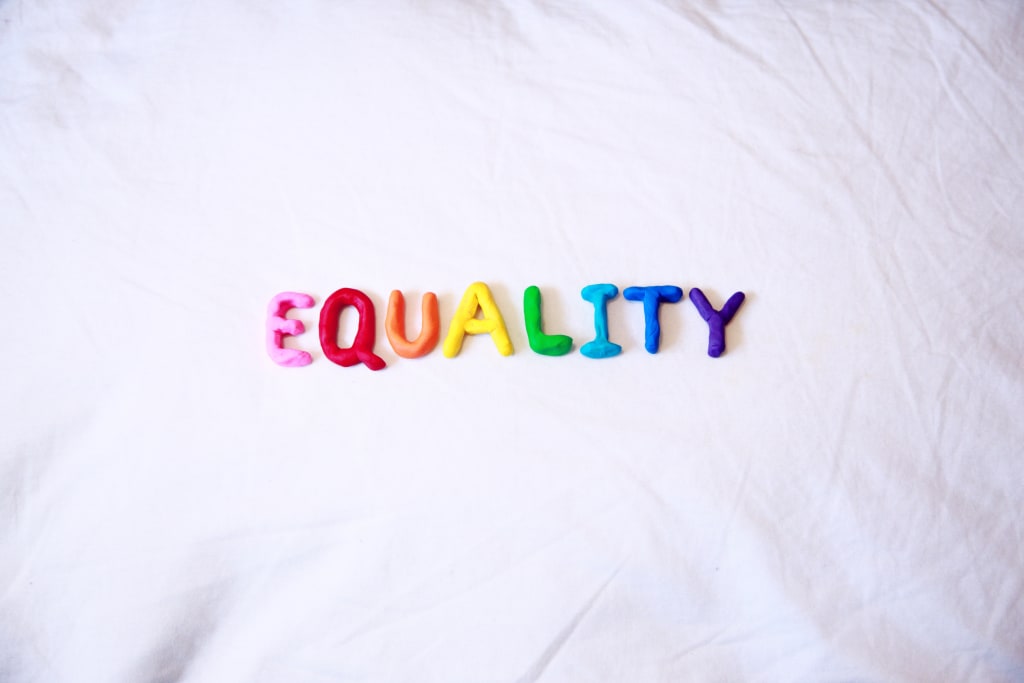
For centuries, women have been fighting for their rights and equality in various areas of life. The struggle for women's equality has been a long and ongoing one, characterized by both victories and setbacks. In this article, we will explore the historical and current struggles women have faced in their fight for equality.
Historical Struggle for Women's Equality
The fight for women's equality dates back to the 19th century when women began to demand their right to vote. In 1848, a group of women's rights activists led by Elizabeth Cady Stanton and Lucretia Mott organized the Seneca Falls Convention, which marked the beginning of the women's suffrage movement. The suffrage movement gained momentum over the years, and in 1920, the 19th Amendment to the United States Constitution was ratified, granting women the right to vote.
However, the struggle for women's equality did not end there. Women continued to face discrimination in various areas of life, including education, employment, and political representation. It wasn't until the 1960s and 1970s that the second wave of feminism emerged, advocating for equal pay, reproductive rights, and an end to gender-based violence. The Civil Rights Act of 1964, which prohibited discrimination based on sex in employment and education, was a significant victory for women's rights during this time.
Current Struggle for Women's Equality
Today, women continue to face discrimination and barriers to equality in various areas of life. One of the most significant issues women face is the gender pay gap, which refers to the disparity in earnings between men and women. According to the National Women's Law Center, women earn just 82 cents for every dollar earned by men, and this gap is even wider for women of color. This gap not only affects women's earning potential but also impacts their ability to save for retirement and provide for their families.
Another ongoing struggle for women's equality is the fight for reproductive rights. Despite the landmark Supreme Court case Roe v. Wade in 1973, which legalized abortion nationwide, women's reproductive rights continue to be under attack. Many states have passed restrictive abortion laws, making it more difficult for women to access safe and legal abortion services. Women's access to contraception and comprehensive sex education is also a critical issue in the fight for reproductive rights.
Women's representation in leadership positions is another area where progress is still needed. Women are vastly underrepresented in political leadership positions, with only 25% of seats in the United States Congress held by women. Similarly, women are underrepresented in corporate leadership positions, with only 7.4% of Fortune 500 companies being led by women.
Violence against women is another significant issue in the struggle for women's equality. According to the World Health Organization, one in three women worldwide has experienced physical or sexual violence in their lifetime. Domestic violence and sexual assault are prevalent issues, and women of color, LGBTQ+ women, and women with disabilities are particularly vulnerable to violence.
Intersectionality and the Struggle for Women's Equality
It is essential to recognize that women's experiences of discrimination and inequality are not uniform. Women face different barriers and challenges based on their race, ethnicity, sexual orientation, gender identity, and other identities. Intersectionality is a framework that acknowledges the interconnected nature of different forms of oppression and how they interact to create unique experiences of discrimination.
For example, women of color face both gender-based discrimination and racism, which can lead to compounding effects. Black women, for instance, are more likely to experience the gender pay gap and to face higher rates of maternal mortality than white women. Similarly, LGBTQ+ women face discrimination based on both their gender and sexual orientation, making them more vulnerable to violence and discrimination.
The struggle for women's equality must recognize and address
About the Creator
Keep reading
More stories from KARTHIK PALAGIRI and writers in Journal and other communities.
Social Justice
Introduction Social justice is a concept that has been widely discussed and debated over the years. It is the idea that all individuals should have equal access to basic human rights and be treated fairly and with respect. It aims to eliminate discrimination, inequality, and injustice in society and promote a fair and just society for all. In this article, we will provide a detailed analysis of social justice, including its definition, history, and different types, as well as explore the ways it can be promoted and achieved.
By KARTHIK PALAGIRI3 years ago in Journal




Comments
There are no comments for this story
Be the first to respond and start the conversation.