
The stomach is also a “second brain”: its impact on anxiety and depression has been discovered
According to a study by Aarhus University in Denmark, the discovery could open new avenues for the diagnosis and treatment of emotional disorders, by considering the interaction between the body's internal rhythms and mental health

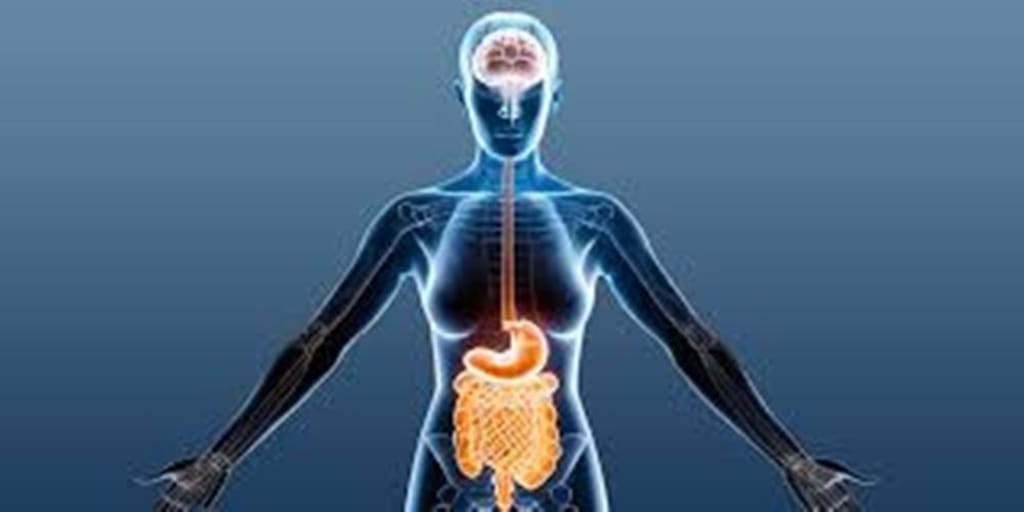
The gut-brain axis is an association that is increasingly attracting scientific attention because evidence is demonstrating the deep interconnection between nutrition, intestinal function, and the cognitive system.
A recent study added a new discovery: greater synchronization between the brain and stomach is associated with elevated levels of anxiety, depression, and stress, according to the largest report to date on the relationship between these two organs.
Researchers at Aarhus University in Denmark identified that people whose brain activity is more closely coordinated with the natural rhythm of the stomach tend to experience greater mental distress, a finding that provides new insights into the field of mental health.
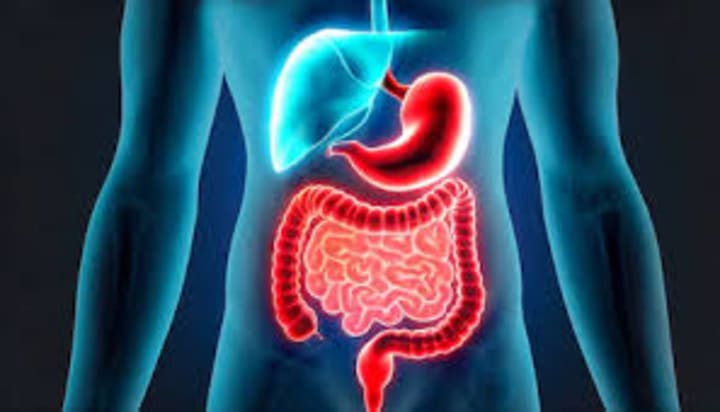
The study, published in the journal Nature Mental Health, analyzed more than 240 participants to explore how brain activity aligns with the stomach's slow electrical waves.
The results showed that those with a greater overlap between the two systems reported higher levels of psychological distress. Lead author Leah Banellis, a postdoctoral researcher in the Department of Clinical Medicine, explained that "the stomach's connection to the brain may be too strong in people under psychological stress."
Nervous System and Stomach Rhythms
The stomach, in this way, also acts as a "second brain," as it has its own nervous system, the enteric nervous system.
This system generates slow waves approximately every 20 seconds, even in the absence of food, maintaining a constant rhythm similar to the heartbeat.

Despite its complexity and independence within the peripheral nervous system, the stomach's role in mental health has received little attention compared to the lower gut and microbiome, which have been the primary focus of most previous research.
To measure the synchronization between the brain and stomach, the Aarhus University team used a combination of functional magnetic resonance imaging (fMRI) and electrogastrography (EGG).
This methodology allowed them to observe how closely each participant's brain activity matched the stomach's waves. Although stronger body-brain communication is often assumed to be a sign of good health, Professor Micah Allen, co-author of the study, noted that "an unusually strong stomach-brain connection appears to be related to greater psychological burden, perhaps a system under stress."
Banellis emphasized that, despite the direct communication between the stomach and brain via the vagus nerve, research on the stomach's impact on emotional well-being has been limited. “Our results suggest that stomach rhythms are also closely linked to emotional well-being,” the researcher stated.
Consequences for mental health

The study is correlational in nature, meaning it does not prove that stomach activity causes mental illness, but rather identifies an association between the two phenomena. The authors believe this pattern could become a new, objective, and measurable physiological marker of mental health based on body rhythms.
If in the future it is confirmed that the synchronization between the stomach and brain is a stable characteristic of mental health, new opportunities could arise for the diagnosis and treatment of psychological disorders.
Allen emphasized that "we know that certain medications and even the foods we eat can influence gastric rhythms," and raised the possibility that these findings may one day allow treatments to be tailored to the interaction between the body and brain of each patient, beyond the symptoms the individual describes.
The research team plans to conduct follow-up studies with clinical populations to determine whether the coupling between the stomach and brain can predict response to treatments or anticipate mental health crises.
This breakthrough represents a first step toward understanding how the body's internal rhythms can influence mental life, and opens the door to new ways of approaching emotional well-being from the perspective of the connection between the digestive system and the brain.
About the Creator
Omar Rastelli
I'm Argentine, from the northern province of Buenos Aires. I love books, computers, travel, and the friendship of the peoples of the world. I reside in "The Land of Enchantment" New Mexico, USA...
Keep reading
More stories from Omar Rastelli and writers in Journal and other communities.
Companies accelerate adoption of AI agents for digital defense
The proliferation of artificial intelligence agents in the corporate environment is no longer a futuristic hypothesis, but a tangible reality that is transforming companies digital defenses. A May 2025 Gartner study of 147 CIOs and CTOs revealed that 24% of companies had already implemented some AI agents, with more than half of these systems operating in internal areas such as technology, human resources, and accounting, compared to only 23% in external customer-facing functions.
By Omar Rastelli7 months ago in Journal
Author’s Advice
If you would’ve asked me 20 years ago did I know I’d become a writer and an author, I would’ve said “nope, ain’t happening”. As fate would have it I did become an author and I can honestly say I’m loving it so far. It really does feel good to be a writer. I’ve learned a lot on this journey and I feel like with even me being as new to this world as I am, there’s some wisdom I need to share with every other aspiring author.
By Joe Patterson2 days ago in Journal
The Hyaluronic Acid Market Is Quietly Changing the Way We Think About Skincare
There is a moment most of us know well. Standing in the skincare aisle, bottle in hand, squinting at the ingredient list. Somewhere near the top, almost always, you will find it: hyaluronic acid.
By Harvey Specterabout 20 hours ago in Journal




Comments
There are no comments for this story
Be the first to respond and start the conversation.