
The Silent Threat: How Overgrown Nails Are Slowly Torturing Your Beloved Pet
(And You Don’t Even Know It)

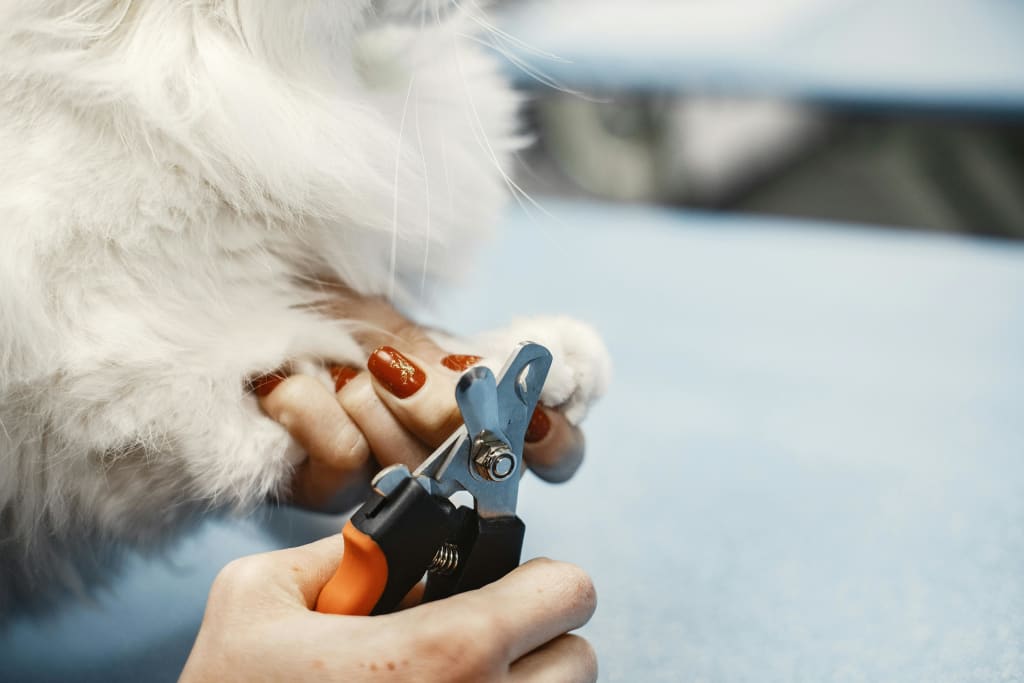
Every pet owner wants the best for their furry companions, yet one of the most overlooked aspects of pet grooming and animal health care is proper nail maintenance. While it might seem like a minor cosmetic issue, overgrown pet nails can lead to serious health complications that affect your pet’s quality of life, mobility, and overall well-being.
Long pet nails are more than just an aesthetic concern — they’re a ticking time bomb that can cause irreversible damage to your pet’s paws, joints, and posture. Whether you’re caring for cats or dogs, understanding the critical importance of pet nail trimming could save your beloved companion from unnecessary pain and suffering.
The Anatomy of Pet Nails: Understanding the Foundation
Dog Nail Structure
Dog nails consist of several key components:
Quick: The pink, vascular tissue containing blood vessels and nerves
Nail bed: The tissue underneath the nail
Nail wall: The skin surrounding the nail
Dewclaw: The equivalent of a thumb, often removed in some breeds
Cat Nail Structure
Cat claws are retractable and have a unique anatomy:
Outer sheath: The visible curved claw
Quick: Contains blood supply and nerve endings
Digital pads: Provide grip and shock absorption
Retraction mechanism: Allows cats to extend and retract claws
The Hidden Dangers of Overgrown Pet Nails
1. Ingrown Nails and Paw Injuries
When pet nails grow too long, they can curve and grow into the paw pads, causing:
Severe pain and discomfort
Paw infections
Open wounds and bleeding
Difficulty walking normally
Lameness in affected limbs
2. Joint and Skeletal Problems
Long dog nails force pets to alter their natural gait, leading to:
Arthritis development
Joint deformity
Muscle strain and tension
Posture problems
Increased risk of orthopedic injuries
3. Torn and Broken Nails
Excessive nail length increases the risk of:
Nail splitting during normal activities
Torn nails that expose the sensitive quick
Bleeding and severe pain
Secondary infections at injury sites
4. Mobility Issues and Quality of Life
Pets with overgrown nails often experience:
Difficulty walking on smooth surfaces
Reduced activity levels
Behavioral changes due to discomfort
Scratching damage to furniture and family members
Specific Health Risks by Pet Type
Dog Nail Problems
Dogs are particularly susceptible to:
Nail bed infections (paronychia)
Pododermatitis (inflammation of paw skin)
Interdigital cysts between toes
Chronic pain affecting daily activities
Cat Claw Issues
Cats face unique challenges with overgrown claws:
Ingrown claws in senior cats
Scratching post avoidance due to discomfort
Furniture destruction from excessive scratching
Difficulty retracting claws properly
Warning Signs Your Pet Needs Immediate Nail Care
Physical Symptoms
Clicking sounds when walking on hard surfaces
Visible curving of nails toward paw pads
Limping or favoring certain paws
Excessive licking of paws
Swelling or redness around nail beds
Behavioral Changes
Reluctance to walk or exercise
Aggression when paws are touched
Changes in scratching behavior (cats)
Difficulty climbing stairs
Altered sleeping positions
Professional Treatment Options
Veterinary Nail Trimming
Professional vet nail trimming offers:
Safe trimming techniques
Quick identification and treatment of problems
Sedation options for anxious pets
Comprehensive paw health assessment
Professional Pet Grooming
Pet grooming services provide:
Regular maintenance schedules
Proper nail trimming tools
Experience with difficult pets
Additional paw care services
Medical Interventions
For severe cases, veterinarians may recommend:
Antibiotic treatment for infections
Pain management medications
Surgical correction of ingrown nails
Orthopedic consultation for joint issues
DIY Prevention and At-Home Care
Essential Pet Nail Trimming Tools
Pet nail clippers (guillotine or scissor-type)
Nail grinders for smooth finishing
Styptic powder for minor bleeding
Flashlight for better visibility
Treats for positive reinforcement
Safe Nail Trimming Techniques
For Dogs:
Start early with puppy nail trimming
Hold paws gently but firmly
Identify the quick before cutting
Trim small amounts frequently
Reward with treats and praise
For Cats:
Press gently on paw pads to extend claws
Cut only the sharp, white tips
Avoid the pink quick area
Work on one paw at a time
Provide scratching posts for natural wear
Nail Trimming Frequency Guidelines
Dogs: Every 2–4 weeks
Cats: Every 2–3 weeks
Senior pets: More frequent monitoring needed
Active outdoor pets: May need less frequent trimming
Preventive Strategies for Optimal Nail Health
Environmental Modifications
Multiple scratching posts for cats
Various surface textures for natural nail wear
Regular walks on concrete for dogs
Interactive toys to encourage natural behaviors
Diet and Supplements
Support nail health with:
High-quality protein for strong nail growth
Omega-3 fatty acids for healthy skin and nails
Biotin supplements (consult your veterinarian)
Adequate hydration for overall health
Regular Health Monitoring
Weekly paw inspections
Monthly nail length assessments
Immediate attention to any changes
Professional check-ups during routine vet visits
When to Seek Emergency Veterinary Care
Contact your veterinarian immediately if you notice:
Severe bleeding from nails
Signs of infection (pus, foul odor, excessive swelling)
Inability to walk normally
Extreme pain when touching paws
Nails growing into paw pads
The Economic Impact of Nail Neglect
Ignoring pet nail care can result in:
Emergency veterinary bills ($200-$1,500+)
Long-term orthopedic treatment costs
Medications for pain and infection
Property damage from scratching
Reduced pet lifespan and quality of life
Building a Nail Care Routine
Weekly Schedule
Monday: Quick visual inspection
Wednesday: Gentle paw handling practice
Friday: Nail length assessment
Sunday: Trimming session (if needed)
Monthly Deep Care
Professional grooming visit
Comprehensive paw health check
Nail trimming tool maintenance
Supply restocking
Advanced Nail Care Considerations
Breed-Specific Needs
Different breeds have varying nail care requirements:
Large breed dogs: More frequent trimming due to weight
Small breed dogs: Delicate handling required
Long-haired cats: Extra attention to hidden overgrowth
Senior pets: Increased monitoring for age-related changes
Special Medical Conditions
Pets with certain conditions need extra care:
Diabetes: Increased infection risk
Arthritis: Difficulty with natural nail wear
Immune system disorders: Slower healing
Obesity: Altered weight distribution affecting nails
Technology and Modern Solutions
Digital Nail Care Tools
LED nail clippers for better visibility
Quiet electric grinders for noise-sensitive pets
Smartphone apps for trimming reminders
Video tutorials for proper technique
Professional Services Evolution
Mobile grooming services
Specialized nail care clinics
Telemedicine consultations
Advanced treatment options
The Future of Pet Nail Health
Emerging trends in pet nail care include:
Laser therapy for nail bed healing
3D-printed custom tools
AI-powered health monitoring
Preventive care programs
Conclusion: Your Pet’s Health Is in Your Hands
Pet nail care isn’t just about grooming — it’s about preventing serious health complications that can affect your pet’s entire life. By understanding the risks of overgrown pet nails and implementing a consistent care routine, you can ensure your furry friend remains healthy, comfortable, and active.
Don’t let your pet suffer in silence. The simple act of regular nail trimming can prevent costly veterinary bills, painful injuries, and long-term health problems. Your pet depends on you for their well-being — make nail care a priority today.
Take Action Now — Your Pet’s Health Can’t Wait!
Ready to transform your pet’s nail health and prevent serious complications?
Don’t wait until it’s too late. Contact your local veterinarian or professional groomer to establish a comprehensive nail care plan. Your pet’s comfort, mobility, and long-term health depend on the actions you take today.
Remember: A few minutes of prevention today can save your pet from a lifetime of pain and suffering.
About the Creator
Sherif shams
Entrepreneur, content creator, and lifelong learner. I share insights on business, self-improvement, and the digital world to inspire and empower others. Always exploring new ideas and ways to grow. Let’s connect and build something
Keep reading
More stories from Sherif shams and writers in Journal and other communities.
The goals I did not achieve
Every writing goal I made for the year is a wash. It has been this way for a while, but I think it's important to be open about my failures and the reality of how life can get in the way. This is especially true considering the several times I have posted on Vocal about my writing goals, how I was changing my approach, and where I was hoping to be for the upcoming year. I will probably do that again in a couple months, but for now, it is time to acknowledge where I am today.
By Kay Husnick24 days ago in Journal



Comments
There are no comments for this story
Be the first to respond and start the conversation.