
The Science Behind Colon Cleansing: Does It Work?
Unveiling the Truth About Colon Cleansing: Myths, Facts, and Benefits

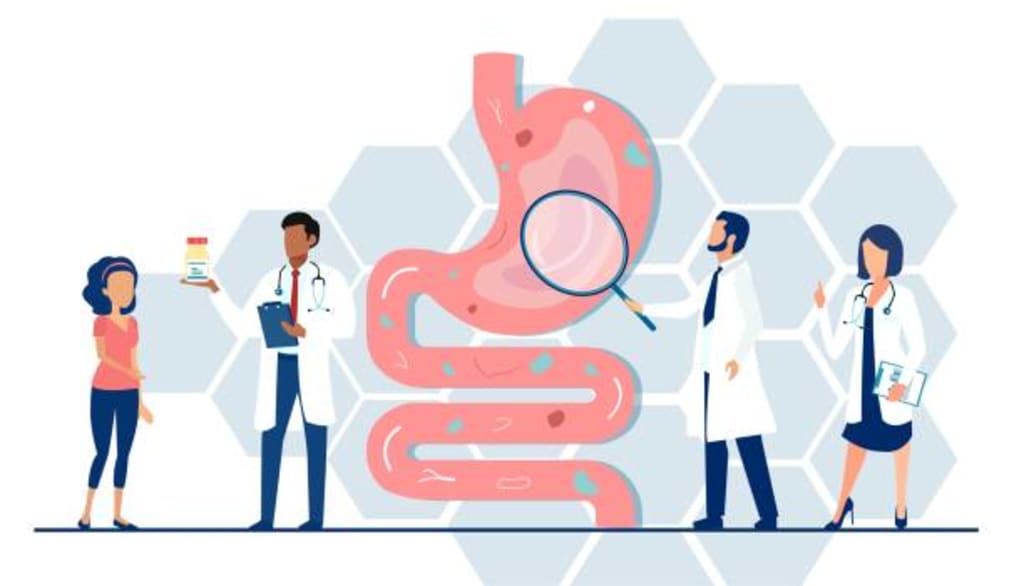
What is Colon Cleansing?
Colon cleansing refers to methods that aim to remove toxins and waste from the colon. It is often promoted as a way to improve digestion, reduce bloating, and support overall well-being.
Types of Colon Cleansing:
- Colon Hydrotherapy – Also known as colon cleansing hydrotherapy, this procedure involves flushing the colon with warm, filtered water to remove waste.
- Herbal and Fiber-Based Cleanses – Supplements containing herbs, fiber, or laxatives to promote bowel movements.
- Detox Teas and Laxatives – Some claim these products help cleanse the colon, but they often cause temporary water loss rather than actual detoxification.
Historically, colon cleansing has been used in ancient cultures, but modern science questions whether it’s necessary for health.
How Colon Cleansing Works
- Colon Hydrotherapy: The Process
- During a colon hydrotherapy session:
- A trained professional introduces purified water into the colon via a small tube.
- The water helps loosen and flush out waste and toxins.
- The process is repeated multiple times to remove accumulated debris.
How Other Colon Cleansing Methods Work
- Fiber-based cleanses help bulk up stool and encourage regular bowel movements.
- Herbal supplements may have laxative effects, stimulating bowel activity.
- Laxatives and detox teas promote elimination but do not necessarily remove toxins from the colon.
- While these methods can promote bowel movements, the body already has a natural detoxification system—the liver, kidneys, and intestines work together to eliminate waste efficiently.
Scientific Perspective: Does Colon Cleansing Really Work?
Studies Supporting Colon Cleansing
Some studies suggest that colon hydrotherapy benefits individuals suffering from:
- Constipation – Colon cleansing may provide relief for people with chronic constipation.Skin Health Ben
- Irritable Bowel Syndrome (IBS) – Some individuals report reduced bloating and discomfort.
- Gut Microbiota Balance – Removing waste may create a better environment for beneficial gut bacteria.
Scientific Skepticism
- While anecdotal evidence suggests benefits, many medical professionals argue that:
- The body naturally detoxifies itself, making external cleansing unnecessary.
- Overuse of colon cleansing hydrotherapy may disrupt gut bacteria and electrolyte balance.
- Some procedures carry risks, including dehydration and dependency on artificial cleansing.
Despite the debate, many individuals still seek colon hydrotherapy for its perceived digestive and detox benefits.
Potential Benefits of Colon Cleansing
While more research is needed, colon hydrotherapy benefits may include:
- Digestive Health Improvement – Helps prevent constipation and bloating.
- Gut Health Support – May help remove harmful bacteria and improve nutrient absorption.
- Increased Energy & Mental Clarity – Many report feeling lighter and more energized.
- Skin Health Benefits – Some individuals notice clearer skin after cleansing.

Risks and Considerations
Although colon cleansing hydrotherapy is generally safe when done by a trained professional, there are potential risks:
- Disrupting Gut Flora – Overuse may remove beneficial bacteria from the colon.
- Dehydration & Electrolyte Imbalance – Excessive cleansing can lead to water loss.
- Bowel Dependency – Frequent use may reduce natural bowel movement function.
Who Should Avoid Colon Cleansing?
- People with gastrointestinal conditions (Crohn’s disease, ulcerative colitis).
- Those with kidney or heart conditions.
- Pregnant women and individuals with a history of dehydration.
It’s always best to consult a healthcare provider before undergoing any form of colon cleansing.
The Verdict: Does It Really Work?
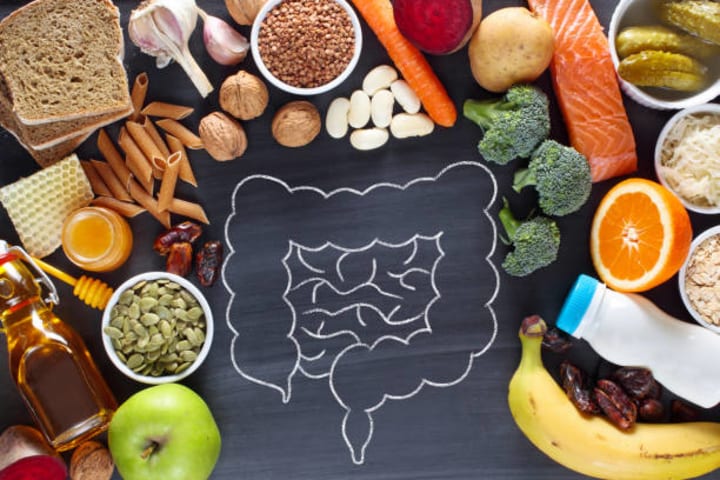
The scientific evidence supporting colon cleansing is minimal. While some people report feeling better after the procedure, the benefits are often short-lived and may not outweigh the potential risks. In most cases, maintaining a healthy diet rich in fiber, staying hydrated, and exercising regularly are more effective ways to support digestive health and overall well-being.
If you’re considering colon cleansing, it’s essential to consult a healthcare professional to ensure it’s safe for you. As with any health practice, it’s crucial to base your decisions on scientific evidence and individual health needs rather than trends or anecdotal claims.
About the Creator
Maria Dodds
Professional Content Writer
Keep reading
More stories from Maria Dodds and writers in Journal and other communities.
Design, Accessibility, Luxury: The Trifecta of Port Macquarie Bathroom Renovations
Transforming your bathroom from a mundane space into a luxurious retreat or a highly functional area is an exciting prospect for homeowners in Port Macquarie, Camden Haven, and surrounding areas. Whether you're looking to update your existing bathroom, create a designer space, or need accessibility modifications, professional bathroom renovation services in these New South Wales regions are equipped to turn your vision into reality.
By Maria Dodds2 years ago in Lifehack
~ Fired ~
— Ai Intrusion ~ Are you Next ~ Is Ai Evolution after your job? — Few workplaces haven't been affected. Ai is in supermarkets, at doctors' offices, and even monitoring farms. I just can't think of anything this machine is not getting into, can you? For instance: Education ~ Law and Tech jobs will one day have a major influence or be taken over by these inanimate machines, with accuracy and vigor. From mechanics' diagnoses to a wide variety of everyday jobs, including fast food workers, with this input having the ability to cut their unnecessary work hours. I'm certain all of us have been touched by this with our short stories and colorful headings, have you? Even comments are very questionable 'Non-Robot' insertions.
By Jay Kantor2 days ago in Journal


Comments
There are no comments for this story
Be the first to respond and start the conversation.