
The Role of Cultural Context in Effective Website Localization
Learn how cultural context in localization shapes user trust, engagement, and conversions while helping global websites feel natural, relevant, and effective

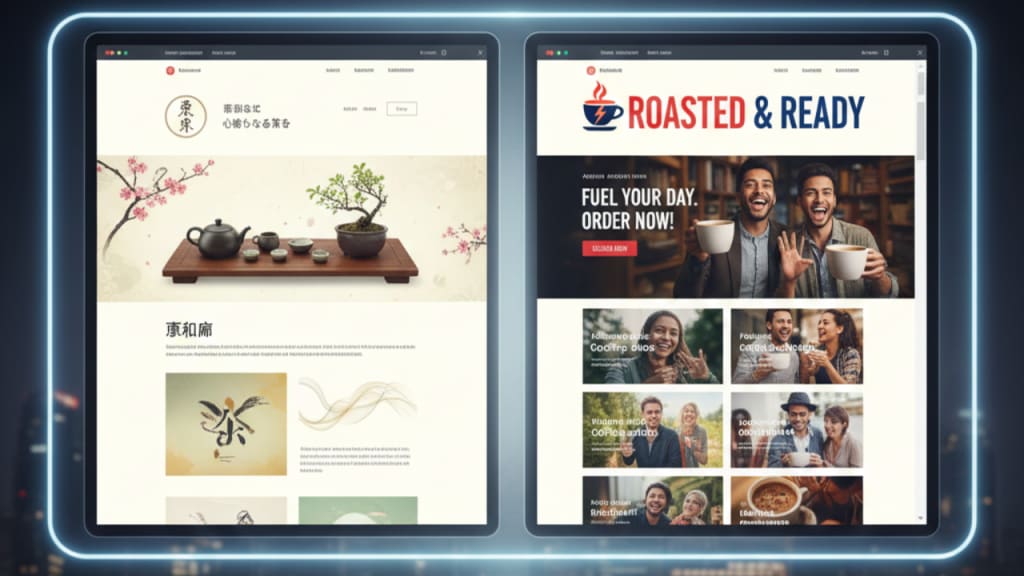
Imagine if you create a website that has all the correct design aspects, has the content accurately translated, and has an attractive look, yet your visitors from the new country visit your site only to bounce back out of it seconds later.
While the language barriers have been removed from this example, the cultural barrier is still preventing people from trusting your information; therefore, there is no incentive for them to complete any transactions or return in the future.
The lack of cultural context in localization creates a negative experience for potential customers by portraying your business as an international company rather than a local business partner.
Why culture makes or breaks localization?
When localizing a website, it is not just a simple translation of text. You have to consider how to connect your brand to your audience's way of thinking, choosing, and acting in their cultural environment. Studies on multilingual usability have shown that cultural differences greatly impact a user's ability to navigate, comprehend, and trust a web page based on geographic location. Cultural context in localization is crucial when creating an effective web page for any location.
Localization services are more than a technical process; it requires looking beyond language to determine the best way to engage customers within their culture. This means looking at things like color, imagery, tone, visual weight, and reading patterns through a local lens. Local professionals understand how these factors influence the user's ability to connect with your brand by creating an intuitive, localized experience.
- From translation to cultural resonance
Growing brands often face a pain point in thinking that if they have a good quality of translation through a good quality translation company, then they also have good localization. A word or phrase that appears to be harmless in one culture may cause confusion or offense in another culture; therefore, website translation and cultural accuracy are very important when companies are going to translate their website from one culture to another. They take into account each culture’s idioms, humor, symbols, and local taboos.
In order for a company to do true website translation and culture alignment, they must rewrite content so that they can preserve the intent and emotions of the original content, not just the words written in the original content.
Smart teams partner with a translation and localization services company that combines native speakers of the target language with cultural consultants and user experience specialists. The combination of expertise allows for the cultural context in localization information to be embedded throughout everything from the product name to error messages, to calls-to-action (CTAs), to help content, so it does not feel like something is "imported" or out of place to a local audience.
- Design choices shaped by culture
Design is often where cultural sensitivity in web design either shines or completely collapses. When designing a website or web application visually, it is important to understand how to visually communicate with the audience that the website is intended for.
For instance, as indicated by the findings of visual research, users tend to make strong impressions in less than 3 seconds based on the colours, images, and layouts used within the website or web application, and the market/region that the users are coming from greatly influences their impressions.
For example, users from cultures that have a strong preference for group identity will typically prefer images that represent a community or family, whereas users from cultures that are more individualistic will prefer images that represent an individual and their achievements.
Therefore, adapting websites for cultural differences does not simply involve changing out the country flag or currency; it also could include changing colours, selecting relevant local imagery, providing varying amounts of content on the website/web application page, and altering the navigation structure to fit within the user's expectations and reading habits.
Strategies that actually work
To move from theory to practice, teams need effective localization strategies that are systematic rather than ad hoc. A strong approach usually includes:
- Deep research into local user behavior, cultural values, and industry norms before redesigning a single screen
- Collaboration with native experts and localization services providers who understand both language and UX
- Continuous testing with real users in each target market, not just one time translations
This operationalizes cultural context in localization so it is measurable, testable, and repeatable. Over time, patterns emerge that inform your global design system and make every new market launch faster and safer.
- Designing for diverse audiences
Brands that succeed globally treat localization for diverse audiences as an ongoing product capability, not a one off project. They tune language, tone, and content structure to match what each culture considers polite, trustworthy, and persuasive, from formality levels to how directly benefits are stated.
At the same time, they practice cultural customization for websites with modular components that can be swapped per region, such as hero images, testimonials, or trust markers relevant to local regulations and social proof. This is where localization services teams become partners in experimentation, helping you refine cultural context in localization every quarter based on data and user feedback.
- Practical pillars for teams
If your team is scaling into new markets right now, these pillars help keep you grounded:
- Start with research on local expectations instead of assuming your home market UX will work everywhere
- Align content, visuals, and IA with cultural values, not just language
- Treat website translation and culture as a joint responsibility between marketing, product, and UX
- Partner with a translation and localization services company that can support audits, testing, and iteration, not just one off translations
Each of these steps protects your brand from cultural missteps and maximizes the business value of cultural sensitivity in web design by tying it directly to engagement, conversion, and retention metrics.
Summing up
In the end, global users do not remember you for the accuracy of your dictionary. They remember whether your product feels like it was built for them. That feeling only comes when cultural context in localization guides every decision, from microcopy and imagery to flows and features. With the right localization services partner and a mindset that treats culture as a core design input, your website evolves from “translated” to truly trusted in every market you enter.
About the Creator
Jessica Bennett
Jessica is an individual contributor for various leading publications. Writing about technology, design and the latest innovations is her primary knack. She also works for Unified Infotech, a technology service provider serving startups.
Keep reading
More stories from Jessica Bennett and writers in Journal and other communities.
From SaaS to “Agentic Applications”: What’s Next for Subscription Services?
SaaS used to feel cutting‑edge: no installs, monthly billing, everything in the cloud. In 2026, that’s just the baseline. The next wave is here. Instead of software that waits for you to click buttons, we’re moving to software that acts on its own toward your goals. That shift is quietly reshaping SaaS and Agentic applications in subscription services, pricing, customer expectations, and how teams run their ops.
By Jessica Bennett3 months ago in Journal
Author’s Advice
If you would’ve asked me 20 years ago did I know I’d become a writer and an author, I would’ve said “nope, ain’t happening”. As fate would have it I did become an author and I can honestly say I’m loving it so far. It really does feel good to be a writer. I’ve learned a lot on this journey and I feel like with even me being as new to this world as I am, there’s some wisdom I need to share with every other aspiring author.
By Joe Patterson3 days ago in Journal
How I Discovered the Real Value of Digital Marketing Services
A few years ago, when I first started learning about digital marketing services, I honestly thought it was just about running advertisements and posting on social media. Everywhere I looked online, people were talking about quick growth, viral content, and instant traffic.
By Anthony Rodgersa day ago in Journal




Comments