
The Role of AI in Modern Medical Devices: Opportunities and Risks
AI in Modern Medical Devices
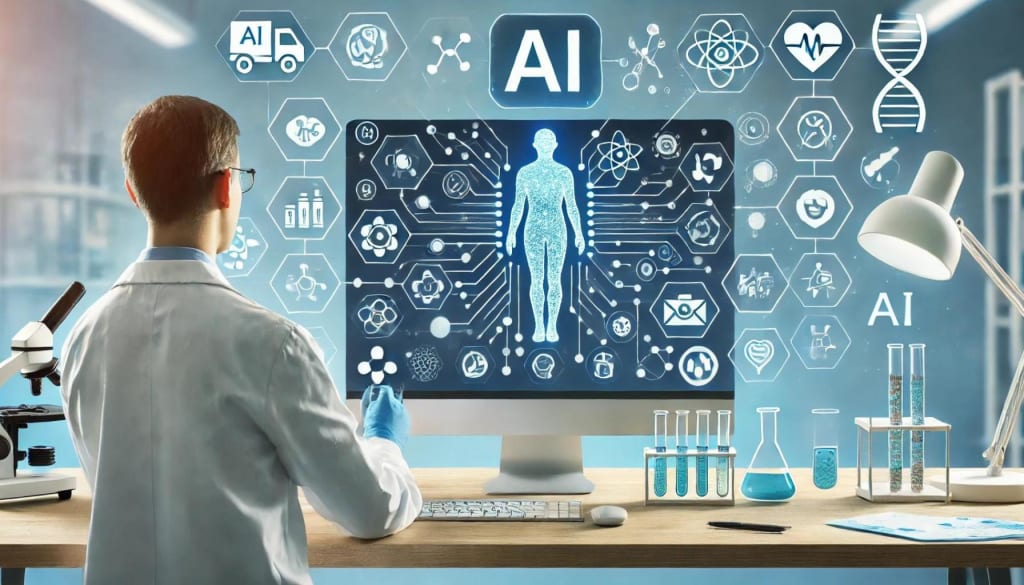
Artificial Intelligence (AI) has become a transformative force in healthcare, particularly in the development of intelligent medical devices. These devices, once limited to static functions, are now evolving into sophisticated tools capable of diagnostics, predictive care, and real-time decision support. As the demand for smarter healthcare solutions rises, AI is taking center stage in shaping how medical technologies are designed, built, and used.
However, with the promise of innovation also come challenges. Understanding both the opportunities and risks of integrating AI into medical devices is critical for anyone involved in healthcare technology, from innovators and strategists to implementation teams and service providers.
Opportunities of AI in Medical Devices
1. Enhanced Diagnostic Accuracy
AI algorithms can analyze medical images and health data faster and often more accurately than traditional methods. In diagnostic imaging, for example, AI-powered tools assist in identifying anomalies in CT scans, MRIs, and X-rays, potentially catching issues that human eyes might miss. This leads to earlier detection, more accurate diagnoses, and better clinical outcomes.
2. Predictive and Preventive Care
AI allows medical devices to move beyond reactive treatment and into the realm of prevention. Through continuous monitoring and predictive modeling, these systems can flag potential health risks before they become critical. Devices equipped with AI can detect subtle changes in vital signs and alert healthcare providers to take action early, especially in chronic disease management.
3. Personalized Treatment Plans
One of the most powerful applications of AI is its ability to personalize healthcare. Devices can adjust therapies in real time based on patient behavior, biometric data, and historical trends. For instance, smart infusion pumps and insulin delivery systems can tailor dosages to individual needs, improving both safety and treatment effectiveness.
4. Workflow Automation and Efficiency
AI is also improving the efficiency of healthcare delivery. Devices that automate documentation, streamline data entry, and assist in triage decisions can help reduce the administrative load on clinical teams. By handling repetitive tasks, these systems allow healthcare professionals to dedicate more time to patient care.
5. Continuous Learning and Innovation
AI-powered devices often become smarter over time. By processing data from multiple patients and clinical scenarios, these systems learn and adapt. This continuous improvement ensures that devices remain relevant and effective, reducing the need for frequent hardware updates or redesigns.
Risks and Challenges of AI Integration
While the benefits are substantial, integrating AI into medical devices introduces several important risks that require thoughtful planning and mitigation.
1. Regulatory and Compliance Complexity
Regulatory frameworks like the FDA and MDR are designed for systems that behave predictably. AI, especially machine learning models, can evolve after deployment, making it more challenging to validate, certify, and monitor. Developers must consider regulatory strategies early, focusing on explain ability, consistency, and traceability in their AI models.
2. Data Bias and Health Inequities
Bias in AI algorithms is a significant concern. If training data lacks diversity, the resulting device may produce inaccurate or unequal outcomes for certain populations. This can affect diagnosis and treatment across different demographic groups. Mitigating this risk involves using inclusive datasets and performing regular bias audits throughout the development process.
3. Security and Privacy Risks
AI-powered devices often rely on network connectivity and cloud platforms, which increases exposure to cybersecurity threats. Patient data, if not properly protected, can become a target for breaches. Ensuring end-to-end encryption, secure firmware, and continuous vulnerability monitoring is essential for maintaining trust and compliance with data protection regulations.
4. Lack of Explain ability
Some AI systems make decisions in ways that are difficult to interpret. In healthcare, this lack of explain ability can reduce trust among clinicians and users. Transparent AI models and tools that provide reasoning behind each decision are essential to promote safe adoption and integration into clinical practice.
5. Ethical and Legal Responsibility
When an AI-driven device makes a decision that leads to an error, determining responsibility can be complex. Questions around liability, consent, and accountability must be addressed during development. Establishing clear roles for human oversight and maintaining detailed documentation can help mitigate legal uncertainty.
The Path Forward
Successfully integrating AI into medical devices requires more than just cutting-edge technology. It demands a thoughtful approach that considers patient safety, regulatory expectations, and ethical use. Aligning AI development with real-world clinical needs, involving medical experts during design, and continuously monitoring device performance are all key steps toward responsible innovation.
Working with an experienced medical device development company can provide the necessary expertise to navigate the complexities of building AI-powered healthcare solutions that are both effective and compliant.
Conclusion
AI is redefining what medical devices can achieve. From advanced diagnostics to real-time personalization and predictive care, the potential is enormous. At the same time, the risks from regulatory challenges to ethical concerns cannot be ignored. Building successful AI-powered medical devices is about finding the right balance between innovation and responsibility.
With the right strategies and collaboration in place, AI will not only improve medical devices but also elevate the standard of care across the healthcare ecosystem.
About the Creator
Aditya Goswami
I'm technical writer with experience in IT industry. have a strong understanding of complex technical concepts and the ability to translate them into clear, concise, and easy-to-understand documentation or blogs.
Keep reading
More stories from Aditya Goswami and writers in Journal and other communities.
Why Organization Should Take A Serious Look At Flutter And What Makes It Attractive
Day by day web/Mobile applications are becoming more interesting and lots of tools and technologies are introduced by the various experts and on the same note, lots of software development tools are introduced. So software developers can do the programming and create unique and attractive web/mobile applications. There is one technology that comes late into the picture but still, it's very interesting for use and that’s the flutter.
By Aditya Goswami8 months ago in Journal
How to Begin a Relationship with Jesus
A Step-by-Step Guide to Faith, Presence, and Transformation in Everyday Life Step 1: Find a quiet space Begin in a place where you can notice yourself. This could be a room, a park, or the space between heartbeats. The quiet is not about absence of sound but about presence of attention. Bring no agenda, only awareness. The first step is to show up.
By Sound and Spirit3 days ago in Journal


Comments
There are no comments for this story
Be the first to respond and start the conversation.