
The Rise of Specialty Coffee Lovers in Thailand
Specialty Coffee Grown in Chiang Rai, Thailand

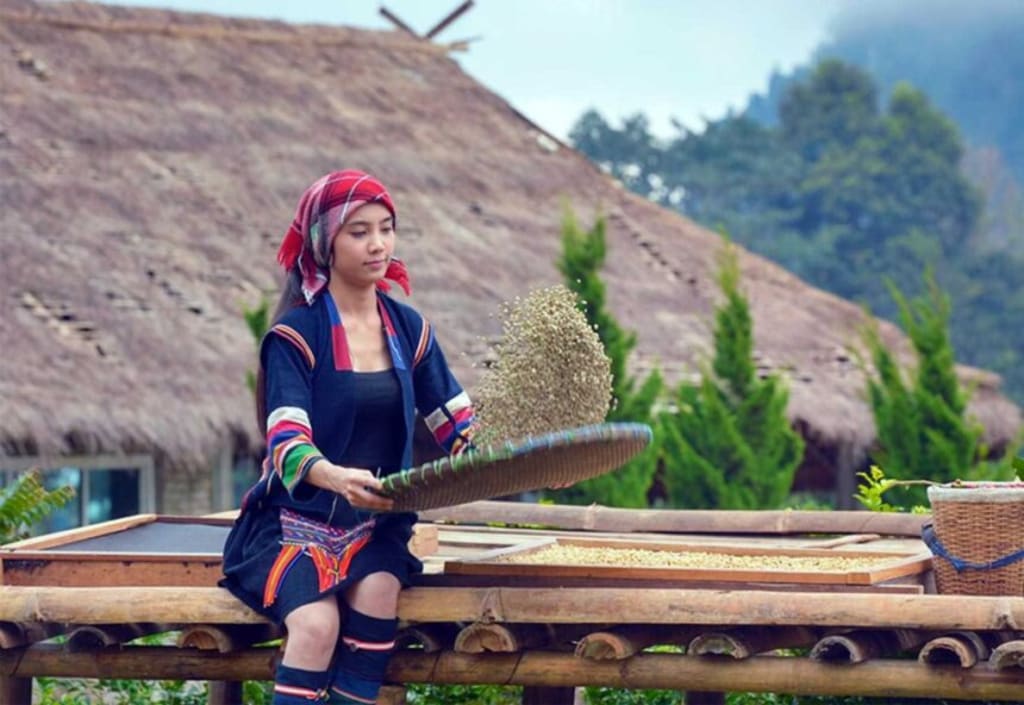
CHIANG RAI — In the misty hills of Northern Thailand and the bustling streets of Bangkok, a quiet revolution is brewing. Specialty coffee, once a niche pursuit, has surged into the mainstream, transforming Thailand from a tea-drinking nation into a vibrant hub of coffee culture.
From the high-altitude farms of Doi Chang in Chiang Rai to sleek urban cafés like Factory Coffee & Brew Bar, Thailand’s coffee scene is redefining itself with a focus on quality, sustainability, and innovation.
This article explores the meteoric rise of specialty coffee in Thailand, the explosion of Google search trends for “coffee shops near me,” the growing demand for Doi Chang’s premium beans, and the emergence of specialty coffee hotspots in Chiang Rai, spotlighting local favorites like Coffee Bean by Dao and Inthanin Coffee.
From Tea to Coffee: A Cultural Shift
Thailand’s relationship with coffee is relatively new. In the 1980s, as noted by Chiang Mai à La Carte, instant coffee like Nescafé and the traditional “kafae boran” (ancient coffee brewed with condensed milk through a sock-like filter) dominated the market.
Coffee culture, as Westerners might recognize it, was virtually nonexistent. Tea held sway as the beverage of choice, deeply rooted in Thailand’s agrarian traditions.
However, the late King Bhumibol Adulyadej’s Royal Project, launched in 1969, changed the trajectory. Aimed at replacing opium cultivation with cash crops, the initiative introduced Arabica coffee to the northern highlands of Chiang Mai, Chiang Rai, and Doi Tung.
The region’s cool climate, rich soil, and high altitude proved ideal for producing smooth, flavorful beans with notes of chocolate, nuts, and fruit.
By the early 2000s, economic growth and booming tourism created a fertile market for Western-style coffee shops. The profit margins on coffee—far higher than those on tea or other beverages—drew entrepreneurs to the sector.
According to the Chiang Rai Times, Thailand’s coffee market was valued at 36 billion baht in 2018, with an annual growth rate of 15%. Specialty coffee shops, defined by their use of high-quality beans, advanced brewing techniques, and trained baristas, began to proliferate in urban centers like Bangkok and Chiang Mai.
This shift was not merely economic but cultural. As Thailand modernized, coffee became a symbol of cosmopolitanism, appealing to a growing middle class and international visitors.
Cafés evolved from simple drink vendors to social hubs, blending Thai hospitality with global coffee trends. Today, from Phuket’s Old Town to Bangkok’s Thonglor district, coffee shops are as ubiquitous as noodle stalls, with specialty roasters and baristas pushing the boundaries of flavor and presentation.
Google Search Trends: The Coffee Shop Boom
The explosion of coffee culture is vividly reflected in Google search trends. Queries for “coffee shops near me” in Thailand have skyrocketed over the past decade, particularly in urban areas.
Data from Google Trends indicates a steady increase in searches since 2015, with spikes during peak tourist seasons in November and December. Bangkok and Chiang Mai lead the pack, but smaller cities like Phuket, Khon Kaen, and Chiang Rai are catching up, signaling a nationwide appetite for quality coffee.
This surge mirrors the physical growth of coffee shops. Euromonitor reported 8,025 coffee shops operating in Thailand in 2018, a 4.6% increase from the previous year. By 2025, industry insiders estimate this number has grown significantly, driven by independent roasters and chains alike.
Cafés like Factory Coffee & Brew Bar in Bangkok, known for its award-winning baristas and sleek industrial aesthetic, have become go-to destinations for coffee enthusiasts. Similarly, Inthanin Coffee, a Thai chain with roots in Chiang Mai, has expanded rapidly, offering affordable yet quality-driven brews that appeal to both locals and tourists.
The rise in searches also reflects changing consumer behavior. Thais, particularly younger generations, are increasingly drawn to specialty coffee’s emphasis on sensory experiences—think tasting notes, aroma diffusers, and latte art.
Social media platforms like Instagram have amplified this trend, with photogenic cafés like Factory Coffee & Brew Bar and Coffee Bean by Dao becoming viral sensations. Coffee Bean by Dao, a Chiang Mai-based roastery and café, has gained a loyal following for its meticulously sourced beans and cozy ambiance, often highlighted in social media posts by digital nomads and travelers.
The Doi Chang Phenomenon: Chiang Rai’s Coffee Crown Jewel
At the heart of Thailand’s specialty coffee movement is Doi Chang, a village in Chiang Rai that has become synonymous with premium Arabica beans. Nestled in the Golden Triangle at elevations of 1,200 to 1,600 meters, Doi Chang’s microclimate produces beans with a rich aroma and a smooth, full-bodied taste.
The Doi Chaang Coffee Company, a farmer-owned enterprise founded in partnership with Canadian coffee enthusiasts, has been a pioneer in the region since the early 2000s. Its commitment to quality and sustainability has earned it international acclaim, including awards at the World Cup Tasters Championship.
Demand for Doi Chang coffee has surged both domestically and globally. According to Perfect Daily Grind, Thailand’s specialty coffee market has grown by 15-20% annually, with Doi Chang’s beans commanding premium prices due to their unique flavor profiles—think chocolatey richness with a citrusy kick.
The village’s focus on sustainable practices, such as organic farming and fair trade, resonates with ethically conscious consumers. However, Thailand’s coffee production—28,500 metric tonnes in 2018 compared to a consumption of 82,500 tonnes—falls short of domestic demand, limiting exports and keeping Doi Chang’s beans a rare treat outside the country.
Doi Chang’s success is also tied to its community-driven model. The Akha hill tribe, which cultivates the beans, benefits directly from profits, fostering economic empowerment in a region once plagued by opium trade.
Visitors to Doi Chang Coffee House, a short drive from Chiang Rai, can tour plantations, sample brews, and purchase beans, making it a cornerstone of coffee tourism. This farm-to-cup ethos has inspired other producers in the region, solidifying Chiang Rai as a specialty coffee hotspot.
Chiang Rai’s Specialty Coffee Hotspots
Chiang Rai, often overshadowed by Chiang Mai in Thailand’s coffee narrative, is emerging as a must-visit destination for coffee lovers. Beyond Doi Chang, the province boasts a growing number of cafés and roasters that showcase its high-quality beans. Here are some standout hotspots:
Doi Chaang Coffee House: Located near the village, this café offers a farm-to-cup experience with stunning views of the surrounding hills. Visitors can sample a variety of brews, from pour-overs to nitro cold brews, and learn about the Akha tribe’s sustainable farming practices. The café’s self-guided tours and bean sales make it a pilgrimage site for coffee enthusiasts.
Bluekoff: A Chiang Rai-based roastery established in 2010, Bluekoff sources beans from local ethnic minority groups and operates a processing factory in Doi Chang. Known for its workshops and training programs, Bluekoff has become a leader in elevating the region’s coffee quality. Its flagship store in Bangkok also draws crowds for its meticulously crafted brews.
Akha Ama Coffee: While primarily associated with Chiang Mai, Akha Ama has strong ties to Chiang Rai’s Mae Suay district. Founded by Lee Ayu Chuepa, an Akha ethnic graduate, this social enterprise works with hill-tribe farmers to produce single-origin beans with fruity and nutty notes. Its Chiang Rai connections make it a key player in the region’s specialty coffee scene.
These hotspots, alongside smaller cafés like those in Chiang Rai’s city center, highlight the province’s growing reputation as a coffee destination. The region’s focus on innovative processing methods—such as natural yeast fermentation and anaerobic processing—has further elevated its beans’ appeal, attracting baristas and roasters from around the world.
Coffee Bean by Dao and Inthanin Coffee: Local Favorites
Among Thailand’s homegrown brands, Coffee Bean by Dao and Inthanin Coffee stand out for their contributions to the specialty coffee movement. Coffee Bean by Dao, based in Chiang Mai, has carved a niche with its emphasis on locally sourced Arabica beans and a cozy, Instagram-worthy café setting.
The brand’s commitment to quality extends to its roasting process, which highlights the natural flavors of Northern Thai beans. Its signature drinks, like the citrus-infused Orange Americano, have become favorites among locals and tourists alike, blending innovation with accessibility.
Inthanin Coffee, another Chiang Mai original, has taken a different approach, focusing on affordability without sacrificing quality. With outlets across Thailand, Inthanin sources beans from Northern Thai farms and offers a range of espresso-based drinks and cold brews.
Its widespread presence—often near BTS and MRT stations—makes it a convenient choice for urban dwellers seeking a quick, high-quality coffee fix. Inthanin’s success lies in its ability to bridge traditional Thai coffee culture with modern specialty trends, appealing to a broad audience.
Factory Coffee & Brew Bar: Bangkok’s Specialty Star
In Bangkok, Factory Coffee & Brew Bar epitomizes the urban face of Thailand’s specialty coffee boom. Located in the trendy Thonglor district, this café is renowned for its sleek interior, award-winning baristas, and high-tech brewing equipment, including Slayer espresso machines and Kalita Wave drippers.
Factory Coffee’s menu features single-origin beans from Thailand and abroad, with a focus on pour-overs and nitro cold brews. Its signature drinks, like the fruity cold brew poured from the tap, have made it a favorite among Bangkok’s coffee elite.
Factory Coffee’s success is part of a broader trend in Bangkok, where cafés like Roots, Paga Microroastery, and Mother Roaster are elevating the city’s coffee game.
These establishments emphasize precision brewing, sensory experiences, and aesthetic appeal, catering to a clientele that values quality over convenience. The café’s location near Thonglor’s nightlife and shopping scene also makes it a social hub, where coffee is as much about community as it is about taste.
Challenges and Opportunities
Despite its growth, Thailand’s specialty coffee industry faces challenges. Climate change threatens coffee production, particularly in the northern highlands, where unpredictable weather can damage crops.
Volatile global coffee prices and high import tariffs (45% on foreign beans) also complicate the market, making it difficult for Thai producers to compete internationally. Additionally, the government has been criticized for insufficient support for the upstream coffee industry, with regulations hindering growth in the ASEAN region.
Yet, opportunities abound. The rise of coffee tourism, as seen in Doi Chang and Chiang Rai, is creating new revenue streams for farmers and roasters.
Young, tech-savvy farmers are adopting innovative processing techniques, such as mucilage fermentation and yeast natural methods, to differentiate their beans. Events like the Thai Specialty Coffee Awards and the Cup of Excellence pilot project are also raising Thailand’s profile on the global stage, with 53 coffees scoring 85 points or higher in the 2023 auction.
A Brewed Future
Thailand’s specialty coffee scene is a testament to the country’s ability to blend tradition with innovation. From the sustainable farms of Doi Chang to the chic cafés of Bangkok, coffee has become a catalyst for economic empowerment, cultural transformation, and global recognition.
Google search trends reflect this passion, with “coffee shops near me” becoming a rallying cry for a generation seeking quality and connection. Brands like Coffee Bean by Dao, Inthanin Coffee, and Factory Coffee & Brew Bar are leading the charge, while Chiang Rai’s hotspots are putting the region on the map.
As Thailand continues to refine its coffee craft, the world is taking notice. Whether you’re sipping a pour-over at Factory Coffee or touring the plantations of Doi Chang, one thing is clear: Thailand’s coffee culture is here to stay, and it’s brewing something extraordinary.
About the Creator
VORNews
VOR News Independent news media proudly known as the Voice of the Republic, emerged with a clear mission: to deliver unfiltered, principled journalism that champions truth, integrity, and the values that define a free society.
The goals I did not achieve
Every writing goal I made for the year is a wash. It has been this way for a while, but I think it's important to be open about my failures and the reality of how life can get in the way. This is especially true considering the several times I have posted on Vocal about my writing goals, how I was changing my approach, and where I was hoping to be for the upcoming year. I will probably do that again in a couple months, but for now, it is time to acknowledge where I am today.
By Kay Husnick23 days ago in Journal
Wild Card Weekend Recap: What Happens Now?
I think I figured out why I love Wild Card Weekend so much. It's because it's the first playoff anything of the calendar year. The NFL season starts in the fall, and once upon a time, the champion was crowned either on or slightly before New Year's. The evolution of the NFL schedule has resulted in the playoffs starting just into the New Year, and currently, the final week of the season falls on the first weekend of the New Year, with Wild Card Weekend coming a week after that. So yes, chronologically, the NFL's Wild Card Weekend serves as the first playoff anything of the calendar year.
By Clyde E. Dawkins5 days ago in Unbalanced




Comments
There are no comments for this story
Be the first to respond and start the conversation.