
The Rise of Eco-Friendly Receipt Paper: What Retailers Need to Know
Transform retail using eco-friendly practices

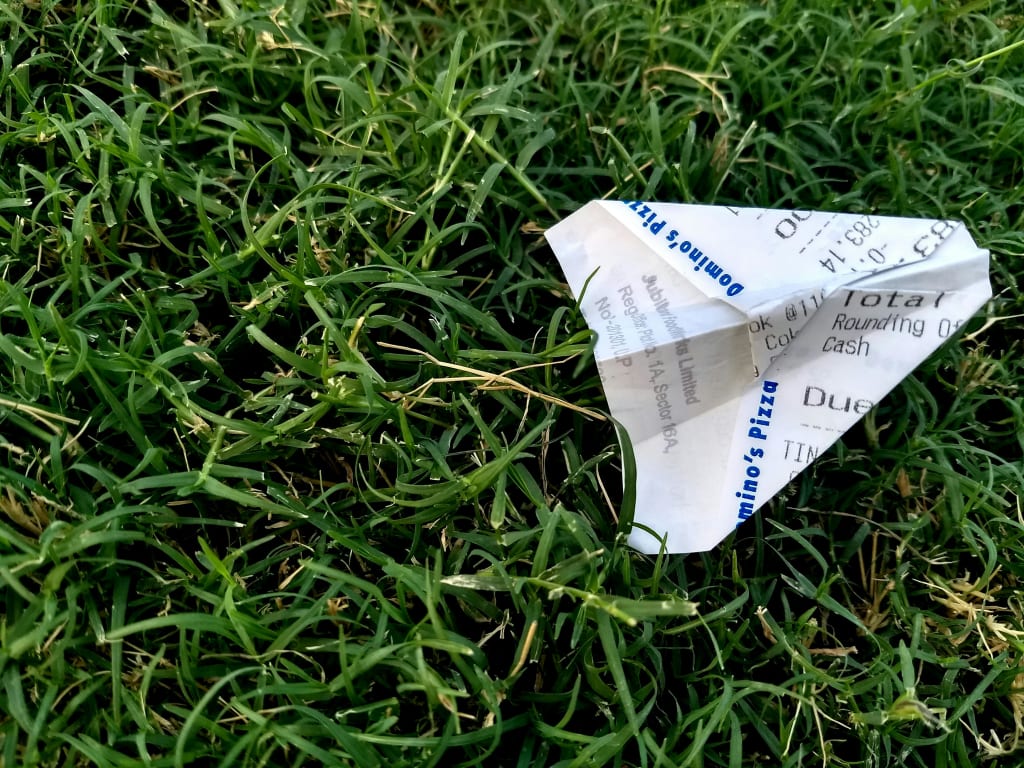
Rising temperatures, unforeseen environmental disasters, combined with rising emissions – it’s clear that sustainability today shouldn’t be an option for anyone; it should be essential. So what about receipt paper? Nobody really talks about it, but it’s an aspect of business that’s easy to change and powerful when it comes to impact.
The Environmental Cost of Traditional Receipt Paper
Receipts may seem harmless, but their environmental footprint is significant. Here’s why:
- Deforestation: Millions of trees are cut down annually to produce receipt paper.
- Chemical Pollution: BPA and BPS, commonly found in thermal paper, can leach into the environment and pose health risks.
- Waste Accumulation: Most receipts are non-recyclable because of their chemical coatings, contributing to landfill waste.
- Carbon Emissions: The production and disposal of receipt paper generate greenhouse gases.
Most receipts can’t be recycled because of their chemical coatings, leading to excessive waste accumulation in landfills.. As consumers get to know more about sustainability, businesses have to switch to eco-friendly receipt alternatives to minimize their footprint.
What is Eco-Friendly Receipt Paper?
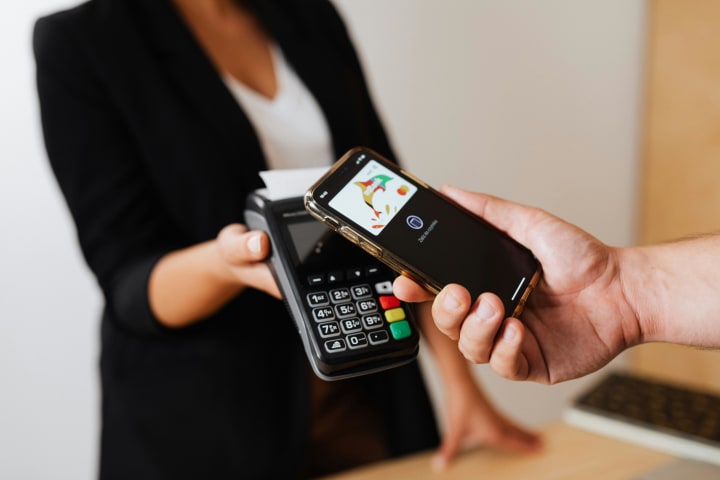
Eco-friendly receipt paper is designed to minimize environmental harm while maintaining functionality. Key features include:
- BPA-Free and BPS-Free Paper: Eliminates harmful chemicals linked to health concerns.
- Recyclable and Compostable Materials: Allows receipts to be safely disposed of or repurposed.
- Soy-Based or Water-Based Inks: Reduces toxic emissions from traditional ink production.
- Energy-Efficient Printing Methods: Uses less power, reducing carbon footprints.
Retailers who make the switch from normal receipt paper to eco-friendly alternatives end up not just being sustainable but also improving their brand reputation.
Why Businesses Need to Change
Meeting Consumer Expectations
Today’s consumers are more environmentally conscious than ever. Many prefer shopping at businesses that prioritize sustainability. Offering eco-friendly receipts can improve customer loyalty and brand perception.
Regulatory Compliance
Governments globally are tightening regulations on BPA usage and waste management. Retailers who proactively switch to sustainable receipt paper can avoid future compliance issues.
Cost Savings in the Long Run
While eco-friendly receipt paper may have a slightly higher upfront cost, it can lead to long-term savings by reducing waste disposal fees and improving operational efficiency.
Enhancing Brand Image
Sustainability initiatives resonate with customers. Retailers who promote their eco-friendly practices can differentiate themselves in a competitive market.
Challenges in Transitioning to Eco-Friendly Receipt Paper
Despite its benefits, transitioning to sustainable receipt paper comes with challenges. To begin with, eco-friendly paper can have higher initial costs. They are more expensive than traditional options. There is also the problem of finding a reliable supplier who offers sustainable receipt paper. Some thermal printers might also require adjustments or upgrades. You can usually check this with the printer manufacturer or with the thermal receipt supplier.
And when all of this is done, there’s also the matter of letting your customers know! Customers might need to be made aware of why eco-friendly receipts matter. You can do this through email newsletters, standees, posters at your business, and more.
Retailers Leading the Way
It might seem like no other business in your vicinity is adopting eco-friendly receipts, but that’s where the misconception starts. There are several large brands that have consciously made the switch to be more sustainable in their operations, and that includes changing how receipts work. A good example of this is Marks & Spencer (UK), which initiated an ‘opt-in’ scheme for printed receipts, encouraging consumers to adopt other alternatives. It combined this with customer education on how BPA-coated receipts affect the recyclability of these receipts. It shifted consumer preferences through transparency.
Another brand that has successfully transitioned to recyclable paper receipts is Lush. The brand has always been known for ethical sourcing and packaging, and this has been reflected in their receipts too. Lush also uses this interaction as an opportunity to educate consumers about reducing waste, proof that sustainability and customer engagement can go hand in hand.
On the other hand, a Swedish clothing brand called Asket has taken the idea of a receipt far beyond a simple transaction record. Their ‘Impact Receipt’ is a bold reimagining that details the environmental cost of each garment purchased. Instead of just listing prices and taxes, the digital receipt also includes carbon dioxide emissions, water usage, energy consumption, packaging, and shipping impact. It empowers consumers with knowledge. By quantifying the environmental footprint of each item, they’re helping consumers make more informed, conscious choices.
These brands, while they might be different in size, sector and even geography, offer good advice to other businesses on how to make the shit. When customers aren’t prompted to print, most won’t. Clear communication always helps. Added to that, a note about BPA-free or recyclable paper builds trust and elevates the customer experience. Train employees with simple language to explain why eco-friendly paper is better.
How Retailers Can Make the Switch
To begin with, retailers should assess their current receipt usage, including paper type, printing methods, and waste management. It’s important to choose the right eco-friendly paper for your business needs. Options include:
- BPA-Free Thermal Paper
- Recyclable Paper Rolls
- Soy-Based Ink Receipts
- Digital Receipts (Paperless alternative)
Some eco-friendly papers will also need a specialized thermal printer. However, investing in energy-efficient printers can further reduce environmental impact. Eventually, retailers can also look into providing SMS receipts to reduce paper waste.
Sustainable Practices Changing the Game
Eco-friendly receipt paper isn’t just a passing trend; it’s a game-changer in modern retail. As environmental awareness grows, businesses need to step up, cut down waste, stay ahead of regulations, and meet changing customer demands. Every choice counts towards a sustainable future for all!
By embracing greener receipt solutions, retailers don’t just reduce their footprint, they strengthen their brand, deepen customer loyalty, and lead the way in responsible commerce. Sustainability is not and should not be an option; it is the new standard.
About the Creator
William Powell
William Powell is a writer and educator with a passion for marketing. He enjoys learning about the latest business trends and analyzing how global events impact domestic and international economies.
Keep reading
More stories from William Powell and writers in Journal and other communities.
Cultivating Leadership Skills That Matter in Today’s Workforce
The business world is always changing. Current challenges the workforce faces include the rise of artificial intelligence, gig economies becoming more popular, and companies adopting remote or hybrid work styles. With so much happening, now is the ideal time to learn how to cultivate leadership skills relevant to leading a modern workplace.
By William Powell10 months ago in Journal
Author’s Advice
If you would’ve asked me 20 years ago did I know I’d become a writer and an author, I would’ve said “nope, ain’t happening”. As fate would have it I did become an author and I can honestly say I’m loving it so far. It really does feel good to be a writer. I’ve learned a lot on this journey and I feel like with even me being as new to this world as I am, there’s some wisdom I need to share with every other aspiring author.
By Joe Patterson5 days ago in Journal




Comments
There are no comments for this story
Be the first to respond and start the conversation.