
The Ripple Effect: Brazil's Operation Car Wash Scandal and its Impact on Latin AmericaThe biggest corruption scandal in Latin America’s history
A Tale of Corruption, Economic Devastation, and Lingering Uncertainty

Introduction
Comperj, the colossal petrochemical complex in Brazil's Itaboraí, stands as a testament to both ambition and scandal. What was once envisioned as an economic boon became a symbol of corruption in Brazil's history, stemming from the infamous Operation Car Wash. This far-reaching scandal implicated influential Brazilians, including CEOs, politicians, and even a former President, casting a long shadow of economic devastation.
The Rise and Fall of Comperj
Comperj, the brainchild of a multibillion-dollar project initiated in 2008, aimed to open its doors in 2011. It was poised to become the largest petrochemical complex in Brazil, boasting two refineries and a petrochemical plant spanning a vast 45 square kilometers. Located near Brazil's newly discovered natural gas fields, Comperj promised to generate over 200,000 direct and indirect jobs in the area.
As construction began, Itaboraí transformed into a bustling boomtown. In 2010 alone, 50,000 people relocated to the city, 160 new businesses emerged, and the population surged by more than 16%. But as the project took shape, a seismic event occurred 1,200 kilometers away that would alter its course entirely.
The Unveiling of Operation Car Wash
In 2012, Brazilian authorities initiated Operation Car Wash by placing a Brasília gas station under surveillance, suspecting it to be involved in money laundering. This move would unearth a massive corruption scheme that reached the highest echelons of power.
Alberto Youssef, a known money launderer, provided a crucial break in the case. Rather than exposing criminal elements, Youssef revealed that he was laundering money for top Petrobras executives, the nation's state-owned oil company, which also owned Comperj. Thus began the Operation Car Wash investigation, exposing a labyrinthine web of corruption entangling Petrobras, engineering firms, and government officials.
The Car Wash Scheme Unveiled
The Car Wash scheme revolved around manipulating Petrobras projects to enrich a coalition of engineering companies, politicians, and criminals. Instead of competing for contracts, these firms colluded to fix prices and secure contracts for each other. The ringleader, Odebrecht, secured major contracts for Comperj, leading to staggering overcharges.
What was initially a $6 billion project ballooned to at least $14 billion by 2015. Odebrecht further laundered profits through unrelated businesses before funneling money to Petrobras executives and politicians. Bribes were exchanged for contracts, and politicians relied on this funding for their election campaigns.
The Aftermath: Economic Devastation
When Operation Car Wash broke the scandal, Petrobras and the engineering companies faced dire consequences. Over two dozen executives were arrested, and Petrobras saw its stock value plummet by half between September 2014 and January 2015.
The colossal Comperj project, still incomplete, laid off 13,000 workers, leaving 40,000 Itaboraí residents unemployed. The city's employment program now serves as a lifeline for many, with hundreds lining up daily for odd jobs. Itaboraí's struggle to recover is emblematic of Brazil's broader economic challenges.
While limited construction is set to resume at Comperj, with the natural gas unit expected to open in 2020, this will create just 5,000 jobs. The impact of Comperj's closure extends beyond Brazil's borders.
A Regional Crisis: Latin America in Turmoil
The Operation Car Wash scandal reverberated throughout Latin America. As the same engineering companies were involved in projects across the region, they ground to a halt when implicated in the corruption web. In 2016, at least 17 projects were reportedly stalled in seven countries, including Peru, Colombia, and Venezuela.
These halted initiatives translated into widespread layoffs, with an estimated 500,000 jobs lost in Brazil alone. Over four years after the scandal's eruption, Brazil's unemployment rates remain elevated, compounding the nation's economic challenges.
Operation Car Wash: Blessing and Curse
Operation Car Wash is a double-edged sword. On one hand, it exposed deep-rooted corruption that had plagued Brazil for decades, leading to the prosecution of influential leaders. However, it has also eroded trust in Brazil's political system, creating divisions among the populace.
The imprisonment of former President Luiz Inácio "Lula" da Silva, while leading in election polls, raised questions about the impartiality of Brazil's judicial system. The subsequent elections became the most divisive in the nation's history, with widespread disillusionment among its citizens.
Operation Car Wash stands as a testament to the complexities of rooting out corruption, the far-reaching consequences of such scandals, and the resilience of nations in the face of adversity. As Brazil grapples with the aftermath of this colossal corruption web, its story serves as a cautionary tale for Latin America and beyond.
About the Creator
Vivian Yao
News, economy, history, politics, and much more...
Keep reading
More stories from Vivian Yao and writers in Journal and other communities.
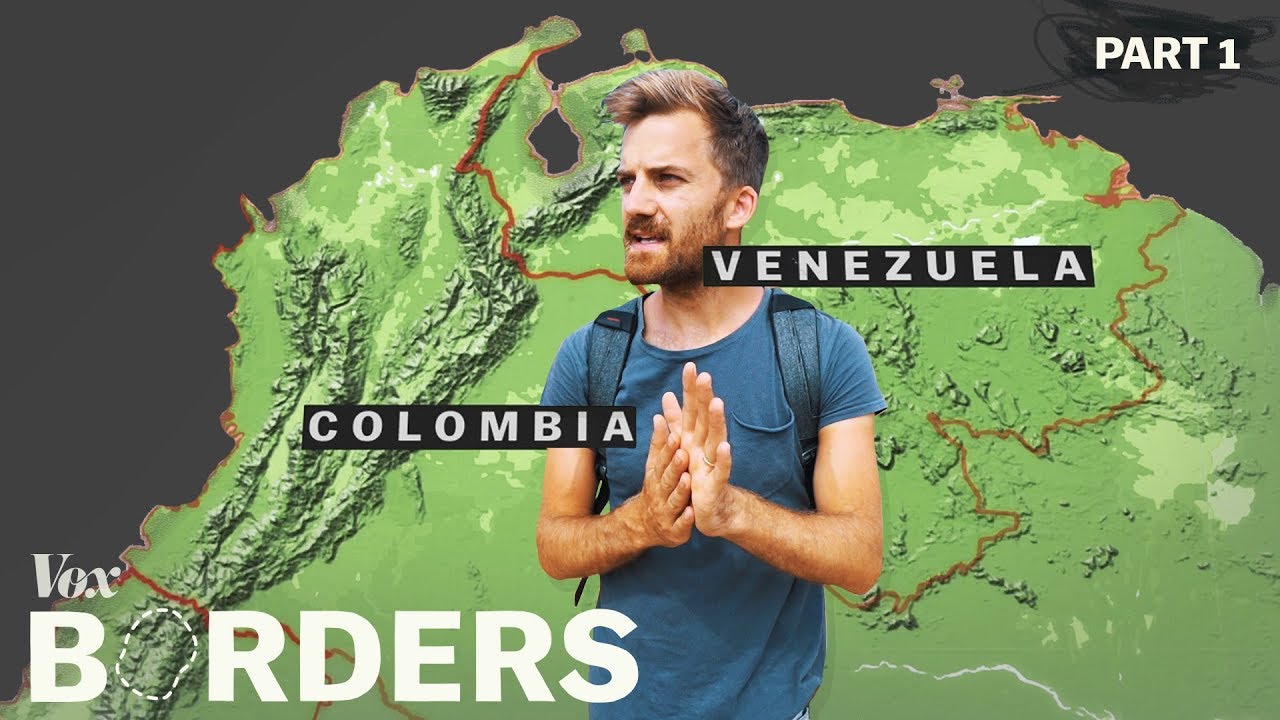
Colombia's Open Arms: A Beacon of Hope Amidst Venezuela's Crisis
Introduction Venezuela's deepening crisis has sent shockwaves through Latin America, leading to an exodus of millions of desperate people. They are seeking refuge and a chance at a better life in neighboring countries, and one nation, in particular, has emerged as a beacon of hope amidst this humanitarian catastrophe: Colombia.
By Vivian Yao2 years ago in Journal
The goals I did not achieve
Every writing goal I made for the year is a wash. It has been this way for a while, but I think it's important to be open about my failures and the reality of how life can get in the way. This is especially true considering the several times I have posted on Vocal about my writing goals, how I was changing my approach, and where I was hoping to be for the upcoming year. I will probably do that again in a couple months, but for now, it is time to acknowledge where I am today.
By Kay Husnick25 days ago in Journal
Ludacris and Nelly draw backlash over bookings at MAGA-coded music festival
Ludacris and Nelly headlining a mostly right-wing event is good for them. It’s also great for the genre of hip hop. The two rap veterans have showcased their talents on other stages. Why can’t they perform for mostly MAGA folks and grab that bag?
By Skyler Saunders5 days ago in Beat



Comments
There are no comments for this story
Be the first to respond and start the conversation.