
The Quran: More Than a Book, a Way of Life
Exploring the Timeless Teachings That Continue to Shape Lives Across the Globe
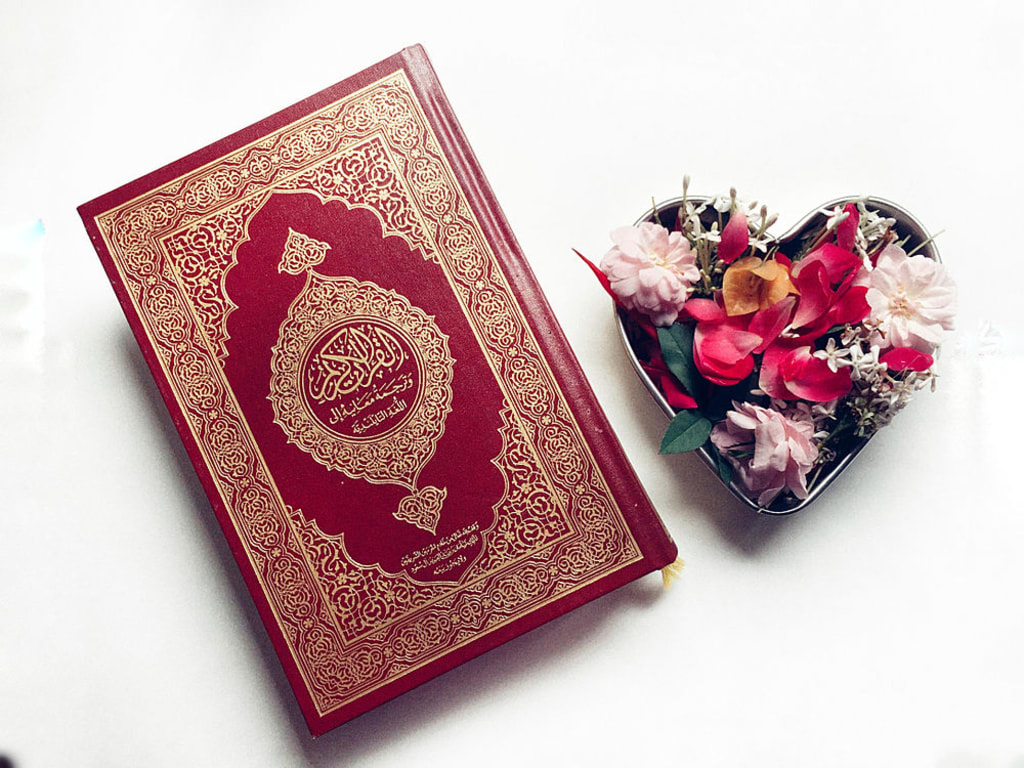
For over fourteen centuries, the Quran has stood as the beating heart of Islam—a book not just read, but lived. To its followers, it is far more than ink on paper. It is guidance, comfort, discipline, and a divine dialogue between the Creator and humanity.
But in a world that often reduces religion to rituals and stereotypes, the Quran is rarely explored for what it truly is: a comprehensive way of life, offering timeless wisdom on everything from personal conduct to social justice, inner peace to spiritual awakening.
The Quran in a Glimpse
The Quran, believed by Muslims to be the final revelation from God (Allah), was revealed to the Prophet Muhammad (peace be upon him) over a span of 23 years. Its 114 chapters (surahs) cover a vast range of subjects: theology, morality, law, relationships, nature, and the afterlife.
Unlike most religious texts, the Quran is recited, memorized, and reflected upon daily by millions of people. It’s a living, breathing guide—not locked in a past era but continually relevant to present and future generations.
A Book That Speaks to the Soul
Open any page of the Quran, and you’ll find more than ancient scripture—you’ll find a conversation. It acknowledges human doubts, fears, questions, and hopes. It comforts the broken-hearted, calls the arrogant to humility, and reminds the lost of mercy and direction.
“Indeed, in the remembrance of Allah do hearts find rest.”
(Quran 13:28)
Many who read the Quran—Muslim or not—are struck by its emotional depth. It speaks of patience during trials, the importance of gratitude, and the value of forgiveness. In a world increasingly loud with distraction, the Quran’s call to silence, reflection, and self-discipline feels radical—and necessary.
A Blueprint for Ethical Living
The Quran doesn't just inspire spiritually—it offers a moral compass. It promotes compassion, honesty, justice, and responsibility. It speaks up for the rights of orphans, the poor, the traveler, and the oppressed. It encourages fairness in trade, kindness to parents, and dignity in all human interaction.
“O you who have believed, stand firm for justice, even if it be against yourselves…”
(Quran 4:135)
It’s not just about prayer and fasting—it’s about how you treat others, how you use your time, and how you respond to hardship.
In a global society dealing with inequality, corruption, and a loss of empathy, the Quran offers a grounded framework for ethical behavior that transcends culture and time.
Not Just for Arabs—For All of Humanity
Though the Quran was revealed in Arabic, it is not limited to Arab Muslims. In fact, over 80% of Muslims are non-Arab, and millions around the world read translations in their native languages.
The Quran speaks universally—its principles of justice, mercy, charity, and personal responsibility resonate with people from all walks of life.
Many non-Muslims have also explored the Quran out of curiosity, academic interest, or spiritual seeking. Some are drawn to its poetic power, others to its deep reflection on the human condition.
Misunderstood, Yet Majestic
In today’s media landscape, the Quran is often misunderstood or misquoted. It’s essential to read the Quran in context, understanding the historical and spiritual background of each verse. Like any powerful text, cherry-picking lines without insight can lead to confusion and misinterpretation.
That’s why many scholars and readers urge reflection (called Tadabbur in Arabic) when approaching the Quran—not just reading it, but thinking deeply about what it means.
A Daily Guide for Millions
For practicing Muslims, the Quran isn’t left on a shelf. It is recited during prayers, quoted in everyday speech, and consulted in moments of difficulty. It is a source of personal growth and accountability.
Many Muslims memorize it cover to cover (a feat known as becoming a Hafiz), not just as an intellectual exercise, but as a spiritual act of devotion. Children grow up listening to it, elders pass away with its words on their lips.
It is integrated into life’s milestones: births, weddings, funerals, and daily routines.
Final Thought: A Book That Asks You to Reflect
The Quran doesn’t demand blind obedience. In fact, it encourages reflection, questioning, and critical thought. Over and over, it asks:
“Do they not reflect upon the Quran?”
(Quran 4:82)
Whether you’re a believer, a seeker, or someone simply curious about Islam, the Quran offers not just a window into the Islamic faith—but into the human experience itself.
It doesn’t claim to answer every scientific detail or historical mystery. What it offers is something deeper: a guide for the heart, a light in the darkness, and a path for those willing to walk it.
Because in the end, the Quran is not just a book—it’s a lifelong companion, for those who choose to let it speak.
The Quran, Islamic Teachings, Spirituality, Faith and Life, Quranic Wisdom, Muslim Lifestyle, Islam and Ethics, Divine Revelation, Quran Reflections, Religion and Society
About the Creator
Keep reading
More stories from Shahjahan Kabir Khan and writers in Journal and other communities.
Pope Francis Passes Away at 88: The World Mourns a Humble Shepherd of Hope
At a moment when he has left millions in the world with silent pain, Pope Francis, the 266th head of the Roman Catholic Church, was at the age of 88. The UOICTICAL Vatican agreed their Pacific Death prior to Monday to the Apostolic Palace, surrounded by near specials and spiritual species. Like the bells of the Saint-Pierre basilica, numbers in a solemn pace, the world reflects on the legacy of a pontiff who reshaped the papacy's image with his humility, its and delicious commitment to justice.\
By Shahjahan Kabir Khan11 months ago in Journal
Author’s Advice
If you would’ve asked me 20 years ago did I know I’d become a writer and an author, I would’ve said “nope, ain’t happening”. As fate would have it I did become an author and I can honestly say I’m loving it so far. It really does feel good to be a writer. I’ve learned a lot on this journey and I feel like with even me being as new to this world as I am, there’s some wisdom I need to share with every other aspiring author.
By Joe Patterson5 days ago in Journal




Comments
There are no comments for this story
Be the first to respond and start the conversation.