
The Quiet Role of Tree Care in Your Yard
Why Routine Tree Maintenance Matters More Than You Think
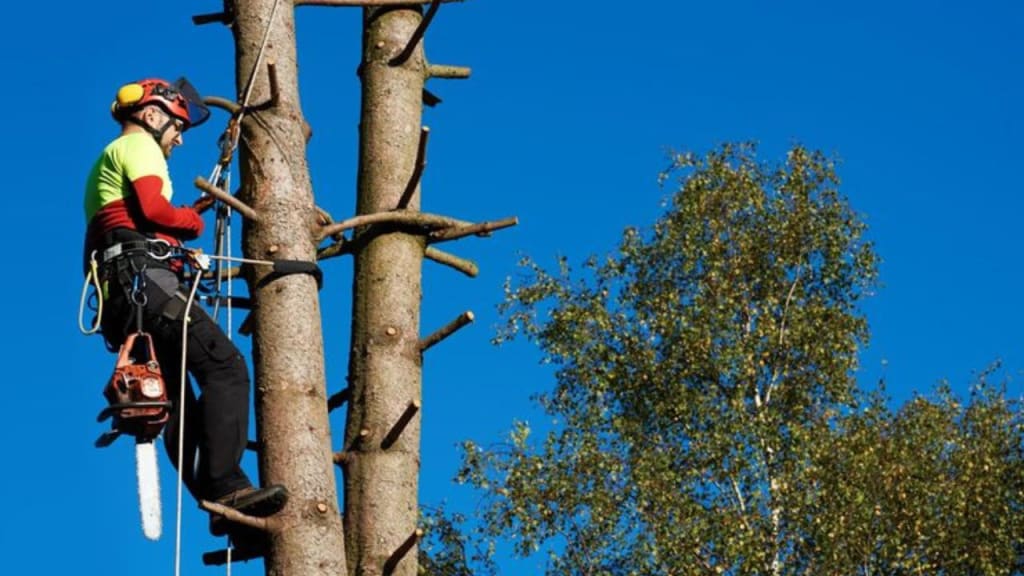
Trees grow without asking for much. They sway gently in the wind, drop their leaves in autumn, and provide cooling shade throughout the summer. However, behind that silent strength lies a delicate system that occasionally requires human assistance. Pruning is not an interruption to a tree’s natural growth—it’s a form of support. When done with care and experience, tree pruning and removal can rejuvenate your outdoor space and safeguard your surroundings.
This service becomes essential not only for appearances but for long-term safety and health. Over time, trees may develop overgrown or poorly positioned limbs. Some might show signs of internal decay or begin to lean unsteadily. Without attention, these signs can lead to issues that go far beyond a messy yard. They may affect your home, your safety, and the tree’s survival.
A Gentle Way to Encourage Growth
Pruning encourages a tree to grow in the right direction, both physically and health-wise. By selectively removing weaker or crowded branches, you allow sunlight and airflow to reach deeper into the canopy. That simple shift can transform a tree from dull and dense to vibrant and balanced. Good airflow reduces the chances of mold or disease spreading through the branches. More light stimulates healthy leaf production. The overall result is a stronger, more resilient tree with better structural balance.
Timing also matters. Pruning is often most effective when done during the dormant season; however, minor trimming can occur at any time of year. Different species of trees respond to pruning in various ways, and a professional eye helps determine what should be cut, when, and how much. An aggressive approach can do more harm than good, while careful, informed trimming sets the stage for healthy renewal.
Signs It May Be Time for Professional Help
Most trees won’t send out an obvious distress signal. But there are visual and structural signs that indicate the need for intervention. Branches that appear to be crossing, splitting, or growing toward the house are often early warnings. Cracks along the trunk or near the base of limbs can suggest internal weakness. Discolored leaves or thinning foliage may signal nutrient deficiencies or disease, and sudden leaning may indicate compromised roots.
When trees begin to dominate a space they once gently filled, it’s often time for a professional assessment. While light maintenance trimming may be manageable for a homeowner, deeper issues such as structural imbalance, infestation, or significant decay are better left to those who specialize in tree pruning services. Experts don’t just remove what’s visibly damaged—they also anticipate future issues and shape growth patterns with long-term stability in mind.
The Decision to Remove
While pruning supports the life of a tree, there are times when removal is the more responsible option. A tree that has suffered significant storm damage may no longer be structurally safe, even if it still has green leaves. Invasive roots that threaten plumbing systems or foundations are another common reason for removal. In some cases, disease or age may render the tree hollow or brittle, making it beyond recovery.
Making the decision to remove a tree is rarely an easy one. Trees often hold sentimental value and are key elements of a property’s identity. But safe removal can protect nearby structures, prevent injury, and open up new possibilities for landscaping or replanting. It also allows for the introduction of new trees that are more compatible with current needs or environmental conditions.
Sustainability Through Smart Practices
Tree care is closely tied to environmental awareness. When carried out thoughtfully, pruning and removal services contribute to the ecological well-being of your yard and your neighborhood. This begins with the choice of how to prune and what to preserve. It extends into how removed limbs and trunks are handled. Many services recycle removed wood into mulch or compost, giving new life to old branches.
In urban and suburban settings, where space is shared and tree growth affects entire communities, following best practices for removal and disposal is essential. This includes adhering to municipal guidelines, avoiding damage to nearby plant life, and maintaining soil health after a removal project is completed. Ethical service providers recognize the importance of preserving biodiversity while helping homeowners maintain safe and healthy spaces.
The Process of Professional Tree Care
When you reach out to a tree service, the process typically begins with a walk-through of your property. During this conversation, you can explain what you’ve observed—whether it's a leaning tree, dropping limbs, or simply an overgrown canopy. The specialist will then evaluate the condition of your trees, the location of nearby structures, and the seasonal factors that may influence the work.
Once an approach is agreed upon, you’ll receive a detailed estimate that covers the scope of the work, the expected time, and any necessary cleanup afterward. Depending on your needs, the crew might trim selective areas or remove the tree entirely. Safety protocols are followed closely throughout, protecting your property, your neighbors, and the workers themselves. The goal isn’t simply to complete the job—it’s to do so with respect for the natural surroundings and a vision for long-term improvement.
Welcoming New Light into Your Landscape
Pruning may not be the most visible change you make to your yard, but it’s one of the most effective. Healthier trees cast better shade, produce fuller blooms, and live longer. Safer trees reduce your risk of accidents during storms or heavy winds. More open space can invite new plantings or allow for more natural light to enter your home. Whether the goal is structure, safety, or beauty, the results are consistently meaningful.
Take a quiet moment to step outside and look up. If your trees are growing beyond their limits, gently sagging, or developing uneven growth, schedule a visit from a local arborist. Let your landscape breathe, and let your trees grow stronger with the help they deserve.
About the Creator
Keep reading
More stories from Brandon Honey and writers in Journal and other communities.
Why Digital Wax Heaters Are a Game-Changer for Home Waxing
At-home hair removal has come a long way. From messy pots on stovetops to bulky salon kits, the evolution of waxing has seen it all. But one innovation stands out in transforming the home waxing experience: the digital wax warmer.
By Brandon Honey6 months ago in Journal
The goals I did not achieve
Every writing goal I made for the year is a wash. It has been this way for a while, but I think it's important to be open about my failures and the reality of how life can get in the way. This is especially true considering the several times I have posted on Vocal about my writing goals, how I was changing my approach, and where I was hoping to be for the upcoming year. I will probably do that again in a couple months, but for now, it is time to acknowledge where I am today.
By Kay Husnick22 days ago in Journal




Comments
There are no comments for this story
Be the first to respond and start the conversation.