
The Psychology of Blue Chandeliers: Why They're More Than Just Decoration
The Psychology of Blue Chandeliers
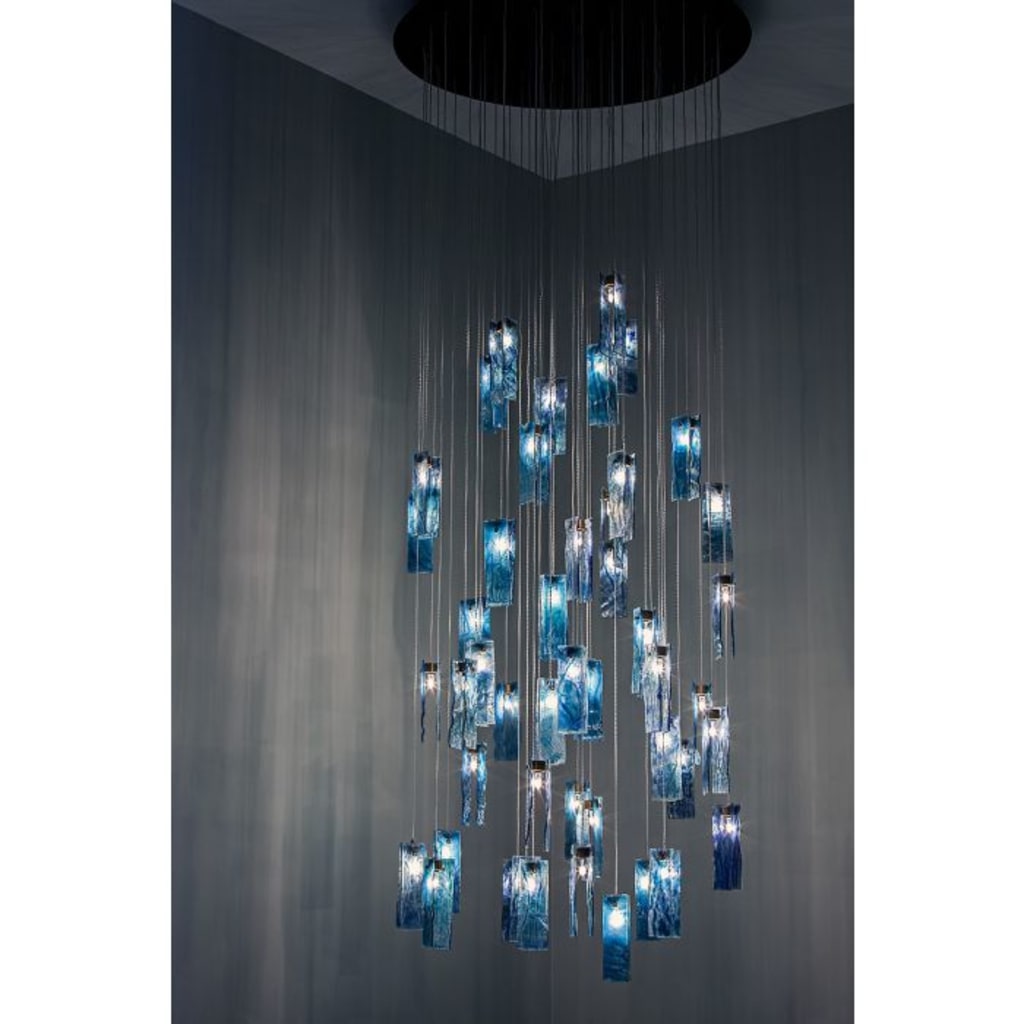
Blue chandeliers are more than just fancy pieces of decoration. They may arouse emotions and change moods, making them an intriguing topic to research psychologically.
When paired with the luxury of a chandelier, the color blue, which has long been linked with peace, tranquillity, and relaxation, produces a special atmosphere that may affect how we feel in a place.
This post explores the psychology of blue chandeliers and how they may affect our feelings, actions, and general well-being.
What is Color Psychology?
The study of colors influencing human behavior is known as color psychology. Unobvious sensations, like the flavor of food, are influenced by color. People's emotions can be affected by various characteristics of colors.
Depending on an individual's age, gender, and culture, color may have different effects. Although cultural context might cause color associations to differ, the color choice should be consistent across gender and ethnicity.
The Psychology of Blue Light
According to a poll that included participants from ten different nations, blue is the most widely-accepted "favorite color" worldwide. Among American survey participants, males preferred blue more frequently than women (40% to 24%, respectively).
By studying color psychology, we can learn much about how different colors may affect someone's mood, emotions, and actions.
What is known about the psychology of blue is as follows:
Due to its widespread popularity, blue is frequently considered a non-threatening hue that might appear conventional and conservative.
The color blue evokes sentiments of serenity and tranquility. It is frequently characterized as quiet, secure, peaceful, and well-organized.
Blue is seen as a symbol of security and dependability. The blue color is frequently used in advertising and marketing by companies that aim to convey a sense of security.
Blue can also evoke emotions of melancholy or distance. Think about how a painting with many blues, like those by Picasso during his "blue period," might appear lonely, depressing, or melancholy.
Using Color Psychology to Create Mood Lighting
The intriguing topic of color psychology investigates how colors might influence our state of mind, feelings, and actions. It makes sense that many lighting experts and interior designers utilize this information to produce mood lighting that improves the ambiance of a location.
The common chandelier is one of the most well-liked lighting fixtures that might profit from color psychology. A chandelier can do more than add decoration to a space; it can also set the tone and atmosphere and affect our behavior.
It's crucial to consider the particular requirements of the area and the users when employing color psychology to create mood lighting. A blue chandelier might not be ideal for a party room or other area that demands plenty of energy and bustle.
In the realm of chandeliers, blue is one hue that is becoming increasingly fashionable. The color blue is frequently linked to tranquility, peace, and relaxation. It makes sense that many spas and meditation spaces utilize blue lighting to encourage relaxation and reduce tension among their patrons.
However, chandeliers aren't exclusively for calm environments. They may also be utilized to create a cool, upscale environment in other rooms of the house or business. For instance, the chandelier may provide a modern office area or a dining room with a hint of chicness.
The Final Words
However, a blue chandelier might be the ideal option for rooms that call for a tranquil and soothing atmosphere. It can promote serenity and aid in the reduction of stress and anxiety.
It's critical to comprehend chandelier psychology. After a stressful day, blue is a relaxing hue that may aid in relaxation. Consider installing a blue chandelier in your home to generate mood lighting!
About the Creator
Keep reading
More stories from Business Promotions and writers in Journal and other communities.
The Benefits of Implementing an Online Clock-In and Out System for Your Business
In today's fast-paced corporate environment, staying one step ahead of the competition and boosting productivity is crucial for success. Installing an online clock-in and clock-out system for your company is one efficient approach to accomplish this.
By Business Promotions3 years ago in Journal
Author’s Advice
If you would’ve asked me 20 years ago did I know I’d become a writer and an author, I would’ve said “nope, ain’t happening”. As fate would have it I did become an author and I can honestly say I’m loving it so far. It really does feel good to be a writer. I’ve learned a lot on this journey and I feel like with even me being as new to this world as I am, there’s some wisdom I need to share with every other aspiring author.
By Joe Patterson5 days ago in Journal
Leading Innovation Forward: The Power of Visionary Marketing Leadership in Tech Startups
Tech startups move fast. They build new tools, new platforms, and new ways to solve real problems. Yet many startups fail not because their products are weak, but because the market never fully understands them. This is where visionary marketing leadership becomes essential. Strong marketing leadership helps startups explain their value, reach the right audience, and grow smartly. Without clear direction, even brilliant technology can stay hidden.
By Nathalie Kyriakouabout 11 hours ago in Journal




Comments
There are no comments for this story
Be the first to respond and start the conversation.