
The Power of Restaurant Marketing Software: Boosting Your Bottom Line
Restaurant Marketing Software

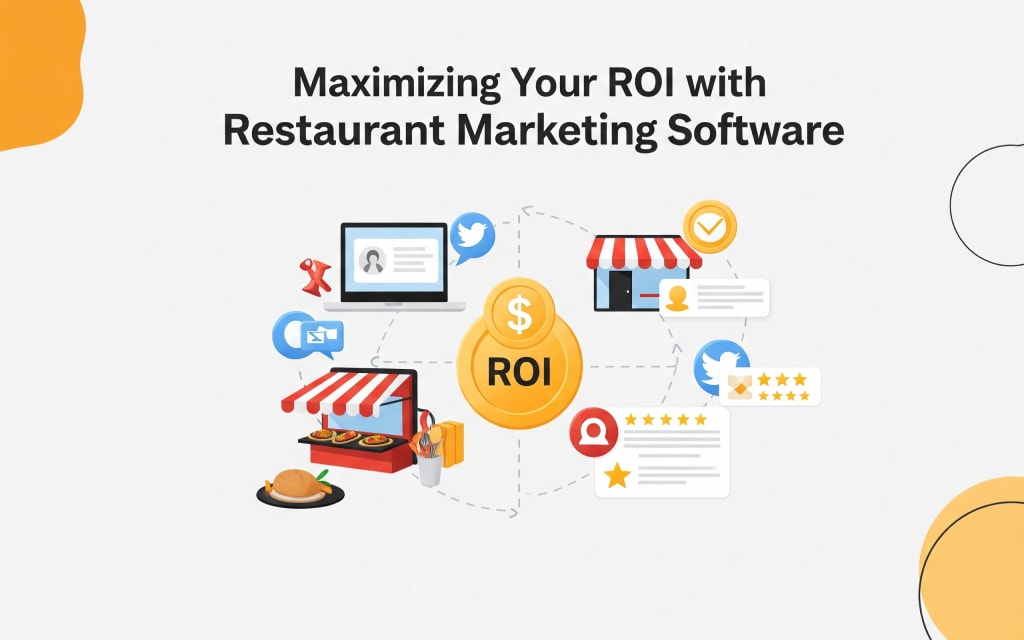
In today's competitive restaurant industry, relying solely on culinary excellence isn't enough for sustained success. Effective engagement with your audience, fostering customer loyalty, and attracting new diners are crucial. This is where Restaurant Marketing Software proves invaluable, transforming fragmented efforts into a cohesive, data-driven strategy that can significantly enhance your Return on Investment (ROI).
ROI, in this context, measures the effectiveness of your marketing initiatives – the financial return generated for the resources invested. For restaurants, a strong ROI means more efficient campaigns, better resource allocation, and sustained growth. The strategic implementation and effective use of the right software are key to achieving these outcomes.
Understanding Comprehensive Platforms
Modern Restaurant Marketing Software extends beyond basic communication tools. It functions as an integrated platform, offering a unified perspective on customer interactions and campaign performance. Key functionalities often include:
Customer Relationship Management (CRM): This centralizes customer data, including dining preferences, order history, special dates, and visit frequency. This detailed understanding of your clientele forms the basis for tailored marketing efforts.
Email and SMS Marketing Automation: These tools facilitate targeted messaging. Examples include sending personalized re-engagement offers to customers who haven't visited recently or automated birthday discounts. Automation ensures these timely communications occur consistently without constant manual intervention.
Loyalty Programs: Digital loyalty systems simplify the process for customers to earn and redeem rewards, encouraging repeat business. The software manages points, tracks reward tiers, and allows for customizable incentives, helping to convert occasional diners into regular patrons.
Online Ordering and Reservation Integration: Seamless connections with online ordering and reservation systems provide vital data. Knowing which marketing channels drive these direct revenue streams links marketing efforts to tangible business outcomes.
Social Media Management: Features for scheduling posts and analyzing engagement help maintain a consistent and impactful social media presence, broadening reach and enhancing brand recognition.
Reputation Management: Tools for monitoring and responding to online reviews are essential. Software that assists with managing reviews across various platforms allows for prompt addressing of feedback, both positive and negative, which can enhance your online standing.
Strategic Approaches to Improve ROI
Simply acquiring Restaurant Marketing Software isn't sufficient; its strategic application is vital for maximizing ROI:
Leverage Customer Data for Personalization:
The power of CRM lies in its ability to segment your customer base. Instead of broad promotions, use the data to create highly targeted campaigns. For example, identify frequent diners for exclusive new menu previews, or segment by dietary preferences to send relevant offers. This personalization can make customers feel more valued, potentially leading to increased engagement and conversions.
Automate for Efficiency
Automation is a significant driver of ROI. Set up automated email sequences for new sign-ups, post-visit thank-yous, and re-engagement campaigns for inactive customers. Automate social media posts to maintain consistent brand visibility. This not only frees up staff time for in-restaurant service but also ensures marketing efforts are consistent and timely without constant manual oversight.
Implement and Promote Loyalty Programs
Retaining existing customers is often more cost-effective than acquiring new ones. A well-structured loyalty program, supported by your software, provides an incentive for repeat visits. Clearly communicate the program's benefits and ensure it's easy for customers to join and track their rewards. Consider tiered programs that offer escalating benefits to further encourage continued patronage.
Monitor and Analyze Campaign Performance
This is where the impact on ROI becomes clear. Your Restaurant Marketing Software should offer detailed analytics for each campaign. Track metrics such as email open rates, click-through rates, conversion rates (e.g., online orders, reservations), and ultimately, the revenue generated. A/B test different messages, offers, and channels to understand what resonates most with your audience. Regularly review these insights to refine your strategies, allowing you to discontinue less effective campaigns and expand successful ones. This ongoing optimization is crucial for maximizing ROI.
Integrate with Your POS System
For a comprehensive understanding of your ROI, ensure your marketing software integrates with your Point of Sale (POS) system. This integration enables you to directly attribute sales to specific marketing campaigns, providing a clear picture of their effectiveness. For instance, if you run a social media ad campaign for a specific offer, the POS integration can track the number of redemptions directly linked to that ad, offering concrete ROI data.
Measuring Success: Beyond Just Sales Figures
While increased sales are a primary indicator of ROI, consider other valuable metrics that contribute to long-term profitability:
- Customer Lifetime Value (CLV): This metric measures the total revenue a customer is expected to generate over their relationship with your restaurant. Effective marketing software can potentially increase CLV by fostering loyalty and encouraging repeat visits.
- Customer Acquisition Cost (CAC): This represents the expense incurred to acquire a new customer. By optimizing your marketing efforts through the software, you may be able to lower your CAC, thereby improving ROI.
- Engagement Rates: High email open rates, strong click-through rates on promotions, and increased social media interaction all suggest a more engaged customer base, which can translate into future business.
- Online Reputation Score: Positive reviews and improved online sentiment, influenced by reputation management tools, can directly impact new customer acquisition.
By strategically leveraging Restaurant Marketing Software, restaurants can move away from guesswork and adopt a data-driven approach to growth. The initial investment in such a platform, when managed effectively, can lead to measurable and sustainable improvements in revenue and overall business profitability.
About the Creator
Ashish Sudra
Ashish Sudra is the founder of Deonde, with over 16 years of experience in IT and On-demand Solutions. He is also an accomplished Business Consultant specializing in delivering Online Food Ordering and Delivery System for startups and SMEs.
Keep reading
More stories from Ashish Sudra and writers in Journal and other communities.
7 Steps to Get Your Cafe Online Ordering System Running in One Week
In 2025, customers expect cafes to offer digital convenience, and a cafe online ordering system is a practical way to meet this need. Based on my experience helping small businesses digitize their operations.
By Ashish Sudra10 months ago in Journal
Author’s Advice
If you would’ve asked me 20 years ago did I know I’d become a writer and an author, I would’ve said “nope, ain’t happening”. As fate would have it I did become an author and I can honestly say I’m loving it so far. It really does feel good to be a writer. I’ve learned a lot on this journey and I feel like with even me being as new to this world as I am, there’s some wisdom I need to share with every other aspiring author.
By Joe Patterson2 days ago in Journal



Comments
There are no comments for this story
Be the first to respond and start the conversation.