
The Plastic Materials Primarily Used In Thermoforming
Thermoforming is the process of heating a material to its forming temperature


Thermoforming is the process of heating a material to its forming temperature and then applying a force to it to push it into the cavities of a mould to create a desired shape.
It has proved to be an extremely cost-effective way to manufacture high-quality plastic products that are both precise and efficient. To explain further, the thermoforming company Ansini discusses some of the most common plastic materials that are used in the thermoforming process.
What is thermoforming?
The two main types of thermoforming are pressure forming and vacuum forming. During the vacuum thermoforming process, a plastic sheet is heated and stretched over a single-surface mould using a vacuum and is ideal for permanent and sturdy products like weather-resistant equipment, automotive parts, medical supply components, consumer packaging, retail displays, and household plastics such as appliances.
Pressure forming works in a very similar way but uses compressed air to shape the plastic sheet into the mould instead of a vacuum. A pressure box is then applied to the non-mould side of the sheet, and extra pressure is used to create intricate details on it.
It delivers very similar results to vacuum forming but is often much more cost-effective and is used in the creation of things like bathtubs, utensils, office equipment, medical devices, exterior panels, electrical device housings, and user-facing parts like doors and covers.
What types of plastic are commonly used?
Acrylonitrile Butadiene Styrene (ABS)
ABS is an opaque polymer that is used within the vacuum forming process. It is not only a stiff plastic but also has good impact strength and can be produced in a wide variety of colours and textures. It is a flame-retardant thermoformed plastic that is low cost and is suitable for a wide variety of applications.
It is often used for things like machine housings, toys, 3D printing components, car parts, and recyclable containers. While it is easy to fabricate, paint, and fasten, it can perform poorly in high heat, which does not make it suitable for all applications.
Polypropylene
Polypropylene is a translucent plastic resin. It is rigid, chemical-resistant, and has good impact strength, and can perform well at higher temperatures, making it one of the most popular thermoformed plastics available. It is therefore regularly used for things like toys, packaging, and hinges.
High-Density Polyethylene (HDPE)
HDPE is chemically resistant, durable, and absorbs a low amount of moisture. This makes it ideal for various purposes, and it is most commonly used for food handling and containers.
Acrylic
Acrylic is a cost-effective, transparent glass alternative that is shatter-resistant and durable, yet still lightweight. It can withstand prolonged UV exposure and is often used to produce commercial signs, retail displays, fish tanks, TV screens, and light fixture casings. It is particularly suitable for vacuum forming and can be cut, bonded, and fabricated. However, it is not always suitable for intricate work.
High Impact Polystyrene (HIPS)
HIPS is a versatile plastic that is ideal for vacuum forming due to its particularly malleable nature. It has a clear and brittle composition, which makes it ideal for protective packaging for food and drink items. It is easy to form and a very economical option.
It is one of the most widely used plastic polymers in the world and can be found in a variety of items such as plastic cutlery, food containers, medical trays, and electrical insulation. While it is not suitable for painting or coating, it is available in a wide range of colours and can provide a high level of detail.
Thermoforming is a very versatile process, and so it needs the most versatile plastics as well. There are now a range of different plastic materials that are suitable for all kinds of products and processes.
About the Creator
How to organise the ultimate beach getaway in Dubai
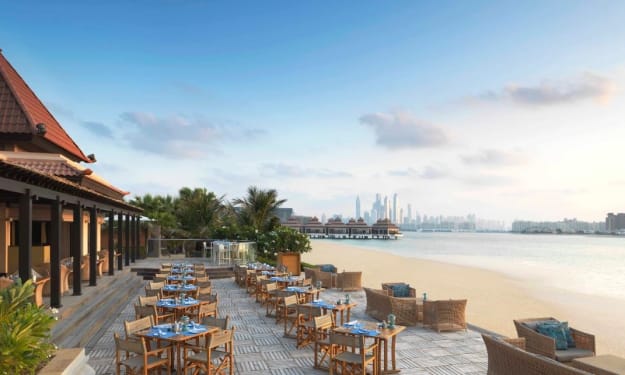
Encompassing soft white sands and shallow, crystal clear waters, the stunning beaches at Palm Jumeirah in Dubai seem like those straight off a picture postcard. These palm-lined coastal areas at this iconic destination are the perfect places to set your next beach retreat, as they offer a mixture of amenities which ensure a fun and relaxing time for all. Here is a guide to plan a hassle-free time on the sands in this area.
By Jeewanthi Armstronga day ago in Journal



Comments
There are no comments for this story
Be the first to respond and start the conversation.