
The Personal Computer: A Revolution in Technology
Exploring the Evolution and Impact of Personal Computers: A Comprehensive Guide
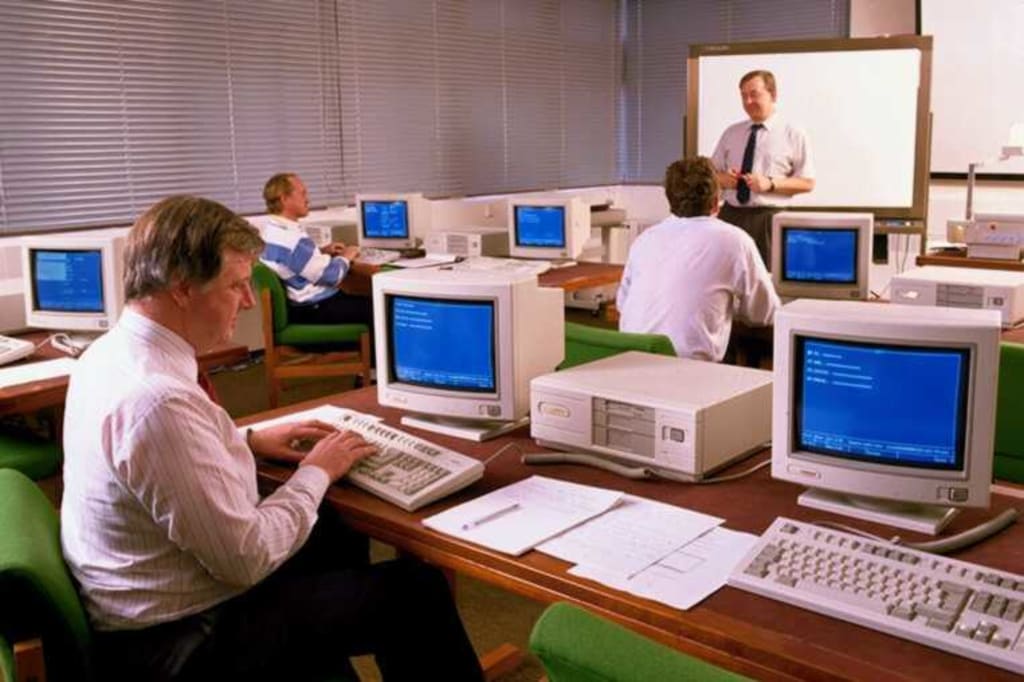
The personal computer (PC) has transformed the way we work, communicate, and interact with the world around us. From its humble beginnings to its current omnipresence, the PC has played a pivotal role in shaping modern society.
Historical Context
The concept of a personal computer began to take shape in the 1970s. Early models, like the Altair 8800 and the Apple I, were primarily hobbyist kits, designed for tech enthusiasts. However, it was the introduction of the IBM PC in 1981 that marked a significant turning point. This machine set the standard for personal computing, featuring an open architecture that allowed third-party software and hardware development.
Components of a PC
A typical personal computer consists of several key components:
Central Processing Unit (CPU): Often referred to as the brain of the computer, the CPU executes instructions and processes data.
Motherboard: This is the main circuit board that houses the CPU, memory, and other essential components, allowing them to communicate.
Memory (RAM): Random Access Memory temporarily stores data that the CPU needs while performing tasks, affecting the system’s speed and performance.
Storage: PCs typically use Hard Disk Drives (HDD) or Solid State Drives (SSD) to store data permanently. SSDs have become increasingly popular due to their faster read/write speeds.
Graphics Processing Unit (GPU): While some PCs rely on integrated graphics, dedicated GPUs are crucial for gaming, graphic design, and video editing.
Input and Output Devices: Keyboards, mice, monitors, and printers facilitate interaction with the computer.
The Evolution of Software
As hardware evolved, so did software. The development of operating systems like MS-DOS and later Windows provided user-friendly interfaces that made PCs accessible to the general public. The rise of the internet in the 1990s further expanded the utility of personal computers, introducing email, web browsing, and online gaming.
Today, PCs support a vast ecosystem of applications, from productivity software like Microsoft Office to creative tools like Adobe Creative Cloud. Open-source software has also gained popularity, providing alternatives to proprietary programs and fostering community-driven development.
The Impact on Society
The advent of personal computers has had profound effects on various aspects of society:
Workplace Transformation: PCs have automated tasks, increased productivity, and enabled remote work, changing the landscape of employment.
Education: Access to information has never been easier, with online courses and resources democratizing education.
Social Interaction: Social media and communication platforms have reshaped how we connect with others, breaking geographical barriers.
Entertainment: The PC has become a hub for gaming, streaming, and content creation, influencing popular culture.
Challenges and Considerations
Despite their many benefits, PCs also pose challenges. Cybersecurity threats, privacy concerns, and the digital divide are significant issues that need addressing. As technology advances, ensuring that all individuals have equal access to these resources is crucial.
The Future of PCs
Looking ahead, the personal computer is likely to continue evolving. Trends like artificial intelligence, virtual reality, and cloud computing are reshaping how we interact with technology. With the rise of hybrid devices that blur the lines between laptops, tablets, and smartphones, the definition of a PC may expand even further.
Conclusion
The personal computer has come a long way since its inception, becoming an integral part of our daily lives. As technology continues to advance, the PC will undoubtedly remain a vital tool for innovation, creativity, and connection in our increasingly digital world. Understanding its history and future potential allows us to appreciate the profound impact it has on our society.
About the Creator
How to Spend One Perfect Day in
Image by Unsplash If you only have one day in Singapore, you can still experience its energy, culture, food, and green spaces without feeling rushed. The city is compact, easy to navigate, and packed with memorable moments. With the right plan, you can enjoy iconic sights, local flavours, and a touch of nature all in 24 hours. Here’s how you can spend one perfect day in Singapore and make every hour count.
By haritha gunatilaka7 days ago in Journal
Review of 'Man on the Run'
My wife and I saw Man on the Run, a nearly 2-hour documentary on Amazon Prime, about Wings, Paul McCartney's group that flew around the world from shortly after The Beatles broke up in early 1970 to shortly after John Lennon was murdered at the end of 1980, making a Beatles reunion forever impossible.
By Paul Levinson6 days ago in Beat




Comments
There are no comments for this story
Be the first to respond and start the conversation.