
The Link Between Obesity and Cancer: New Study Reveals Alarming Findings
Obesity and Cancer: Unveiling the Disturbing Connection
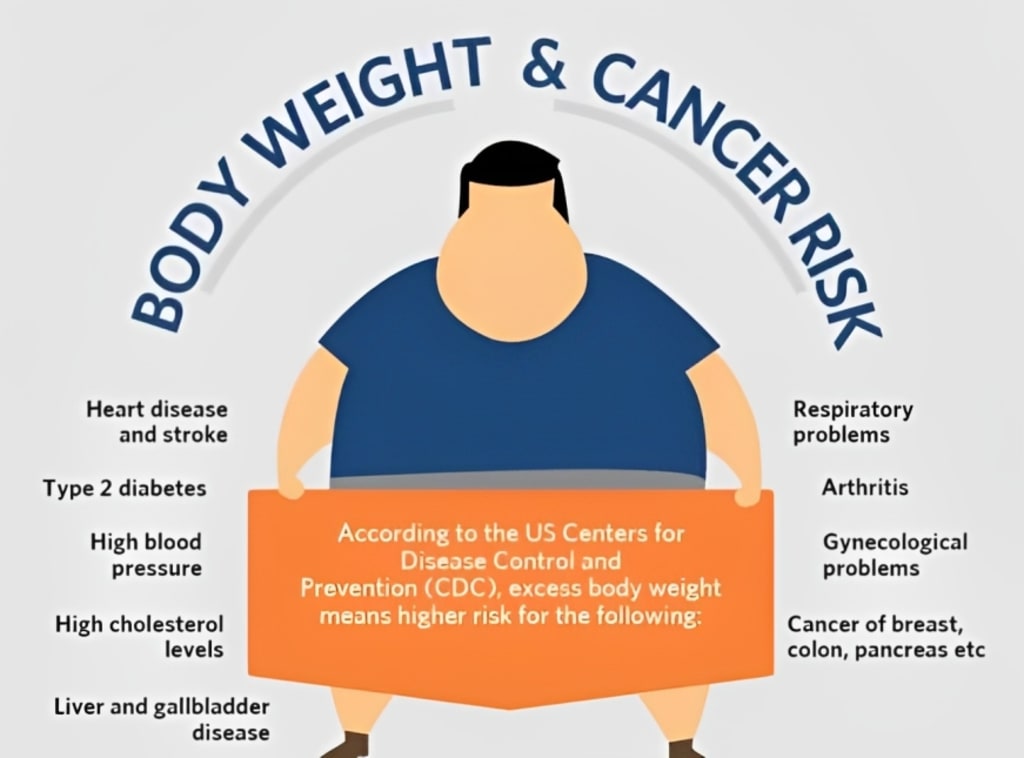
The substantial link between fat and cancer has been made clear by a recent study that was published in the journal Nature Communications. This ground-breaking study from the University of Oxford looked at data from over 2.6 million persons and found that obesity is now associated with 18 forms of cancer, up from the previously reported 13. The study emphasises the value of maintaining a healthy weight and the necessity for people to talk with their doctors about weight loss plans, especially if they are overweight or obese.
The Extent of the Problem
Over the last few decades, the incidence of obesity has increased at an alarming rate, turning it into a global epidemic. Over 1.9 billion persons were overweight in 2020, and more than 650 million of those were considered obese, according to the World Health Organisation (WHO). Since obesity is a known risk factor for many chronic disorders, such as cardiovascular disease, type 2 diabetes, and now a wider spectrum of malignancies, this sharp rise in obesity rates has important implications for public health.
Findings of the Study
The University of Oxford research methodically analysed a sizable dataset to investigate the connection between obesity and cancer. The researchers discovered that the risk of acquiring cancer was much greater in people who were overweight or obese after controlling for confounding factors including smoking, alcohol consumption, and family history. The study also found that early adulthood was the time period in which the risk was greatest, highlighting the need of maintaining a healthy weight throughout life.
Understanding the Mechanisms
Although the study concentrated on finding a connection between fat and cancer, the underlying processes are still being investigated. The higher cancer risk in those who are obese is thought to be caused by a number of causes, according to the researchers. Cancer cells are thought to originate and spread as a result of chronic inflammation, hormone abnormalities, and immune system modifications.
Types of Cancer Linked to Obesity
The results of the study showed a troubling association between obesity and a variety of malignancies. Leukaemia, non-Hodgkin lymphoma, bladder, head and neck, colorectal, postmenopausal breast, endometrial, pancreatic, multiple myeloma, corpus uteri, kidney, gallbladder, biliary tract, liver, bowel, thyroid, brain and central nervous system cancer were among the cancers found.
Empowering Individuals to Reduce Cancer Risk
It is crucial to emphasize that not everyone who is overweight or obese will develop cancer. However, the increased risk associated with obesity should not be underestimated. This study serves as a powerful reminder of the importance of maintaining a healthy weight through proper nutrition, regular physical activity, and lifestyle modifications. If you are overweight or obese, consulting with your healthcare provider is essential to discuss tailored strategies for weight loss and reducing the risk of cancer.
Public Health Implications
This study has broad repercussions for global public health programmes. Prioritising initiatives to prevent and treat obesity with a focus on holistic approaches that integrate education, access to wholesome meals, and opportunities for physical exercise. Additionally, medical personnel have to incorporate conversations about cancer prevention and weight management into normal patient care in order to increase awareness of the possible effects of obesity and encourage people to take proactive measures to live a healthy lifestyle.
The University of Oxford's most recent study emphasises the strong link between obesity and a wider variety of malignancies. The findings revealed in this research serves as a sharp reminder of the significance of maintaining a healthy weight, even though the underlying mechanisms are not yet completely understood. People can lower their chance of developing cancer and other chronic diseases by switching to better lifestyles. In order to enable everyone to make decisions that will improve their long-term health and well-being, let's work to build a society that values and encourages wellness.
About the Creator
Keep reading
More stories from Hitesh Kumar and writers in Journal and other communities.
The Transformational Effects of Sugar Abstaining
In today's contemporary society, sugar has permeated every aspect of our diets and may be found in innumerable processed foods and beverages in a variety of ways. However, a growing number of individuals are becoming aware of the harmful consequences excessive sugar consumption has on their health. If you're thinking about giving up sugar, you might be interested in the potential advantages and transformations that might take place. We will examine the beneficial advantages of eliminating sugar from your diet and how it might enhance your general wellbeing in this blog article.
By Hitesh Kumar3 years ago in Journal



Comments
There are no comments for this story
Be the first to respond and start the conversation.