
The Latest Trends in Residential Construction: What Builders Are Doing Differently
The Newest Trends and Techniques

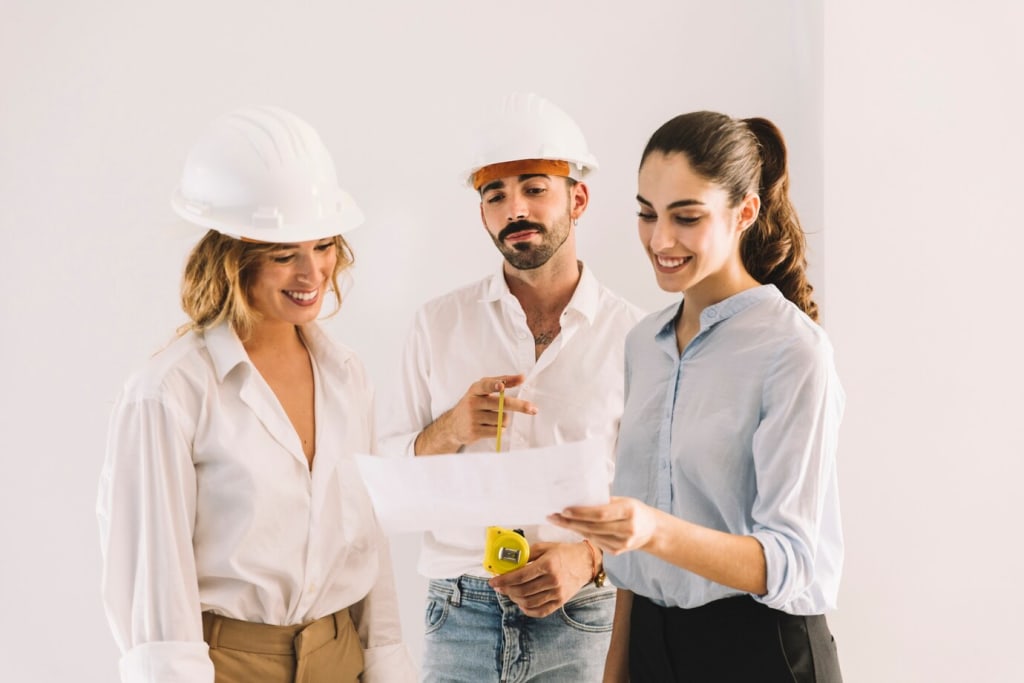
The residential construction industry is evolving rapidly, driven by changing consumer demands, technological advancements, and a growing focus on sustainability. Homebuyers today are looking for homes that offer more than just a place to live; they seek energy efficiency, smart technology, and innovative designs that enhance their quality of life. Builders are responding to these shifts by adopting new practices and materials that reflect the latest trends in residential construction. In this article, we explore what builders are doing differently to meet the demands of modern homebuyers.
1. Sustainable and Eco-Friendly Construction
One of the most significant changes in residential construction is the emphasis on sustainability. Builders are increasingly focused on creating eco-friendly homes that minimize environmental impact. This shift is driven by both consumer preferences and stricter environmental regulations.
Builders are now incorporating sustainable materials like reclaimed wood, recycled steel, and low-VOC (volatile organic compound) paints. Additionally, energy-efficient features such as high-performance insulation, double-glazed windows, and solar panels are becoming standard in many new homes. Many builders are also implementing "green" construction practices, such as reducing waste during the building process and sourcing materials locally to lower the carbon footprint.
Passive house design is another trend gaining momentum. This design philosophy emphasizes energy efficiency through the use of natural light, insulation, and ventilation systems, reducing the need for mechanical heating and cooling. Builders who adopt these techniques are creating homes that are both eco-friendly and cost-efficient for homeowners in the long run.
2. Smart Home Integration
As technology continues to advance, so does the demand for smart homes. Builders are increasingly incorporating smart home systems directly into new builds, allowing homeowners to control lighting, heating, security, and even appliances through their smartphones or voice-activated assistants like Alexa and Google Home.
Smart thermostats, video doorbells, automated lighting systems, and smart locks are just a few of the features that are becoming standard in new residential construction. These technologies not only offer convenience but also contribute to energy savings by allowing homeowners to optimize their home's energy usage.
Builders are also integrating more sophisticated home automation systems that allow for real-time monitoring of energy consumption, water usage, and indoor air quality. By offering fully connected homes, builders are meeting the growing demand for technology-driven living spaces that enhance comfort, safety, and efficiency.
3. Open-Concept and Flexible Living Spaces
In response to modern lifestyles, builders are rethinking the traditional layout of homes. Open-concept designs, where kitchens, dining rooms, and living areas blend into a single, expansive space, have become increasingly popular. This trend reflects the desire for homes that feel spacious and are conducive to socializing and family gatherings.
Another trend is the rise of multi-functional spaces. With the increase in remote work, builders are creating homes that offer flexible spaces that can serve as home offices, guest rooms, or workout areas. These adaptable rooms are designed to meet the changing needs of homeowners over time, offering more versatility than traditional room layouts.
Additionally, the shift towards indoor-outdoor living has gained momentum. Builders are incorporating large sliding doors, patios, and covered outdoor areas to create seamless transitions between interior and exterior spaces. This trend is particularly popular in regions with mild climates, as it enhances the usability of outdoor areas year-round.
4. Energy Efficiency and Net-Zero Homes
Energy efficiency is a top priority for both builders and homeowners, driven by rising energy costs and environmental concerns. Builders are now focusing on constructing net-zero homes, which produce as much energy as they consume. These homes are designed with energy-efficient technologies, such as solar panels, geothermal heating, and advanced insulation, to reduce their overall energy consumption.
Net-zero homes often include renewable energy systems that generate electricity on-site, allowing homeowners to significantly lower their utility bills. Many builders are also implementing energy recovery ventilation systems, which improve indoor air quality while reducing energy usage. These homes not only benefit the environment but also increase long-term savings for homeowners, making them an attractive option for today’s buyers.
5. Health and Wellness-Focused Designs

The COVID-19 pandemic has heightened awareness of health and wellness in the home, and builders are responding by designing spaces that promote physical and mental well-being. Features such as improved air filtration systems, non-toxic building materials, and increased natural light are becoming key components of new residential construction.
Builders are also incorporating biophilic design principles, which emphasize the connection between indoor spaces and nature. This can include features like green roofs, indoor plants, and large windows that bring in abundant natural light. Homes with wellness-focused designs are built to enhance the well-being of occupants by improving indoor air quality, promoting natural light, and reducing exposure to harmful chemicals found in traditional building materials.
Additionally, aging-in-place design is gaining traction. Builders are now designing homes that can adapt to the needs of aging homeowners by incorporating features such as wider doorways, step-free entrances, and accessible bathrooms. These designs allow homeowners to live comfortably in their homes for longer, regardless of age or mobility limitations.
6. Modular and Prefabricated Homes
Another trend that is gaining popularity is the use of modular and prefabricated construction methods. Modular homes are built in sections off-site and then assembled on location. This method reduces construction time and waste, as the components are manufactured in a controlled environment, which can lead to lower costs and faster completion times.
Prefabricated homes are particularly appealing to buyers looking for more affordable housing options. The precision of factory-built construction also allows for better quality control and energy efficiency, making modular homes an attractive choice for eco-conscious and budget-conscious buyers alike.
Builders who specialize in modular construction are also offering more customization options, allowing homeowners to personalize their homes while benefiting from the speed and efficiency of prefabrication.
7. Smaller, More Efficient Homes
In response to rising housing costs and changing lifestyle preferences, there is a growing trend toward building smaller, more efficient homes. These homes focus on maximizing space through clever design and storage solutions, allowing homeowners to enjoy a more minimalist lifestyle without sacrificing comfort.
Builders are now incorporating features like built-in shelving, multipurpose furniture, and open floor plans to make smaller spaces feel larger and more functional. The tiny home movement, which advocates for simpler living in compact, affordable spaces, has also influenced builders to create homes that prioritize quality over size.
Conclusion
The residential construction industry is undergoing a transformation as builders adapt to changing consumer preferences and technological advancements. From sustainable building practices and smart home integration to flexible living spaces and health-focused designs, today’s builders are doing things differently to meet the needs of modern homeowners. As these trends continue to shape the future of residential construction, we can expect to see more innovative, efficient, and eco-friendly homes that enhance the way we live.
By staying ahead of these trends, builders are not only meeting current demands but also helping to shape the future of home design, offering homes that are smarter, greener, and more adaptable than ever before.
About the Creator
Adam Williams
A content writer, strategist, copy editor and published author with a passion for travel, adventure, and emerging technology.
Keep reading
More stories from Adam Williams and writers in Journal and other communities.
10 Best Christmas Lights for Stunning Outdoor Decorations
Outdoor Christmas lights have become a cherished tradition during the holiday season, adding warmth and cheer to homes and neighborhoods around the world. The custom of decorating with lights dates back to the 17th century when candles were used to adorn Christmas trees. Today, advancements in technology have brought forth a dazzling array of lighting options, from traditional incandescent lights to energy-efficient LED strands. In this article, we will explore the best outdoor Christmas lights for creating stunning decorations, providing tips for selection, installation, and maintenance to help you illuminate your outdoor spaces with festive brilliance.
By Adam Williamsabout a year ago in Journal
The goals I did not achieve
Every writing goal I made for the year is a wash. It has been this way for a while, but I think it's important to be open about my failures and the reality of how life can get in the way. This is especially true considering the several times I have posted on Vocal about my writing goals, how I was changing my approach, and where I was hoping to be for the upcoming year. I will probably do that again in a couple months, but for now, it is time to acknowledge where I am today.
By Kay Husnick21 days ago in Journal
Michael Mollod and the Engineering Principles Behind Scalable Robotics
Robotics Designed for Continuous Change Robotics engineering now operates in environments defined by constant motion and evolving demands. Automation systems are no longer isolated from people or shielded from variability. They function in warehouses with changing layouts, factories with shifting production goals, and research settings that intentionally introduce uncertainty. This reality requires a new standard for how robots are designed and evaluated.
By Michael Mollodabout 3 hours ago in Journal




Comments
There are no comments for this story
Be the first to respond and start the conversation.