
The Kremlin’s Brazen Tactics: Russia’s Shadow Fleet Doubling as a Spy Asset, Intelligence Sources Say
How Russia’s covert maritime network is turning commercial vessels into floating intelligence hubs, challenging global security and sanctions enforcement"

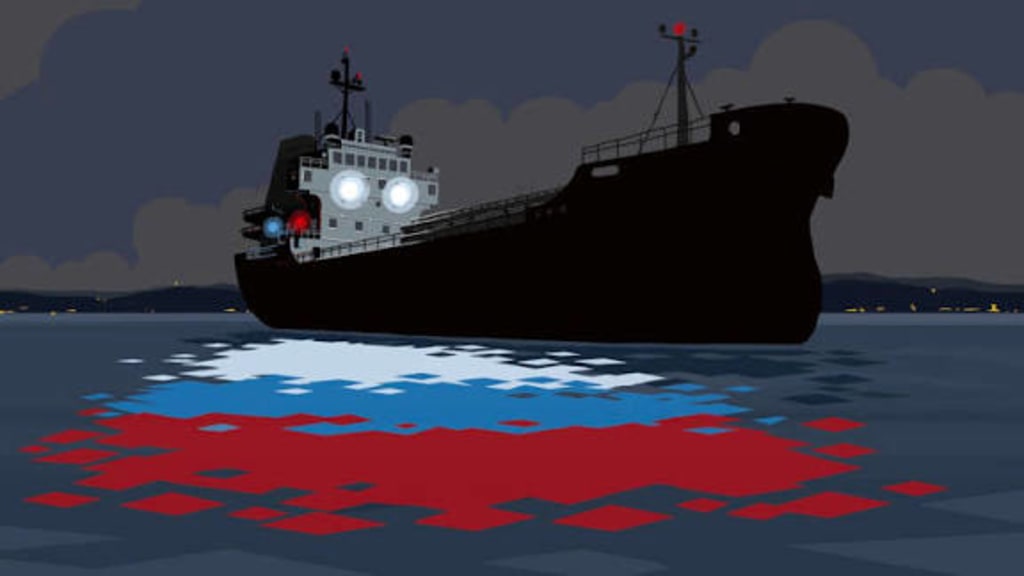
In a development that has sent ripples through international intelligence communities, sources reveal that Russia’s so-called “shadow fleet” is serving a dual purpose: not only transporting sanctioned goods and circumventing Western restrictions but also acting as a covert intelligence-gathering tool. This revelation sheds light on the increasingly sophisticated and audacious strategies employed by Moscow in the context of global geopolitics and the ongoing conflict in Ukraine.
A Shadow Fleet With a Hidden Agenda
The term “shadow fleet” refers to a network of vessels, often operated by Russian private companies, that engage in the discreet movement of oil, gas, and other strategic commodities. While these ships have long been suspected of evading international sanctions, intelligence sources now indicate that they are also equipped with advanced surveillance equipment capable of monitoring foreign naval activity, communication signals, and potentially sensitive maritime operations.
Officials familiar with the matter describe this fleet as a “floating intelligence apparatus,” capable of transmitting real-time data back to Russian military and security agencies. This revelation complicates Western efforts to monitor maritime activity in contested regions such as the Black Sea, the Arctic, and the Mediterranean.
Strategic Implications for Global Security
The dual-use nature of these vessels presents a unique challenge for NATO and allied countries. While efforts have primarily focused on tracking illicit trade and enforcing sanctions, the intelligence-gathering component introduces a security dimension that extends far beyond economics. Western naval analysts argue that the shadow fleet’s surveillance capabilities could be used to track military movements, anticipate deployments, and even disrupt communications, giving Russia a strategic advantage in ongoing and future conflicts.
This intelligence aspect also underscores Moscow’s willingness to blur the lines between commercial and military operations, a tactic reminiscent of hybrid warfare strategies that combine conventional, cyber, and covert actions to achieve geopolitical goals.
Circumventing Sanctions and Gaining Tactical Advantage
Sanctions imposed by the European Union, the United States, and other global powers have targeted Russia’s energy exports and financial networks. The shadow fleet, by discreetly transporting oil and gas, has already challenged these measures. However, intelligence sources suggest that the fleet’s covert surveillance has an equally important objective: mapping vulnerabilities in Western monitoring systems and identifying opportunities for future operations.
Analysts note that while shadow fleets have been used historically by various countries to evade restrictions, Russia’s integration of intelligence functions into these commercial vessels marks a significant escalation in sophistication. It signals an understanding that information is as valuable as physical resources in modern conflict.
International Responses and Countermeasures
Western intelligence agencies are reportedly stepping up efforts to track these vessels more closely, deploying satellite imagery, electronic signal interception, and naval patrols to counter the dual-use threat. Countries bordering strategic waterways are increasingly wary of the fleet’s activities, prompting discussions about tighter maritime security, stricter monitoring of shipping lanes, and increased collaboration between naval forces.
Experts emphasize that countering such tactics requires not only technology but also legal and diplomatic measures. Nations enforcing sanctions are exploring ways to tighten oversight, improve vessel tracking mechanisms, and share intelligence internationally to prevent these floating intelligence platforms from undermining global security.
A Glimpse Into Russia’s Calculated Boldness
The revelation about the shadow fleet’s espionage role offers a glimpse into the Kremlin’s calculated approach to international affairs. By turning commercial assets into intelligence platforms, Russia maximizes its operational reach while maintaining plausible deniability. This tactic allows Moscow to expand its influence in contested regions, monitor adversary movements, and shape geopolitical outcomes without overt military engagement.
Intelligence officials warn that the shadow fleet is just one example of a broader strategy in which economic, military, and cyber assets are leveraged simultaneously. The sophistication and audacity of these operations highlight the evolving nature of modern conflict and the challenges faced by countries seeking to maintain stability in a multipolar world.
Looking Ahead
As Russia continues to employ innovative strategies to circumvent sanctions and gather intelligence, Western powers are being forced to adapt. The shadow fleet represents a fusion of commerce and espionage, demonstrating that in today’s geopolitical landscape, the battlefield extends far beyond traditional frontlines.
Observers conclude that understanding and countering such hybrid threats will be crucial in ensuring maritime security, protecting global trade, and maintaining strategic balance. The Kremlin’s shadow fleet may operate in secrecy, but its impact on international security is anything but hidden.
About the Creator
Fiaz Ahmed Brohi
I am a passionate writer with a love for exploring and creating content on trending topics. Always curious, always sharing stories that engage and inspire.
Keep reading
More stories from Fiaz Ahmed Brohi and writers in Journal and other communities.
Don’t Let Matilda’s Death Fuel Anger”: Family’s Powerful Plea at Funeral of Bondi Victim, 10
The funeral of Matilda, the 10-year-old girl who lost her life in the tragic Bondi incident, became more than a farewell—it turned into a profound call for compassion, unity, and restraint. As mourners gathered to honor a life cut heartbreakingly short, Matilda’s family delivered a message that resonated far beyond the church walls: do not let her death become a source of anger or division.
By Fiaz Ahmed Brohi3 months ago in Journal
Author’s Advice
If you would’ve asked me 20 years ago did I know I’d become a writer and an author, I would’ve said “nope, ain’t happening”. As fate would have it I did become an author and I can honestly say I’m loving it so far. It really does feel good to be a writer. I’ve learned a lot on this journey and I feel like with even me being as new to this world as I am, there’s some wisdom I need to share with every other aspiring author.
By Joe Patterson4 days ago in Journal
5 Methods to Make Money with Pinterest — Passive Income
If you search on YouTube or the internet, you will find how people use Pinterest and make thousands of bucks every month. You might be familiar with Pinterest, or you might use it to scroll down and get ideas. But Pinterest is much more than what you think.
By makelivingonline2 days ago in Journal
A Transparent Look at Vocal Challenges and Top Stories
Almost three years ago, we shared a resource article that served as a place for people to suggest new challenge prompts. We thought it would be a good idea to refresh that thread, and take the opportunity to answer a few common questions about top stories, how challenges are judged and how submissions are reviewed.
By Vocal Curation Team4 days ago in Resources




Comments
There are no comments for this story
Be the first to respond and start the conversation.