

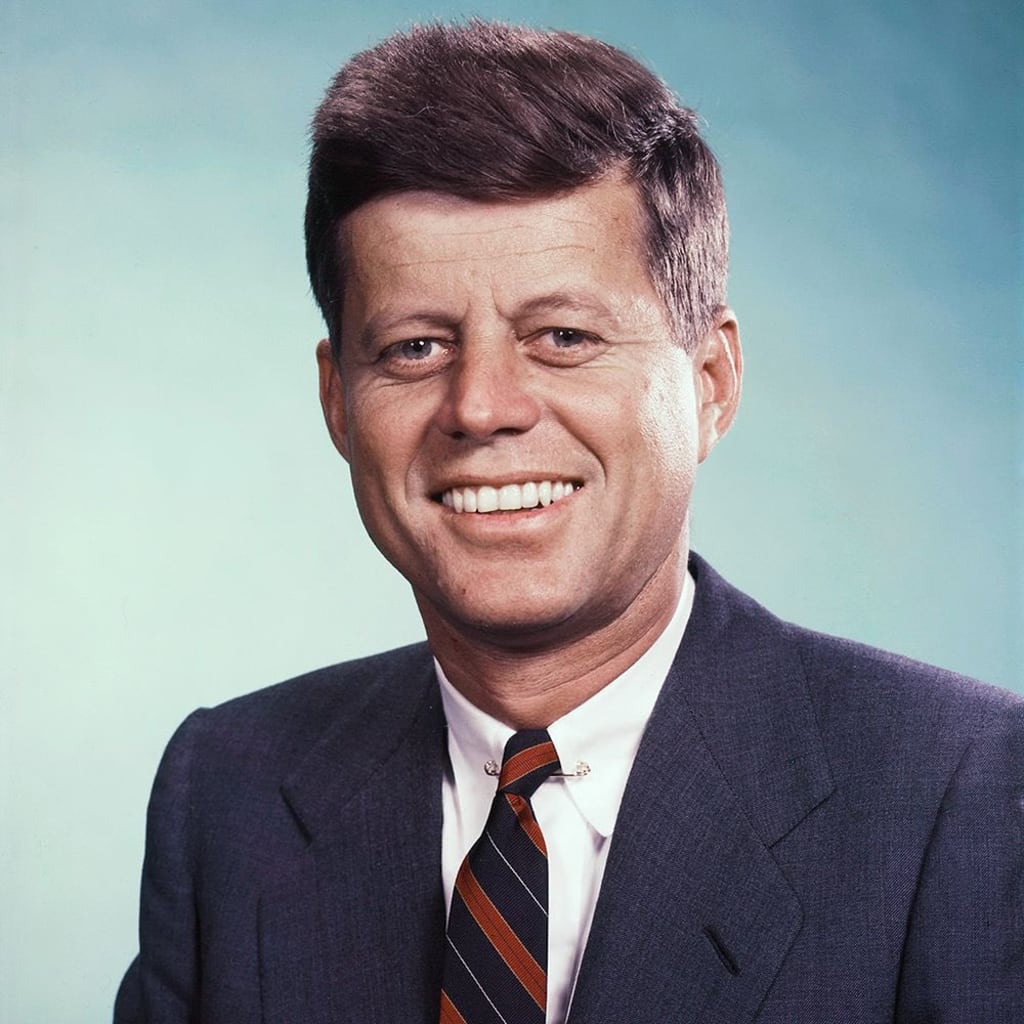
The JFK Files: A Comprehensive Summary
Introduction
The assassination of President John F. Kennedy on November 22, 1963, in Dallas, Texas, remains one of the most analyzed and debated events in American history. Despite the Warren Commission's official report stating that Lee Harvey Oswald acted alone, countless conspiracy theories have persisted for decades. To address public demand for transparency, the U.S. government began releasing classified documents related to the case, collectively known as the "JFK files."
The JFK files consist of millions of pages from various agencies, including the CIA, FBI, and Secret Service. They contain reports, interviews, surveillance records, and communications from the period surrounding the assassination. Although most files have been made public, some remain redacted or classified.
The Background: The Assassination of JFK
President Kennedy was shot while riding in a motorcade in Dealey Plaza, Dallas. Oswald, a former Marine and known Marxist, was arrested shortly after but was killed by nightclub owner Jack Ruby two days later. The Warren Commission concluded in 1964 that Oswald acted alone. Nevertheless, doubts about this conclusion have persisted, prompting further investigations and public demand for the release of government files.
The Push for Declassification
In the wake of the 1991 film JFK by Oliver Stone, which questioned the official narrative, public pressure mounted to release all relevant documents. In 1992, Congress passed the President John F. Kennedy Assassination Records Collection Act, mandating the full disclosure of all related files by October 2017, unless a clear national security reason justified withholding them.
On October 26, 2017, and subsequent years, the National Archives released a vast trove of documents. Some were fully declassified, while others were partially redacted or held back due to national security concerns.
Key Themes and Revelations in the JFK Files
1. Intelligence and Surveillance on Lee Harvey Oswald
The released documents reveal that Oswald was on the FBI and CIA radar long before the assassination. Some key findings include:
Oswald’s Defection to the Soviet Union: Oswald moved to the USSR in 1959, declaring his intention to renounce his U.S. citizenship. Documents suggest that both the FBI and CIA were closely monitoring him.
KGB Surveillance: The files reveal that the KGB kept Oswald under constant surveillance during his stay in the Soviet Union, suspecting him of being a CIA agent.
Cuba Connections: Oswald’s attempts to establish ties with pro-Castro organizations and his visit to the Cuban embassy in Mexico City raised red flags among U.S. intelligence agencies.
2. Conspiracy Theories and Investigations
The files also include numerous reports on conspiracy theories, such as the alleged involvement of organized crime, the CIA, or foreign governments. Noteworthy insights include:
CIA-Mafia Collaborations: The files confirm that the CIA had collaborated with organized crime figures to assassinate Cuban leader Fidel Castro, fueling speculation that these same networks could have been involved in JFK’s death.
FBI Concerns about Public Perception: Documents reveal that FBI Director J. Edgar Hoover was deeply concerned about public disbelief in Oswald’s guilt and was determined to present evidence that he acted alone.
3. Jack Ruby and the Mafia
The files shed new light on Jack Ruby, Oswald’s killer. Ruby’s connections to organized crime figures were documented extensively, but there is no conclusive proof of his direct involvement in a conspiracy.
Ruby’s Alleged Motive: Some documents hint that Ruby wanted to protect Jacqueline Kennedy from the pain of a public trial.
Gangster Connections: Ruby’s ties to mafia figures in Chicago and New Orleans continue to fuel theories about organized crime involvement.
4. International Intrigue: Soviet and Cuban Involvement
The files reveal Cold War anxieties, particularly concerns that the Soviet Union or Cuba might have been behind the assassination.
Soviet Fears of Retaliation: KGB reports suggest that Soviet leaders were worried that Kennedy’s death would be blamed on Moscow, possibly provoking a nuclear conflict.
Cuban Intelligence Activities: Documents also mention that Cuban operatives were aware of Oswald’s pro-Castro stance and were cautious about his unstable behavior.
5. Internal Tensions: CIA and FBI
The files reveal a lack of coordination between the CIA and FBI, as both agencies gathered intelligence independently without effective communication. This gap has led to criticism that the assassination might have been prevented with better collaboration.
Lack of Coordination: The FBI’s local offices had incomplete information about Oswald’s activities due to CIA secrecy.
Failures to Act: Some documents hint that warnings from informants about potential threats to JFK were not properly followed up.
The Aftermath: Public Reactions and Analysis
Since their release, researchers, historians, and journalists have combed through the files looking for definitive answers. While the documents have illuminated previously hidden aspects of Oswald’s life and intelligence operations, they have not definitively proved or disproved any conspiracy theories.
Public and Scholarly Reactions
The public's response to the releases has been mixed, with some finding validation for conspiracy theories and others feeling that the files do not change the fundamental conclusion of Oswald acting alone.
Historians’ Take: Many historians caution against drawing hasty conclusions from fragmented data.
Conspiracy Theorists’ View: Some see the files as confirmation that the government covered up the true circumstances of the assassination.
Why Some Files Are Still Classified
Despite most files being released, thousands of pages remain withheld or redacted. These documents are believed to contain sensitive information about intelligence-gathering methods or identities of foreign operatives. Some believe that the withheld files could contain the "smoking gun" that reveals a broader conspiracy, while others think they are mundane or irrelevant to the assassination itself.
National Security Concerns
Successive presidents have delayed full disclosure, citing national security concerns. Some experts argue that releasing these documents could reveal the names of informants or intelligence methods still in use.
Debunking Common Myths
Many conspiracy theories remain popular, despite the release of files that refute them:
Grassy Knoll Theory: No conclusive evidence supports the idea of a second shooter on the grassy knoll.
CIA Involvement: While the CIA monitored Oswald and engaged in questionable operations, no direct link to JFK’s assassination has been found.
Mob Ties: While Jack Ruby’s connections to organized crime are acknowledged, there is no hard evidence of mafia orchestration of the assassination.
Conclusion
The JFK files offer a fascinating glimpse into Cold War paranoia, intelligence failures, and the persistence of conspiracy theories. They reveal a chaotic and secretive intelligence community and a nation struggling to understand a shocking tragedy. While they illuminate many aspects of the case, they also leave many questions unanswered, preserving the mystery that continues to captivate the public decades later.
The lingering secrecy fuels suspicions, and the fact that some documents remain classified only adds to the intrigue. Regardless of one’s stance on the assassination, the JFK files remain a significant chapter in American history, reflecting both the thirst for truth and the complexity of uncovering it.
About the Creator
Yeasin Arafat
🌟 Storyteller & Writer ✍️ | Sharing tales of growth, motivation, and mental health 💪🧠| Crafting fiction, poetry, and thought-provoking insights 🌌| Exploring tech trends and real-life stories and more📺✨
Keep reading
More stories from Yeasin Arafat and writers in Journal and other communities.
Gaza Under Siege
Gaza Under Siege: A Humanitarian Crisis Unfolding As of May 2025, the Gaza Strip faces one of the most severe humanitarian crises in recent memory. With continuous airstrikes, an ongoing blockade, and limited humanitarian access, the region is under immense pressure, both physically and emotionally. Civilians, including children and the elderly, are bearing the brunt of the conflict.
By Yeasin Arafat10 months ago in Journal
The Couple We All Watched Grow Up
I didn’t know them. But I felt like I did. For over a decade, they were part of my life—not as celebrities, but as characters in a story I watched unfold in real time. I saw them at seventeen, awkward and bright-eyed on red carpets, fumbling through interviews, hiding smiles behind their hands. I saw them navigate fame, heartbreak, and the slow, steady work of becoming adults—all while the world watched, judged, and claimed ownership of their journey.
By KAMRAN AHMAD4 days ago in Journal




Comments
There are no comments for this story
Be the first to respond and start the conversation.