
The Invisible Backpack: Unpacking the Weight of Social Pressures on Youth Mental Health
How Social Pressures Shape the Mental Health of Today’s Youth?

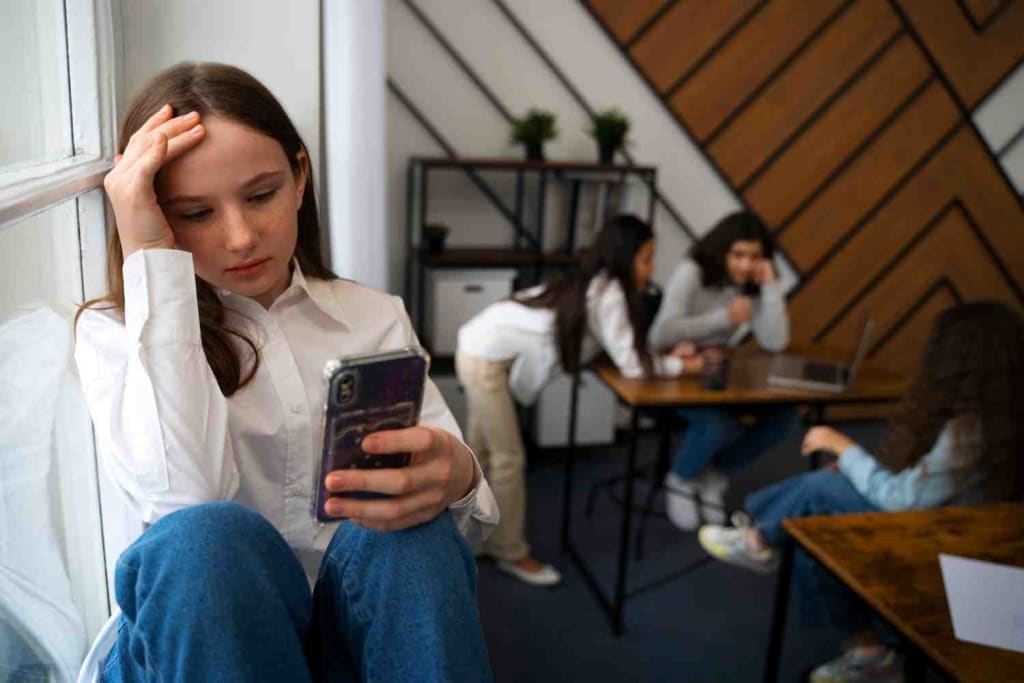
The youth mental health crisis has become a growing concern as young people face increasing levels of stress, anxiety, and emotional challenges. However, what often goes unnoticed is the invisible backpack that these young individuals carry daily.
This metaphorical backpack is packed with social pressures like school expectations, peer influence, societal norms, and the constant comparisons we make on social media.
Even though these pressures are often invisible, they can greatly affect the mental health of young people.
In this article, we will unpack these social pressures, explore how they affect emotional wellness, and discuss what steps can be taken to ease the burden.
By the end, you’ll understand how these pressures contribute to the youth mental health crisis and what can be done to support young people.
Key Takeaways:
- Social pressures, both seen and unseen, heavily impact youth mental health
- Schools, families, and communities must work together to reduce these pressures and support emotional wellness
- Building resilience in students through support systems can improve both student mental health and long-term outcomes
Understanding the Invisible Burden on Youth Mental Health
Young people today are expected to juggle a wide range of responsibilities, from excelling academically to maintaining an active social life.
The accumulation of these stressors creates an invisible backpack of social pressures that significantly impacts their mental well-being.
Although this burden isn’t visible to the eye, it is deeply felt in the minds and emotional health of children and youth.
As the youth mental health crisis grows, it's important to recognize these hidden stressors and how they impact young people's emotional well-being.
Social pressures can come from many directions—parents, teachers, peers, or even societal standards.
These pressures can be overwhelming, leading to mental health problems such as anxiety, depression, and other emotional challenges.
The Many Faces of Social Pressure Impacting Youth Mental Health
1. Societal Expectations and the Perfection Trap
Society often places immense pressure on young people to achieve perfection. Whether it’s excelling academically, conforming to physical beauty standards, or following expected behavior, the perfection trap can lead to serious consequences for emotional and behavioral health.
The constant demand for perfection creates an environment where even minor setbacks can cause significant distress.
This push for perfection doesn’t allow room for mistakes or failures, leading to a fear of falling short.
As a result, young people may start using unhealthy ways to cope, like avoiding activities they used to enjoy or feeling emotionally burnout.
2. Social Media: A Double-Edged Sword for Youth Mental Health
The Rise of Social Media and Its Influence on Self-Worth
Social media has become a central part of young people’s lives, but its influence isn’t always positive.
On one hand, social media allows for connection and self-expression, but on the other, it fosters a comparison culture that can damage youth mental health.
As young people engage with carefully curated content online, they may feel inadequate when comparing themselves to others, leading to diminished self-worth.
This constant comparison can feed into feelings of anxiety, depression, and isolation. For many children and youth, the pressure to present a perfect life on social media becomes overwhelming, negatively impacting their emotional health.
To help combat these issues, it's important to protect your child’s mental health and development by balancing screen time.
Fear of Missing Out (FOMO) and Its Psychological Impact
The fear of missing out (FOMO) is another common psychological effect of social media. Young people might feel left out of experiences, which can increase feelings of inadequacy and anxiety.
Social media platforms amplify this fear, as users are constantly bombarded with images of friends attending events or engaging in activities that they feel excluded from.
FOMO feeds directly into anxiety and stress, further impacting student mental health.
As children and youth strive to keep up with their peers online, they can experience increasing levels of emotional and behavioral challenges.
3. Peer Pressure
Peer pressure remains a powerful force that impacts youth mental health. Young people often feel the need to conform to their peers’ expectations, whether it’s regarding appearance, behavior, or lifestyle choices.
This pressure to "fit in" can be both explicit and implicit, pushing students to engage in risky behaviors or compromise their values.
For some, failing to conform to peer expectations results in feelings of isolation or rejection, which in turn affects emotional health.
This need to belong can have a lasting impact, contributing to mental health disorders such as anxiety or depression.
4. Academic Expectations and the Fear of Failure
Academic success is often held as a marker of worth in many cultures. The pressure to achieve high grades, excel in standardized tests, and gain admission to prestigious colleges adds immense strain to student wellness.
When students are constantly faced with high expectations, the fear of failure becomes a significant emotional burden.
This fear can manifest in various ways, including anxiety, perfectionism, and avoidance of challenging tasks.
Students who feel overwhelmed by academic pressures may also withdraw from social activities, worsening their mental health conditions.
As academic pressures mount, they contribute significantly to the youth mental health crisis.
The Weight of Socioeconomic and Cultural Pressures on Youth Mental Health
Economic Disparities and Their Psychological Toll
For children and youth from lower socioeconomic backgrounds, social pressures are often compounded by financial instability.
The stress of financial insecurity, lack of access to mental health care, and limited opportunities can significantly affect emotional wellness.
Young people in these situations often face additional challenges, such as balancing school responsibilities with part-time jobs or caring for family members.
This added layer of stress takes a toll on their mental health, as they are often left feeling unsupported and isolated.
Addressing the mental health needs of young people from disadvantaged backgrounds requires targeted interventions that provide both emotional support and practical resources.
Cultural Expectations and Identity Struggles
Cultural expectations can also add pressure to young people, especially those navigating multiple identities.
For children and youth from immigrant or minority backgrounds, balancing cultural norms with societal expectations creates significant internal conflict.
These young people may feel pulled between honoring their family’s values and adapting to the dominant culture around them.
This identity struggle can contribute to mental health problems such as anxiety, depression, and feelings of isolation.
Cultural pressures often leave young people feeling like they don’t fully belong in either world, further straining their emotional well-being.
The Psychological Impact of Social Pressure: A Deep Dive into Youth Mental Health
Anxiety Disorders and Social Pressures
Anxiety disorders are one of the most common mental health conditions affecting youth, and social pressures play a significant role in their development.
Whether it’s pressure from academics, peers, or social media, the constant demand to meet expectations leaves young people feeling stressed and overwhelmed.
Managing these stressors without adequate support often leads to long-term anxiety, which can impact not only emotional wellness but also academic performance and overall quality of life.
Depression: When the Weight Becomes Overwhelming
Depression is another mental health disorder that frequently results from unrelenting social pressure.
The ongoing need to meet societal, academic, or peer-related expectations can leave young people feeling hopeless or detached from their surroundings.
Over time, this emotional exhaustion can lead to chronic depression, negatively affecting all areas of life.
For many students, depression manifests as a loss of interest in previously enjoyed activities, difficulty concentrating, and ongoing sadness.
Addressing these mental health challenges requires understanding and reducing the social pressures that contribute to them.
Chronic Stress and Long-Term Mental Health Implications
Chronic stress caused by social pressures can lead to long-term mental health issues.
Young people who experience prolonged periods of stress may struggle to cope with challenges in adulthood, increasing their risk for mental health disorders later in life.
These stressors not only affect emotional health but can also impact physical well-being, as chronic stress has been linked to a variety of health issues.
Supporting youth mental health involves recognizing these chronic stressors and finding ways to alleviate them through targeted interventions and support systems.
Unpacking Solutions: Lightening the Invisible Backpack
1. Building Resilience Through Social-Emotional Learning (SEL)
To help students cope with social pressures, schools can implement Social-Emotional Learning (SEL) programs.
SEL equips students with essential student social skills like managing emotions, building healthy relationships, and making responsible decisions.
By fostering emotional wellness, SEL helps young people develop resilience, reducing the impact of social pressures on their mental health.
2. Creating a Support System: Schools, Families, and Communities
Addressing youth mental health requires collaboration between schools, families, and communities.
By creating a strong support system, young people can better navigate social pressures. Schools can foster open conversations about mental health, while families can provide a safe space for children to express their feelings.
Communities can also play a role by promoting mental health care and encouraging young people to seek help when needed.
3. Reducing Stigma Around Mental Health
One of the biggest obstacles to addressing the youth mental health crisis is the stigma associated with seeking help.
Encouraging children and youth to talk openly about their mental health can help reduce the shame or fear associated with mental health conditions.
Schools, families, and communities must work together to normalize discussions around mental health, making it easier for young people to get the support they need.
Conclusion
The invisible backpack of social pressures that children and youth carry is a heavy burden, impacting their emotional wellness and contributing to the youth mental health crisis.
By understanding these pressures and working together to address them, we can help lighten the load and ensure that young people thrive, not just survive.
Building resilience, fostering open communication, and reducing stigma are essential steps toward improving student mental health and creating a supportive environment where children and youth feel understood and valued.
The time for action is now, and by working together, we can protect the mental health of future generations.



Comments
There are no comments for this story
Be the first to respond and start the conversation.