
The Influences and Negative Effects of Social Media Platforms on This Generation
Understanding the Popularity, Risks, and Ways to Mitigate the Negative Effects of Social Media Platforms

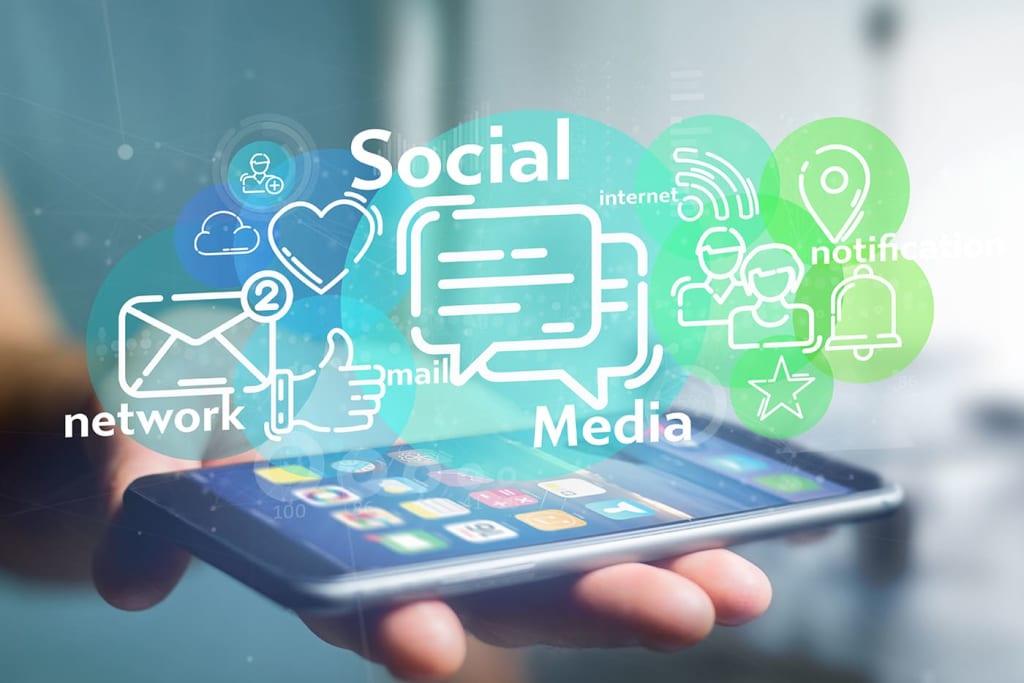
Social media platforms have become a ubiquitous presence in the modern world. From Facebook and Twitter to Instagram and TikTok, these platforms have become an essential part of our daily lives. They have transformed the way we communicate, connect, and consume information. However, the growing popularity of social media platforms has also raised concerns about their negative effects on this generation. In this article, we will explore the influences and popularity of social media platforms, as well as their negative effects on this generation.
Influences of Social Media Platforms
Social media platforms have a significant impact on our daily lives, including our social behavior, mental health, and relationships. One of the primary influences of social media is on our social behavior. Social media platforms have transformed the way we communicate and interact with each other. They have made it easier for us to connect with people from all over the world and share our thoughts and ideas.
However, social media has also led to the development of new social behaviors, such as the need for instant gratification and the fear of missing out (FOMO). Social media platforms like Instagram and Snapchat are designed to provide instant gratification, where users can quickly see the likes, comments, and shares on their posts. This has led to the development of a culture where people are obsessed with getting more likes, followers, and shares. This, in turn, has led to the development of the FOMO phenomenon, where people are afraid of missing out on social events or opportunities.
Another influence of social media is on our mental health. The constant use of social media platforms has been linked to increased levels of anxiety, depression, and stress. Social media platforms are designed to keep users engaged and hooked, and this can lead to addiction and other mental health problems. Studies have shown that the constant use of social media platforms can lead to sleep deprivation, low self-esteem, and poor body image.
Finally, social media platforms have had a significant impact on our relationships. Social media platforms have made it easier for us to connect with people from all over the world, but they have also made it easier for us to disconnect from the people around us. Studies have shown that the use of social media platforms has led to a decline in face-to-face communication and social interaction. This can lead to loneliness, isolation, and other social problems.
Popularity of Social Media Platforms
Despite the negative effects of social media, these platforms continue to grow in popularity. According to recent statistics, there are over 4.2 billion social media users worldwide, and this number is expected to grow to 4.7 billion by 2025. This shows that social media platforms are an essential part of our daily lives, and they are here to stay.
One of the reasons for the popularity of social media platforms is their convenience. Social media platforms are easily accessible and available on a variety of devices, including smartphones, tablets, and computers. This makes it easy for users to access social media platforms wherever they are and whenever they want.
Another reason for the popularity of social media platforms is their entertainment value. Social media platforms are designed to be entertaining, with a wide range of content, including memes, videos, and photos. This makes social media platforms a source of entertainment for many people, especially young people.
Finally, social media platforms are popular because they provide a sense of community and belonging. Social media platforms allow users to connect with like-minded individuals and form communities based on shared interests and beliefs. This can be especially important for people who feel isolated or marginalized in their offline lives.
Negative Effects of Social Media Platforms on This Generation
Despite the popularity of social media platforms, they have negative effects on this generation. The constant use of social media platforms can lead to addiction, anxiety, depression, and other mental health problems. Here are some of the negative effects of social media platforms on this generation:
Cyberbullying: Social media platforms have made it easier for bullies to harass and intimidate their victims. Cyberbullying can take many forms, including online harassment, trolling, and spreading rumors. The anonymity of social media platforms can make it difficult to identify and stop cyberbullies, and this can have a devastating effect on the mental health of victims.
Comparison and Self-esteem Issues: Social media platforms are designed to showcase the best parts of people's lives, which can lead to constant comparisons with others. This can lead to a decline in self-esteem and feelings of inadequacy. The constant pressure to present a perfect image can also lead to anxiety and depression.
Sleep Deprivation: The constant use of social media platforms can lead to sleep deprivation, which can have a negative effect on mental health and overall well-being. The blue light emitted by electronic devices can disrupt sleep patterns, making it harder to fall asleep and stay asleep.
Addiction: Social media platforms are designed to keep users engaged and hooked, and this can lead to addiction. The constant need for instant gratification can make it difficult to disconnect from social media platforms, even when it's time to focus on other things.
Relationship Problems: Social media platforms have been linked to relationship problems, including jealousy, mistrust, and infidelity. The constant access to other people's lives can make it difficult for some people to maintain healthy relationships.
Lack of Privacy: Social media platforms can make it difficult to maintain privacy, as users are often encouraged to share personal information and photos. This can lead to identity theft, stalking, and other privacy concerns.
Conclusion
Social media platforms have become an essential part of our daily lives, transforming the way we communicate, connect, and consume information. However, the growing popularity of social media platforms has also raised concerns about their negative effects on this generation. The constant use of social media platforms can lead to addiction, anxiety, depression, and other mental health problems. It can also lead to cyberbullying, comparison and self-esteem issues, sleep deprivation, relationship problems, and lack of privacy.
As users of social media platforms, it's important to be aware of the negative effects and take steps to mitigate them. This can include setting limits on social media use, taking breaks from social media platforms, and prioritizing face-to-face communication and social interaction. It's also important for social media companies to take responsibility for the negative effects of their platforms and take steps to address them. This can include implementing measures to prevent cyberbullying, promoting healthy social media use, and protecting user privacy. By working together, we can ensure that social media platforms continue to be a positive influence on our lives, while minimizing their negative effects.
About the Creator
Abli
"People write because no one listens"
Author’s Advice
If you would’ve asked me 20 years ago did I know I’d become a writer and an author, I would’ve said “nope, ain’t happening”. As fate would have it I did become an author and I can honestly say I’m loving it so far. It really does feel good to be a writer. I’ve learned a lot on this journey and I feel like with even me being as new to this world as I am, there’s some wisdom I need to share with every other aspiring author.
By Joe Patterson4 days ago in Journal
Mastering Operational Excellence
In today’s fast-paced business environment, organizations are constantly searching for ways to stay competitive, maintain quality, and scale efficiently. While strategy, innovation, and market positioning are important, the true differentiator often lies in operational excellence. It’s not a buzzword—it’s a discipline that transforms ordinary organizations into high-performing, resilient enterprises.
By Kenneth Kremsky4 days ago in Journal




Comments
There are no comments for this story
Be the first to respond and start the conversation.