
The Importance of Variety in Your Parrot's Diet
What Do Parrots Eat?
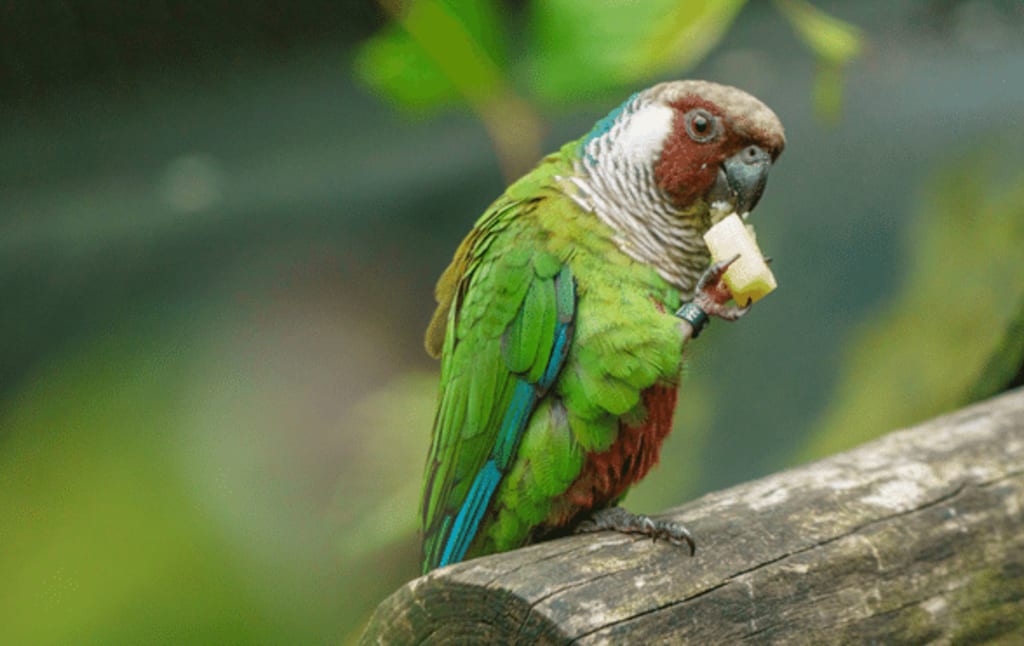
Parrots are some of the most colorful, intelligent, and social birds in the avian world. Known for their vibrant feathers, playful behavior, and ability to mimic human speech, they make popular pets around the globe. A key component of keeping a parrot healthy and happy is understanding what do Parrots eat? Just as with any pet, a parrot’s diet plays a crucial role in maintaining its overall well-being. In this article, we will explore the different foods that parrots eat, the importance of a balanced diet, and tips for feeding them to ensure they live a long, healthy life.
The Basics of a Parrot's Diet
In the wild, parrots are omnivorous, meaning they eat both plant-based foods and small amounts of animal protein. Their diet typically consists of seeds, nuts, fruits, flowers, and leaves. However, pet parrots, although often fed a similar diet, require more variety and nutritional balance due to their domestic lifestyle. Unlike in the wild, where parrots forage for food throughout the day, pet parrots rely on their owners to provide them with the appropriate nutrition.
Seeds and Nuts
One of the most common foods given to parrots is seeds. These seeds are often marketed as parrot food mixes and come in various forms, such as sunflower seeds, millet, and safflower seeds. While seeds are a natural part of a parrot’s diet, they should not be the sole food source. Seeds, especially sunflower seeds, are high in fat and can lead to obesity if fed in excess. Therefore, they should be offered in moderation, and the variety should be increased.
Nuts, like almonds, walnuts, and hazelnuts, are also a staple of many parrot diets. Parrots enjoy cracking open the shells to access the nut inside, which is a stimulating activity for them. Nuts are a good source of healthy fats and proteins, but like seeds, they should be given in moderation to prevent weight gain.
Fruits and Vegetables
Fruits and vegetables make up an essential part of a parrot’s balanced diet. Many parrots in the wild consume fruits, seeds, and flowers as part of their natural foraging behavior. Offering a variety of fresh fruits and vegetables to your parrot not only helps them stay healthy but also provides a wide range of nutrients that are vital to their health.
Common fruits that parrots enjoy include apples, pears, bananas, grapes, and berries. It’s important to remove any seeds or pits from fruits like apples and peaches, as they can be toxic to birds. Vegetables such as spinach, kale, carrots, bell peppers, and broccoli are excellent options, as they are rich in vitamins and minerals.
It’s important to note that some fruits and vegetables can be harmful to parrots. For example, avocado contains a substance called persin, which is toxic to parrots and should be avoided entirely. Additionally, onions, garlic, and certain types of potatoes can also be harmful to parrots, so it’s essential to research the foods you plan to feed your pet.
Pellets: A Balanced Option
In recent years, bird experts have recommended replacing a large portion of seeds and nuts with specially formulated parrot pellets. These pellets are made with a combination of grains, seeds, vegetables, and fruits to provide a more balanced diet for parrots. The advantage of pellets is that they contain all the essential nutrients needed for a parrot’s health, including vitamins, minerals, and amino acids.
Pellets can help prevent nutritional deficiencies that may arise when parrots are fed only seeds and nuts. However, it’s important to note that pellets should not be the only food source. A well-rounded diet includes a variety of fruits, vegetables, seeds, and nuts, in addition to pellets.
Treats and Snacks
Parrots, like most pets, enjoy the occasional treat. Offering your parrot a variety of healthy snacks can enhance their quality of life and create a bond between you and your pet. Popular parrot treats include small pieces of dried fruit, whole-grain crackers, and even unsweetened popcorn.
While treats are fun, they should not make up more than 10-15% of your parrot’s diet. Overindulgence in treats can lead to weight gain and unhealthy eating habits. It’s important to choose treats that are low in sugar and fat and avoid those that are processed or contain artificial additives.
Water and Hydration
Just like any animal, parrots need access to clean, fresh water at all times. Dehydration can be dangerous for birds and may lead to serious health issues, including kidney failure. Be sure to change your parrot’s water daily and clean their water dish to prevent bacteria build-up. In addition to water, parrots also get some of their hydration from fruits and vegetables, but a steady supply of fresh water is still essential for their well-being.
Foods to Avoid
While many foods are suitable for parrots, there are certain foods that should never be fed to them. Some common toxic foods for parrots include:
Avocado: Contains persin, which is toxic to birds.
Chocolate: Contains theobromine, which is harmful to parrots and other animals.
Caffeine: Coffee, tea, and soda can cause heart issues and hyperactivity in parrots.
Alcohol: Even small amounts of alcohol can be fatal to birds.
Salt: Excessive salt can lead to kidney damage and dehydration in parrots.
Onions and Garlic: These can cause digestive issues and toxicity in birds.
Always research before feeding your parrot new foods to ensure they are safe and healthy.
Conclusion
Feeding a parrot involves offering a wide range of foods to ensure they receive the appropriate nutrients for a healthy and long life. A balanced diet of seeds, nuts, fruits, vegetables, and pellets will help maintain their physical health and stimulate their minds. While treating your parrot to occasional snacks is fun, moderation is key. Always avoid feeding your parrot harmful foods like chocolate, alcohol, and avocado. By providing a varied and nutritious diet, along with fresh water and proper care, you can ensure your parrot stays happy and healthy for years to come.
About the Creator
Author’s Advice
If you would’ve asked me 20 years ago did I know I’d become a writer and an author, I would’ve said “nope, ain’t happening”. As fate would have it I did become an author and I can honestly say I’m loving it so far. It really does feel good to be a writer. I’ve learned a lot on this journey and I feel like with even me being as new to this world as I am, there’s some wisdom I need to share with every other aspiring author.
By Joe Patterson5 days ago in Journal




Comments
There are no comments for this story
Be the first to respond and start the conversation.