
The Importance of Specification Writing in Construction
The Role of Specification Writing in Ensuring Precision and Success in Construction Projects

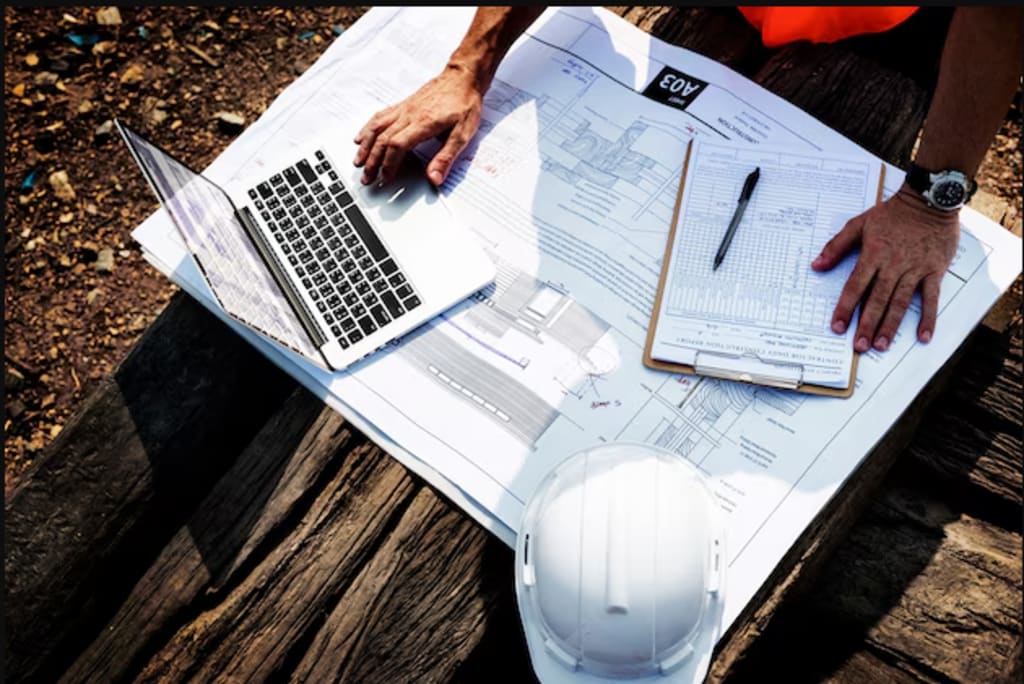
In the construction industry, precision is key. Specification writing forms the backbone of successful projects, ensuring clarity, compliance, and collaboration among all stakeholders. From defining materials to setting performance benchmarks, construction specifications plays an important role in delivering projects that meet quality and safety standards.
What is Specification Writing?
Specification writing is the process of documenting complete instructions, standards, and requirements for construction projects. It provides a complete blueprint that guides architects, contractors, and clients through each stage of construction. This document supplements architectural designs by concentrating on materials, workmanship, and performance standards.

Why Are Construction Specifications Essential?
- Clarity and Precision
Specifications eliminate ambiguity by clearly outlining project objectives, materials, and methods. This ensures all teams work towards a unified vision, reducing errors and miscommunication.
- Establishing Expectations
A well-crafted specification helps align the expectations of contractors and clients. By detailing deliverables and standards, it creates a shared understanding of the project scope, timeline, and outcomes.
- Cost Management
Accurate construction specifications enable project managers to estimate costs more effectively by detailing required materials and labour. This leads to realistic budgets and avoids unforeseen expenses.
- Compliance with Standards
Specifications ensure projects adhere to national and regional safety codes, mitigating risks and ensuring legal compliance.
- Supporting Project Lifecycle
Beyond construction, specifications contribute to asset management, maintenance, and future renovations by serving as a reference document.
Types of Construction Specifications
Prescriptive Specifications
These provide step-by-step instructions, detailing materials, methods, and compliance requirements. Subcategories include:
- General Provisions: Guidelines for adhering to building codes.
- Required Products: Detailed material specifications.
- Execution Procedures: Step by step installation and evaluation methods.
Performance Specifications
Focused on the desired outcomes, these specifications detail operational requirements without dictating methods, giving contractors flexibility in execution.
Proprietary Specifications
These specify particular products or brands, often for projects requiring precise material matches, such as renovations.

Benefits of Comprehensive Construction Spec Writing
- Improved Communication
A single, detailed document ensures everyone from architects to contractors is on the same page.
- Risk Mitigation
Specifications serve as contractual documentation, helping resolve important disputes and clarifying responsibilities.
- Time and Cost Savings
Well-prepared specifications prevent delays by anticipating challenges and outlining solutions.
- Enhancing Quality Control
Clear guidelines ensure high standards in materials and workmanship, resulting in a better final product.
Role of Spec Writers in Construction
- Professional spec writers bring expertise to the complex process of drafting specifications. Their role includes:
- Researching materials and methods to meet project goals.
- Ensuring compliance with industry standards and regulations.
- Collaborating with architects and engineers to reflect design intent.
- With their knowledge and attention to detail, spec writers create robust documents that support seamless project execution.
Adapting to a Digital Future
As the construction industry evolves, digital tools have revolutionised specification writing. Modern platforms enhance accuracy and accessibility, enabling real-time collaboration and updates. This digital transformation ensures specifications remain adaptable and efficient throughout the project lifecycle.
Final Thoughts
Specification writing is an important aspect of building, bridging the gap between concept and reality. Whether you're an architect, contractor, or client, investing in detailed and precise construction specifications is key to project success. By collaborating with skilled specification writers and embracing digital innovations, the construction process can be streamlined cost-effective, and up to the highest standards.
FAQs
1. What is the purpose of construction specification writing?
Construction specification writing ensures clarity, sets expectations, and provides detailed guidance on materials, methods, and standards. It complements architectural plans and helps streamline communication among stakeholders.
2. Why are spec writers important in the construction process?
Spec writers bring expertise in drafting accurate, compliant, and comprehensive specifications. They collaborate with designers and engineers to ensure the document reflects the project's goals while adhering to industry standards.
3. What are the main types of construction specifications?
The three primary types are:
- Prescriptive: Step-by-step instructions for materials and installation.
- Performance: Focused on operational outcomes without dictating methods.
- Proprietary: Specific products or brands for precise matching.
4. How do digital tools impact specification writing?
Digital tools enhance accuracy, enable real time collaboration, and ensure specifications are adaptable. They support efficient updates, making them a vital part of modern construction management.
About the Creator
Andrew Mile
Andrew Mile is passionate about technology, wedding planning, and services, crafting insightful content that blends innovation with elegance, making complex topics accessible and weddings unforgettable.
Keep reading
More stories from Andrew Mile and writers in Journal and other communities.
How to Organise an Awards Ceremony?
Award ceremonies are an excellent way to honour achievements, foster recognition, and promote camaraderie. Whether it’s an industry-wide event or a smaller company gathering, careful planning is essential for success. Here’s how to organise a memorable awards ceremony.
By Andrew Mileabout a year ago in Journal




Comments
There are no comments for this story
Be the first to respond and start the conversation.