
The Importance of Ramadan in Islam
A Deep Dive into the Spiritual, Communal, and Personal Significance of the Holy Month
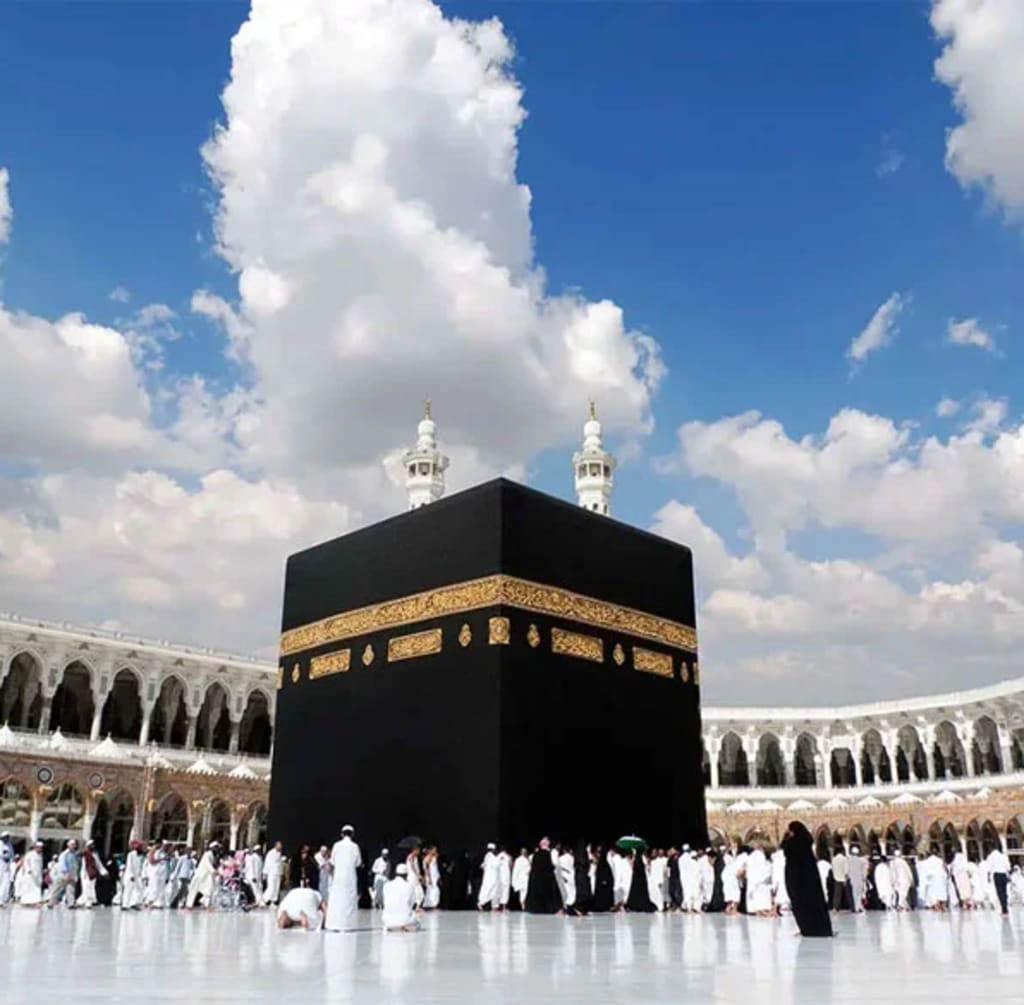
Table of Contents:
Introduction
The Spiritual Significance of Ramadan
Fasting (Sawm): The Fourth Pillar of Islam
Key Practices During Ramadan
4.1. Taraweeh Prayers
4.2. Recitation of the Quran
4.3. Increased Supplication (Dua) and Remembrance (Dhikr)
4.4. I'tikaf (Spiritual Retreat)
Laylat al-Qadr: The Night of Decree
The Role of Charity in Ramadan
The Connection Between Ramadan and Umrah
Planning for Ramadan 2025: Spiritual Journeys and Packages
Conclusion
1. Introduction
Ramadan, the ninth month of the Islamic lunar calendar, holds profound importance for Muslims worldwide. It commemorates the initial revelation of the Quran to the Prophet Muhammad (peace be upon him) and is observed through fasting, prayer, and reflection. This sacred month serves as a period for believers to strengthen their faith and purify their souls.
2. The Spiritual Significance of Ramadan
Beyond the physical act of fasting, Ramadan offers a time for deep spiritual reflection. Muslims engage in self-examination, seeking to enhance their relationship with Allah. The month emphasizes self-discipline, humility, and empathy, encouraging believers to embody the teachings of Islam in their daily lives.
3. Fasting (Sawm): The Fourth Pillar of Islam
Fasting during Ramadan is one of the Five Pillars of Islam, making it a fundamental aspect of the faith. From dawn until sunset, Muslims abstain from food, drink, smoking, and marital relations. This practice fosters self-control and reminds believers of the hardships faced by the less fortunate. The Quran states: "O you who have believed, decreed upon you is fasting as it was decreed upon those before you that you may become righteous."
LEEDSTRINITY.AC.UK
4. Key Practices During Ramadan
4.1. Taraweeh Prayers
Special nightly prayers performed in congregation, known as Taraweeh, are a hallmark of Ramadan. These prayers offer an opportunity for Muslims to listen to the entire Quran recitation over the month, deepening their connection to the holy text.
4.2. Recitation of the Quran
Many Muslims aim to complete the Quran during Ramadan, dedicating time each day to its recitation. This practice enhances understanding and reflection upon the divine guidance contained within.
4.3. Increased Supplication (Dua) and Remembrance (Dhikr)
Engaging in regular supplication and remembrance of Allah is emphasized during Ramadan. These acts foster a continuous spiritual connection and mindfulness of the divine presence.
4.4. I'tikaf (Spiritual Retreat)
In the last ten days of Ramadan, some Muslims participate in I'tikaf, secluding themselves in the mosque for intensive worship and reflection. This practice allows for a heightened focus on spirituality and detachment from worldly distractions.
5. Laylat al-Qadr: The Night of Decree
Laylat al-Qadr, occurring during the last ten nights of Ramadan, is considered the holiest night in Islam. It commemorates the night when the Quran was first revealed and is described in the Quran as "better than a thousand months." Muslims spend this night in prayer and supplication, seeking Allah's mercy and blessings.
6. The Role of Charity in Ramadan
Charity is a cornerstone of Ramadan observance. Muslims are encouraged to give Zakat (obligatory alms) and Sadaqah (voluntary charity) during this month. These acts of generosity purify wealth and assist those in need, embodying the principles of compassion and social responsibility.
7. The Connection Between Ramadan and Umrah
Performing Umrah (the lesser pilgrimage) during Ramadan is highly meritorious. The Prophet Muhammad (peace be upon him) stated that an Umrah performed during Ramadan is equivalent to Hajj in reward. This has led many Muslims to undertake the pilgrimage during this blessed month.
8. Planning for Ramadan 2025: Spiritual Journeys and Packages
As Ramadan 2025 approaches, many believers are considering enhancing their spiritual experience by performing Umrah. Various travel agencies offer specialized Ramadan packages, providing services that cater to the unique needs of pilgrims during this sacred time. These packages often include accommodations close to the holy sites, guided tours, and arrangements for Iftar and Suhoor meals, ensuring a comfortable and spiritually enriching journey.
9. Conclusion
Ramadan is a month of profound spiritual significance, offering Muslims an opportunity to renew their faith, practice self-discipline, and engage in acts of worship and charity. Whether through fasting, prayer, Quranic recitation, or performing Umrah, the observances of Ramadan foster a deeper connection to Allah and a greater sense of community among believers. As we look forward to Ramadan 2025, planning for spiritual journeys can further enhance the blessings and rewards of this holy month.
About the Creator
Travelguider09
if you want to go on Umrah in Ramzan than visit my profile i share importance information's, tips and many more.
Keep reading
More stories from writers in Journal and other communities.




Comments
There are no comments for this story
Be the first to respond and start the conversation.