
The Importance of Ergonomic Furniture in the Modern Workplace
How Standing Desks and Smart Design Are Shaping Healthier, More Productive Offices

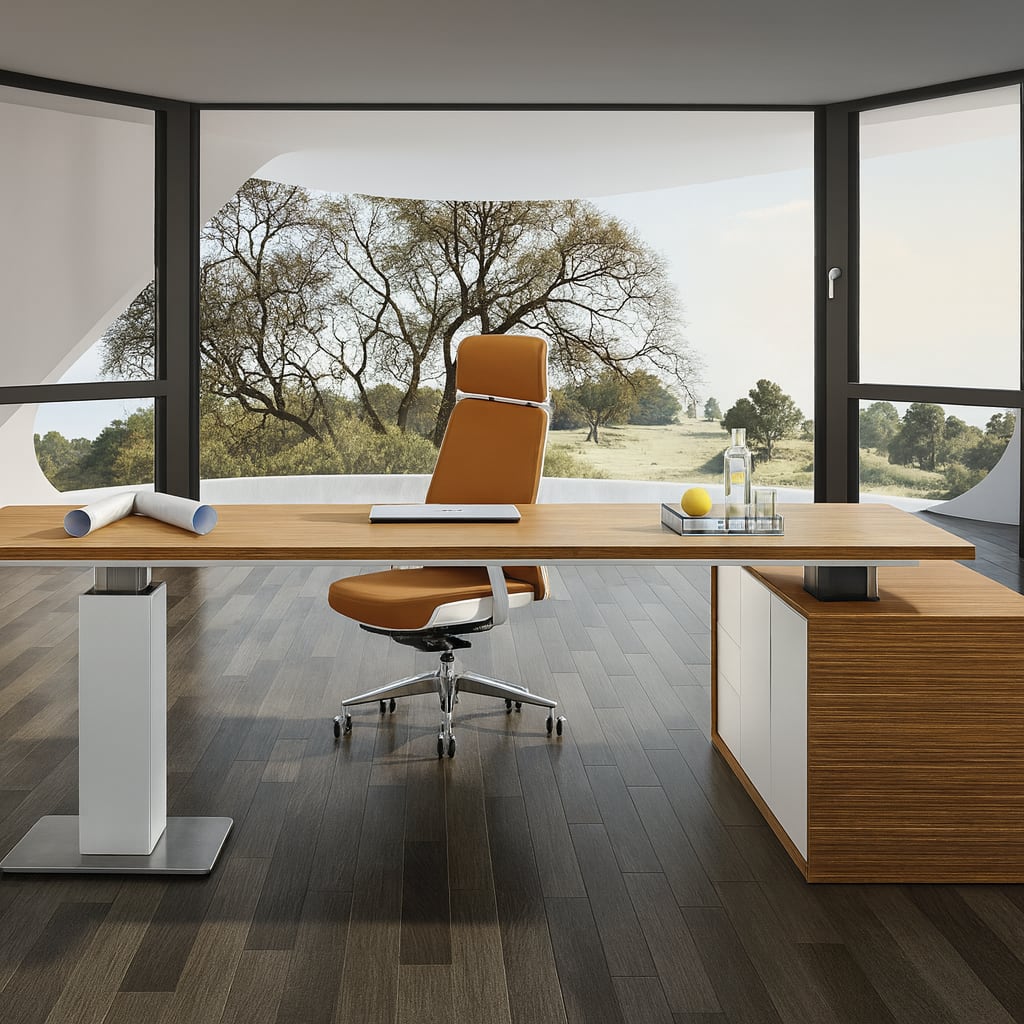
In today's fast-paced business environment, the focus on employee well-being and productivity has become a significant concern for organisations. One way employers can address this is by investing in standing desk solutions. These desks have gained popularity because they offer a flexible work setting, allowing employees to switch between sitting and standing, effectively reducing the potential health risks associated with prolonged sitting.
The Benefits of Ergonomic Design
Ergonomic furniture is designed with the user's health and comfort in mind. By promoting good posture and reducing unnecessary strain, ergonomic office solutions, such as standing desks, are essential to maintaining workplace well-being. This furniture can help minimise common problems like back pain, neck strain, and carpal tunnel syndrome, all of which are associated with traditional office furniture.
Impact on Employee Productivity
Studies have shown that ergonomic furniture can significantly improve employee productivity. When employees are comfortable and free from pain, they are more likely to remain focused on their tasks, thus increasing efficiency and output. The use of standing desks, for instance, encourages movement and circulation, which can lead to higher energy levels and better cognitive function.
Health Benefits of Standing Desks
Standing desks offer numerous health benefits, such as improving posture and reducing the risk of obesity. When employees can adjust their working position, it helps in reducing physical discomfort and mitigating the potential health risks associated with a sedentary lifestyle. Given that individuals spend a significant portion of their day at work, these desks present a practical solution for promoting a healthier lifestyle.
Customisation and Flexibility
Another advantage of standing desks is their customisation potential. These desks allow employees to adjust the height according to their specific needs, which is essential for creating a personalised and comfortable workspace. This flexibility not only benefits individual users but also provides companies with the ability to accommodate a diverse workforce.
Considerations for Employers
Employers looking to invest in ergonomic furniture should consider various factors, such as the specific needs of their employees and the overall layout of the workplace. Providing a range of ergonomic options, including standing desks, can demonstrate a commitment to employee health and satisfaction, potentially leading to reduced absenteeism and turnover rates.
Cost-Effectiveness of Ergonomic Solutions
While the initial investment in ergonomic furniture may seem significant, the long-term benefits often outweigh the costs. Improved employee health and productivity can lead to significant savings in terms of reduced healthcare expenses and greater work efficiency. As such, standing desks and other ergonomic solutions can be seen as a valuable investment.
Creating a Culture of Well-being
Introducing ergonomic furniture is part of creating a culture of well-being within the workplace. When employees see that their health and comfort are valued, it can lead to greater job satisfaction and commitment to the company. Ergonomic solutions play a vital role in fostering a positive work environment where staff can thrive.
Technological Advancements in Office Furniture
The development of new materials and technology has led to innovative ergonomic furniture designs. For example, smart standing desks equipped with memory settings and wireless charging capabilities are now emerging on the market, offering even more convenience and efficiency to users.
Adapting to a Modern Work Environment
As remote and flexible working arrangements become more prevalent, the demand for ergonomic home office furniture is also increasing. Standing desks provide an adaptable solution for home workspaces, allowing for better integration of professional and personal environments.
Encouraging Movement and Activity
Standing desks support the natural need for movement and activity at the workplace. Incorporating these desks into the office layout encourages workers to change their posture regularly, which can improve blood circulation and attention levels throughout the day.
Educational Initiatives for Ergonomics
Employers can amplify the benefits of ergonomic furniture by implementing educational initiatives that inform staff about the importance of good posture and regular movement. Training sessions and workshops on correct desk set-up and the benefits of alternating between standing and sitting positions can empower employees to make the most of their ergonomic workstations.
A Sustainable Choice
Opting for ergonomic furniture reflects a company's commitment to sustainability. Many ergonomic desks and chairs are designed with environmentally friendly materials and production processes, aligning with corporate social responsibility goals and contributing to a positive brand image.
Conclusion: Investing in Employee Health
Standing desks and other ergonomic furniture pieces are more than just trends; they are practical solutions that address the health and productivity challenges faced by modern workplaces. By investing in these solutions, companies can foster a healthier, more productive, and engaged workforce while also supporting their long-term success.
About the Creator
Keep reading
More stories from Vocal Blog and writers in Journal and other communities.
Fantastically Flourishing Flemington: Finding First-Rate Family Homes and Financial Footholds
The quiet dignity of Hunterdon County, New Jersey, has long attracted discerning homeowners seeking a blend of scenic beauty, excellent schools, and commuter convenience. At the heart of this desirable region lies Flemington, a borough and surrounding township that continues to assert itself as a highly competitive and compelling destination for buyers and sellers alike. The appeal is multi-faceted, combining historic character with modern growth. Whether you are a first-time buyer embarking on an exciting search or a seasoned investor looking for an advantageous flip, understanding the intricacies of the local Flemington NJ real estate market is essential. As of the most recent data, the market here showcases a unique combination of rapidly appreciating prices and a subtle lengthening of the average days on market, indicating a critical shift from the frenzied environment of recent years toward a more nuanced, yet still robust, landscape. The key to successful navigation lies in accurate, up-to-the-minute market intelligence and a sharp focus on value and location.
By Vocal Blog5 months ago in Journal
Author’s Advice
If you would’ve asked me 20 years ago did I know I’d become a writer and an author, I would’ve said “nope, ain’t happening”. As fate would have it I did become an author and I can honestly say I’m loving it so far. It really does feel good to be a writer. I’ve learned a lot on this journey and I feel like with even me being as new to this world as I am, there’s some wisdom I need to share with every other aspiring author.
By Joe Patterson5 days ago in Journal




Comments
There are no comments for this story
Be the first to respond and start the conversation.