
The Importance of DevSecOps for Robust Cloud Security Strategies
Explore why DevSecOps is vital for robust cloud security strategies, embedding security early, automating checks, and minimizing vulnerabilities.

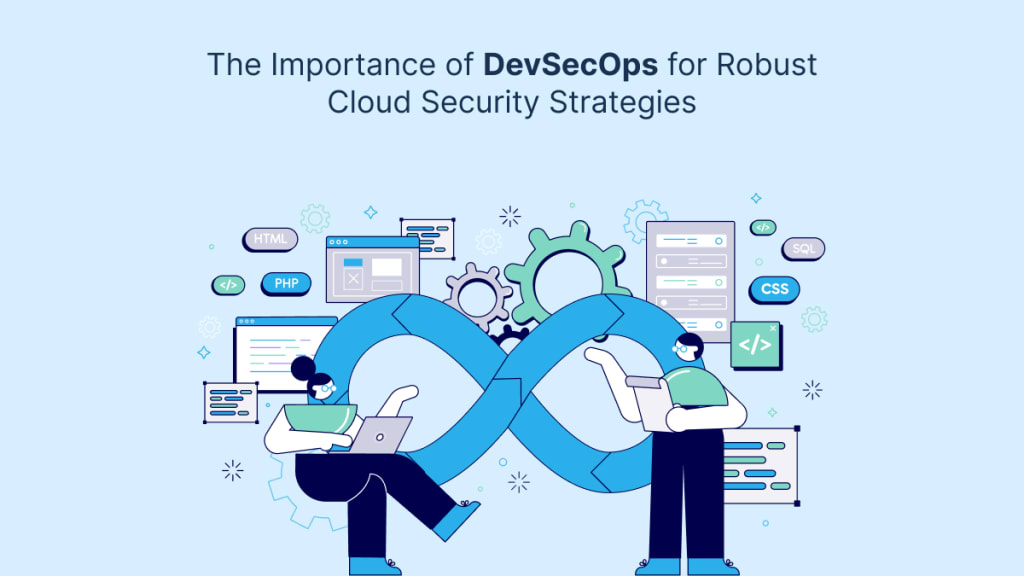
Cloud computing has become the foundation for digital transformation in nearly every industry. From startups to large enterprises, businesses are rapidly adopting cloud technologies to scale operations, speed up delivery, and reduce costs. However, with this shift comes increased risk. Security in cloud environments can no longer be an afterthought or handled by a separate team working in isolation. This is where DevSecOps becomes crucial.
DevSecOps—short for Development, Security, and Operations—is a modern approach that integrates security practices directly into the software development lifecycle. It’s not just a buzzword; it’s a mindset and operational shift that enhances cloud security in real time. In this blog, we’ll explore why DevSecOps is vital for creating robust cloud security strategies and how it helps build a secure, efficient, and compliant digital infrastructure.
What is DevSecOps?
Understanding DevSecOps in Simple Terms
DevSecOps is an evolution of DevOps, a practice that combines software development (Dev) and IT operations (Ops) to increase collaboration and speed. DevSecOps adds the security element into this mix, ensuring that security is integrated from the beginning rather than slapped on at the end.
Instead of making security the sole responsibility of a separate department, DevSecOps encourages developers, security professionals, and operations teams to work together throughout the development process. This ensures continuous security checks, rapid detection of vulnerabilities, and fewer risks in production environments.
Why Traditional Security Doesn’t Work Anymore
In the past, security checks were typically performed at the end of the development cycle—after the code was written, tested, and ready to go live. This reactive approach no longer fits the modern cloud landscape, where applications are updated multiple times a day and infrastructure is defined and deployed through code.
With traditional models, any security flaw discovered late in the process results in delays, expensive fixes, or worse—a security breach in the live environment. DevSecOps resolves this by embedding security tools and practices into the CI/CD (Continuous Integration and Continuous Deployment) pipeline, allowing vulnerabilities to be detected and addressed early.
Why DevSecOps is Crucial for Cloud Security
Addressing Cloud Complexity with Built-In Security
Cloud environments are complex. They involve APIs, containers, microservices, third-party integrations, and Infrastructure as Code (IaC). Every component can potentially introduce a security weakness if not managed correctly.
DevSecOps ensures that every part of the environment—code, containers, configurations, and even access controls—are continuously monitored and tested for vulnerabilities. This built-in approach reduces attack surfaces and strengthens the entire infrastructure.
Preventing Misconfigurations in Infrastructure as Code
IaC allows teams to define and manage cloud infrastructure using code. While it offers automation and consistency, it also creates new risks. A single misconfiguration in an IaC template could expose sensitive data or open up ports to attackers.
DevSecOps uses automated tools to scan IaC templates for security issues before deployment. It ensures that cloud infrastructure is compliant with security policies from the get-go.
Strengthening Identity and Access Management
One of the most common vulnerabilities in cloud setups is poor identity and access management (IAM). Without proper controls, unauthorized users or services could gain access to critical resources.
DevSecOps enforces strict access policies, encourages the principle of least privilege, and integrates IAM audits into automated processes. This significantly lowers the risk of privilege misuse or accidental exposure.
Enhancing Visibility and Monitoring
DevSecOps improves cloud security by enabling continuous monitoring of systems, networks, and user activity. With real-time alerts and logging, organizations can detect abnormal behavior, failed login attempts, or unauthorized data access quickly.
It also supports faster incident response by ensuring that teams are alerted immediately and have access to detailed audit trails for investigation.
Supporting Compliance and Governance
Many industries are governed by regulations such as HIPAA, GDPR, PCI-DSS, or SOC 2. DevSecOps helps organizations stay compliant by automating security and compliance checks. Policies are written as code, so they can be tested and enforced automatically within the CI/CD pipeline.
This reduces the burden on compliance teams and ensures that every deployment is aligned with regulatory requirements.
How to Implement DevSecOps in Cloud Environments
Educate and Align Teams
The first step to implementing DevSecOps is building a shared understanding of what it means. Security must be seen as a shared responsibility. Developers should be trained in secure coding practices, and security teams should be involved from the planning stage onward.
Creating a culture of collaboration and open communication is essential for DevSecOps to work.
Automate Security Testing
Security testing should be embedded directly into development workflows. This includes:
Static Application Security Testing (SAST) to analyze code for vulnerabilities
Dynamic Application Security Testing (DAST) to simulate real-world attacks
Software Composition Analysis (SCA) to identify risks in third-party libraries
Container scanning to detect flaws in Docker or Kubernetes environments
These tools run automatically in CI/CD pipelines, giving developers instant feedback and keeping deployments secure.
Secure Infrastructure and Configurations
Use tools like Checkov, Terraform Sentinel, or AWS Config to scan and enforce secure configurations in your IaC templates. Validate network setups, storage policies, encryption standards, and access roles as part of your deployment process.
Monitor and Respond in Real Time
Set up continuous monitoring tools like AWS CloudTrail, Azure Monitor, or GCP Operations Suite to gain full visibility into your cloud environment. Pair them with SIEM (Security Information and Event Management) platforms to analyze logs and generate actionable insights.
Automate responses where possible to minimize response time during incidents.
Enforce Policy as Code
With policy-as-code frameworks like Open Policy Agent (OPA), you can write and enforce rules across your cloud infrastructure. These rules ensure that deployments meet security and compliance standards before they go live.
This automation reduces manual effort, maintains consistency, and allows for scalable governance.
Read more: The Importance of DevSecOps in Cloud Computing: Building Security into Your Development Process
Real-World Example: DevSecOps in an E-commerce Cloud App
Imagine an e-commerce company hosting its platform on AWS. The team uses containers for microservices and Terraform for managing infrastructure. Before adopting DevSecOps, security checks happened after deployment, leading to late bug fixes and compliance issues.
With DevSecOps, they integrated automated SAST and container scans into their CI/CD pipeline. Terraform templates were checked for compliance before deployment. IAM roles were tightly controlled and reviewed regularly. Continuous monitoring tools provided real-time threat alerts.
As a result, the company reduced vulnerabilities, avoided misconfigurations, and passed audits without last-minute changes—while delivering features faster to users.
DevSecOps Best Practices for Cloud Security
Start Small and Scale Gradually
Don’t try to overhaul everything at once. Start with one application or project. Implement DevSecOps practices slowly, track improvements, and scale across teams.
Involve Security Early and Often
Make sure security teams are involved in every phase—from design to deployment. Their input early on can prevent issues later.
Make Use of Open-Source Tools
There are many free and open-source tools that support DevSecOps, including OWASP ZAP, Trivy, Clair, and Kube-bench. Use these to strengthen your pipeline without increasing costs.
Review and Update Regularly
Security threats evolve constantly. Regularly update your security tools, policies, and practices to stay ahead of new risks.
Foster Continuous Learning
Encourage your teams to stay updated on the latest security trends and threats. Provide training sessions, certifications, or workshops to build a security-first mindset.
Conclusion
As businesses increasingly rely on cloud platforms to run critical applications and services, securing those environments becomes more important than ever. Traditional security methods are too slow and reactive to handle the pace of modern cloud development. DevSecOps solves this problem by embedding security into every step of the development and deployment process.
It enhances visibility, improves collaboration, supports automation, and ensures compliance—all while enabling rapid innovation. For companies working with an on demand app development company or managing their own cloud projects, embracing DevSecOps is a strategic investment in long-term security and resilience. It’s not just about protecting data—it’s about building trust, staying compliant, and keeping your cloud infrastructure safe from the start.
FAQs
What makes DevSecOps different from traditional security practices?
DevSecOps integrates security into the entire development and deployment process, rather than treating it as a final step. This results in faster, more secure releases.
Can DevSecOps be applied to any cloud provider?
Yes, DevSecOps is platform-agnostic. Whether you use AWS, Azure, or Google Cloud, the core principles and tools can be adapted to any cloud setup.
Is DevSecOps suitable for small teams?
Absolutely. Even small development teams can benefit from adopting DevSecOps practices such as automated scanning and secure coding to improve overall security.
What are some common tools used in DevSecOps?
Tools like Snyk, Checkov, Trivy, GitLab CI/CD, and Open Policy Agent (OPA) are commonly used for scanning code, containers, infrastructure, and enforcing policies.
How do I know if my DevSecOps implementation is successful?
Monitor metrics like the number of vulnerabilities detected early, time to resolve issues, and how often deployments meet compliance requirements. These indicators help measure effectiveness and guide improvements.
About the Creator
Adrian Evans
White Label Fox is a leading on-demand app development company that helps entrepreneurs launch on-demand apps with a complete tech suite.
Keep reading
More stories from Adrian Evans and writers in Journal and other communities.
Top 7 Apps Like MyFitnessPal to Track Your Fitness & Nutrition in 2025
Introduction to Fitness and Nutrition Tracking Apps in 2025 Keeping track of your fitness and nutrition has become easier than ever, thanks to the rise of smart apps designed to help you stay on top of your health goals. MyFitnessPal has long been a favorite for many, offering a reliable way to log meals, count calories, and monitor workouts. But as technology advances, many other apps have entered the market, bringing fresh features and new ways to support your wellness journey.
By Adrian Evans9 months ago in Journal
Author’s Advice
If you would’ve asked me 20 years ago did I know I’d become a writer and an author, I would’ve said “nope, ain’t happening”. As fate would have it I did become an author and I can honestly say I’m loving it so far. It really does feel good to be a writer. I’ve learned a lot on this journey and I feel like with even me being as new to this world as I am, there’s some wisdom I need to share with every other aspiring author.
By Joe Patterson3 days ago in Journal




Comments
There are no comments for this story
Be the first to respond and start the conversation.