
The Impact of U.S. Tariffs on Canada: What You Need to Know
Impact of U.S. tariffs on Canada, their effects on trade, industries, and the future of U.S.-Canada relations under USMCA. Learn more!

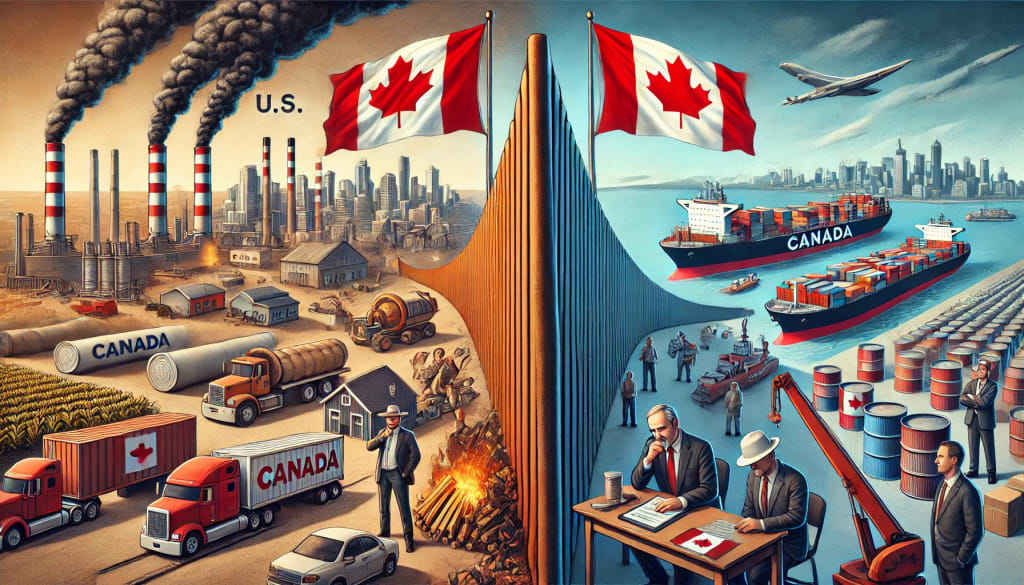
In recent years, trade relations between the United States and Canada have been a hot topic, especially during the presidency of Donald Trump. One of the most significant developments during his tenure was the imposition of tariffs on Canadian goods. These tariffs sparked debates, affected industries, and left many wondering how they would impact the economies of both nations. In this article, we’ll break down the key aspects of U.S. tariffs on Canada, their effects, and what the future might hold.
What Are Tariffs?
Tariffs are taxes imposed on imported goods. They are designed to protect domestic industries by making foreign products more expensive, thereby encouraging consumers to buy locally made goods. While tariffs can benefit domestic producers, they often lead to higher prices for consumers and can strain international trade relationships.
The Trump Era: U.S. Tariffs on Canada
During Donald Trump’s presidency, the U.S. implemented several tariffs on Canadian goods, particularly on steel and aluminum. In 2018, the Trump administration imposed a 25% tariff on steel and a 10% tariff on aluminum imported from Canada, citing national security concerns under Section 232 of the Trade Expansion Act of 1962. This move was met with strong opposition from Canada, which is one of the largest suppliers of steel and aluminum to the U.S.
Canada responded by imposing retaliatory tariffs on a range of U.S. products, including steel, aluminum, and consumer goods like ketchup, whiskey, and toilet paper. The trade dispute created tension between the two nations, which have long enjoyed a strong economic partnership under agreements like the North American Free Trade Agreement (NAFTA) and its successor, the United States-Mexico-Canada Agreement (USMCA).
How Did Tariffs Affect Canada?
The imposition of U.S. tariffs had several immediate and long-term effects on Canada’s economy:
- Economic Impact on Industries: The steel and aluminum industries in Canada were hit hard by the tariffs. Many Canadian companies faced reduced demand for their products in the U.S., leading to layoffs and financial strain. Smaller businesses, in particular, struggled to absorb the additional costs.
- Consumer Prices: While the tariffs were intended to protect U.S. industries, they also led to higher prices for American consumers. For example, the cost of cars, appliances, and construction materials increased due to the higher cost of steel and aluminum.
- Trade Relations: The tariffs strained the historically strong trade relationship between the U.S. and Canada. Canadian officials criticized the move as unjustified and harmful to both economies. The dispute also raised concerns about the future of bilateral trade agreements.
- Retaliation and Negotiations: Canada’s retaliatory tariffs were a clear message that it would not back down without a fight. However, both nations eventually returned to the negotiating table, leading to the removal of tariffs in 2019 as part of the USMCA agreement.
The Broader Impact on Canada’s Economy
Beyond the immediate effects on specific industries, the tariffs had a ripple effect on Canada’s economy. The uncertainty surrounding trade policies led to reduced investment in some sectors, as businesses hesitated to make long-term commitments. Additionally, the Canadian dollar (CAD) experienced fluctuations against the U.S. dollar (USD), impacting trade and financial markets.
For example, the USD/CAD exchange rate is closely watched by investors and businesses engaged in cross-border trade. During periods of trade tension, the Canadian dollar often weakened, making Canadian exports cheaper but increasing the cost of imports. This dynamic added another layer of complexity to the economic landscape.
The USMCA: A New Chapter in Trade Relations
The United States-Mexico-Canada Agreement (USMCA), which replaced NAFTA in 2020, marked a turning point in U.S.-Canada trade relations. The agreement addressed several contentious issues, including tariffs, and provided a framework for more stable and predictable trade. Under the USMCA, the U.S. agreed to lift its tariffs on Canadian steel and aluminum, and Canada removed its retaliatory tariffs.
The USMCA also introduced new rules to promote fair competition, protect intellectual property, and support labor rights. While the agreement has been praised for modernizing North American trade, some critics argue that it did not go far enough to address issues like environmental protection and digital trade.
What Does the Future Hold?
As of 2023, trade relations between the U.S. and Canada remain strong, but challenges persist. The global economy continues to recover from the impacts of the COVID-19 pandemic, and supply chain disruptions have highlighted the importance of resilient trade networks. Additionally, the Biden administration has signaled a shift in trade policy, focusing on cooperation and addressing issues like climate change and labor rights.
For Canada, the key to navigating future trade challenges lies in diversification. While the U.S. remains Canada’s largest trading partner, there is growing interest in expanding trade relationships with other countries, particularly in Asia and Europe. By reducing its reliance on any single market, Canada can better protect its economy from external shocks.
Key Takeaways
- Tariffs are taxes on imported goods designed to protect domestic industries but can lead to higher prices and strained trade relationships.
- The Trump administration imposed tariffs on Canadian steel and aluminum in 2018, citing national security concerns.
- Canada responded with retaliatory tariffs, leading to a trade dispute that affected industries and consumers in both countries.
- The USMCA agreement resolved many of these issues, lifting tariffs and providing a framework for stable trade.
- The future of U.S.-Canada trade depends on cooperation, diversification, and addressing global challenges like climate change and supply chain resilience.
Conclusion
The U.S. tariffs on Canada during the Trump era were a significant chapter in the history of North American trade. While they caused short-term disruptions, they also underscored the importance of strong trade agreements and diplomatic relations. As both nations move forward, the lessons learned from this period will be crucial in shaping a more resilient and prosperous economic future.
For now, businesses and consumers on both sides of the border can breathe a sigh of relief, knowing that the tariffs have been lifted and that the USMCA provides a solid foundation for continued cooperation. However, staying informed and adaptable will be key to navigating the ever-changing landscape of international trade.
About the Creator
Minecraft APK Download (Android, Pro Unlocked)
Fast free Minecraft APK Download for Android. Get Minecraft Pocket Edition, mods, and the latest version. Enjoy building and exploring in Minecraft PE. NBS Reborn APK.
Keep reading
More stories from Minecraft APK Download (Android, Pro Unlocked) and writers in Journal and other communities.
Massachusetts and New Hampshire School Closures and Delays: Latest Updates
As winter weather continues to impact the Northeast, several school districts in Massachusetts and New Hampshire have announced closures and delays. Snowfall, icy roads, and freezing temperatures have prompted school administrators to prioritize student safety by modifying schedules. Below is the latest information on school closings, delays, and weather-related disruptions for January 29, 2025.
By Minecraft APK Download (Android, Pro Unlocked)about a year ago in Journal
Author’s Advice
If you would’ve asked me 20 years ago did I know I’d become a writer and an author, I would’ve said “nope, ain’t happening”. As fate would have it I did become an author and I can honestly say I’m loving it so far. It really does feel good to be a writer. I’ve learned a lot on this journey and I feel like with even me being as new to this world as I am, there’s some wisdom I need to share with every other aspiring author.
By Joe Patterson4 days ago in Journal




Comments
There are no comments for this story
Be the first to respond and start the conversation.