
The Illusion of Choice: How Ecosystems Quietly Lock Us In
Why switching phones now feels harder than changing jobs
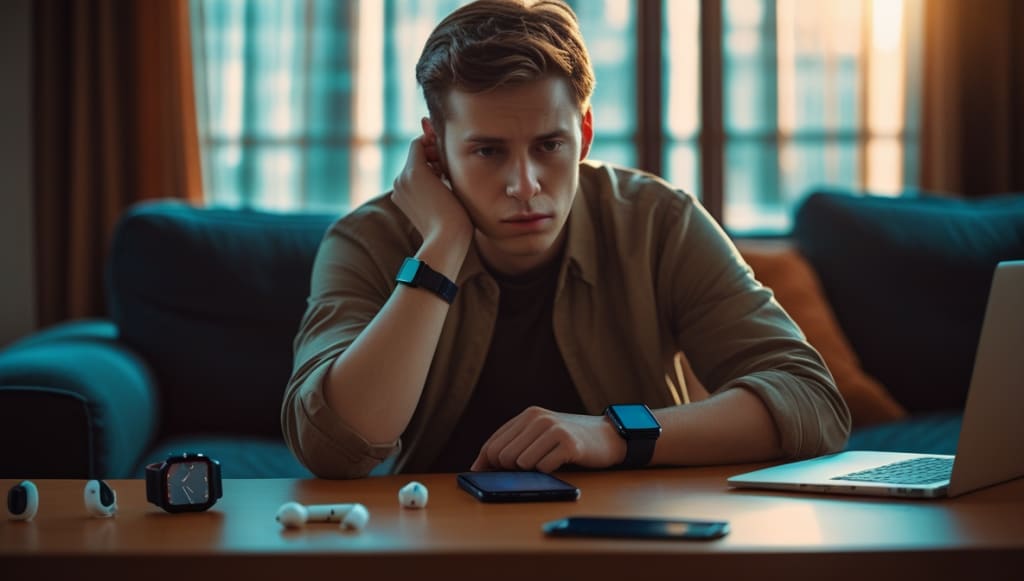
On paper, choosing a smartphone has never been easier.
Dozens of models. Multiple brands. Every price point is covered. Reviews, comparisons, and “best of” lists just a search away. We like to believe we’re making informed, independent choices every time we upgrade.
But in 2025, something doesn’t add up.
Despite all this choice, most people feel strangely stuck. Switching phones no longer feels exciting — it feels exhausting. Risky. Almost irresponsible.
The truth is uncomfortable but simple: we’re not choosing phones anymore.
We’re choosing ecosystems — and once inside, leaving is harder than it looks.
When Choice Became a Feeling, Not a Reality
Years ago, switching phones meant learning a new interface and maybe losing a few apps. It was inconvenient, but manageable.
Today, switching feels like dismantling part of your life.
Your photos live in one cloud. Your messages sync across devices. Your smartwatch, earbuds, laptop, tablet, and even car are tied together by invisible threads. Everything works — but only because it’s all speaking the same language.
That smoothness is seductive.
And that’s where the illusion of choice begins.
Ecosystems Don’t Trap You — They Comfort You
Lock-in doesn’t happen through force. It happens through comfort.
Your devices recognize each other instantly. Files move without friction. Notifications follow you seamlessly from screen to screen. Settings remember you. Passwords auto-fill. Nothing asks for effort.
Over time, convenience becomes an expectation.
You stop thinking about how things work — only that they do. And when someone suggests switching platforms, the question isn’t “Which phone is better?” It’s “Do I really want to break all of this?”
That hesitation is the lock-in.
The Hidden Cost of Starting Over
Switching ecosystems today isn’t just about buying a new phone. It’s about re-learning habits.
Different gestures. Different defaults. Different ways of organizing your digital life. Even small changes feel disruptive when multiplied across dozens of daily interactions.
Then there’s the emotional cost.
Photos that don’t sync the same way. Messages that don’t transfer cleanly. Accessories that suddenly feel obsolete. Years of digital memory suddenly feel fragile.
No one advertises this part — but everyone feels it.
Why Ecosystems Feel Personal
The deeper an ecosystem goes, the more it feels tailored to you.
Your routines are learned. Your preferences are predicted. Your behavior is quietly optimized around.
This creates a powerful psychological effect: switching platforms feels less like changing a tool and more like changing an identity.
You’re not just leaving a phone. You’re leaving a familiar digital self.
That’s why the question “Which phone should I buy?” has quietly transformed into “Which ecosystem do I belong to?”
Competition Still Exists — Just Not Where You See It
From the outside, the smartphone market looks fiercely competitive.
New launches. Feature comparisons. Bold marketing claims.
But the real competition happens earlier — and deeper.
It happens when you buy your first smartwatch. When you store your photos in one cloud instead of another. When your laptop syncs effortlessly with your phone. When your earbuds work “just a little better” with one platform.
Each decision feels small. Together, they form a wall.
By the time you consider switching phones, the decision has already been made.
Freedom Has Been Redefined
In the past, freedom meant flexibility.
Today, freedom often means stability.
People don’t want to experiment with their primary devices anymore. They want reliability. Familiarity. Predictability.
Ecosystems deliver that — at a price.
You’re free to choose within the system, but not easily free to leave it. The choice exists, but it’s no longer neutral.
That’s the illusion.
Why This Feels So Normal Now
What makes ecosystem lock-in so powerful is how natural it feels.
No contracts. No restrictions. No warnings.
Just gradual dependence built through good design and thoughtful integration.
This isn’t manipulation in the traditional sense. It’s optimization — for retention, loyalty, and long-term engagement.
And it works because it aligns perfectly with human behavior: we prefer ease over novelty once routines are established.
Is This a Problem — or Just Progress?
There’s no simple answer.
Ecosystems make technology feel less chaotic and more humane. They reduce friction, save time, and remove cognitive load. For many people, that’s a genuine improvement in quality of life.
But there’s a trade-off.
When switching becomes emotionally and practically difficult, competition shifts from innovation to inertia. The safest choice becomes staying put — not because it’s best, but because it’s familiar.
That’s when choice stops being empowering.
Living With the Lock-In
In 2025, most people aren’t trapped. They’re settled.
And that distinction matters.
The illusion of choice doesn’t mean we’ve lost control — it means control has become quieter, more psychological, and harder to see.
Understanding that doesn’t require rejecting ecosystems. It simply requires awareness.
Because the most powerful systems aren’t the ones that lock doors.
They’re the ones that make you forget there ever was a door.
#Technology #Smartphones #DigitalCulture #ConsumerTech #AI
About the Creator
Keep reading
More stories from Shahjahan Kabir Khan and writers in Journal and other communities.
When the Veil Feels Thinner
A Modern World Shaken by an Ancient Claim In 2018, an announcement from Vatican City quietly unsettled millions. The Catholic Church revealed that reported cases of demonic possession were increasing so rapidly that there were not enough trained exorcists to handle them. The situation had grown so urgent that priests were even trained over the telephone.
By Shahjahan Kabir Khan2 months ago in Journal
Author’s Advice
If you would’ve asked me 20 years ago did I know I’d become a writer and an author, I would’ve said “nope, ain’t happening”. As fate would have it I did become an author and I can honestly say I’m loving it so far. It really does feel good to be a writer. I’ve learned a lot on this journey and I feel like with even me being as new to this world as I am, there’s some wisdom I need to share with every other aspiring author.
By Joe Patterson2 days ago in Journal
The Geology of a Proud Step: How to Stay True to Yourself Abroad
They say that living in a foreign country is a process where you slowly lose yourself, until you become a shadow of what you once were. I say it is a geological process. We do not disappear; we merely settle into new layers, becoming harder, more resilient, and crystallizing under the pressure of unfamiliar streets.
By Magma Starabout 23 hours ago in Journal
Why Didn't Anyone Tell Us
Men, move along. This is not for you. This is for the women. I was forty-five when I began menopause. It is pretty young for that to be going on in a woman’s life, but I had undiagnosed PCOS, my entire life. Thank you to all the gynecologists I had seen my entire life. That in itself should encourage women to keep seeking second opinions, especially when you are not getting correct answers or any at all.
By Alexandra Grant3 days ago in Humans




Comments
There are no comments for this story
Be the first to respond and start the conversation.