
The History of the Dollar: How It Became a Global Standard
A Journey From a Local Currency to the Most Powerful Money in the World

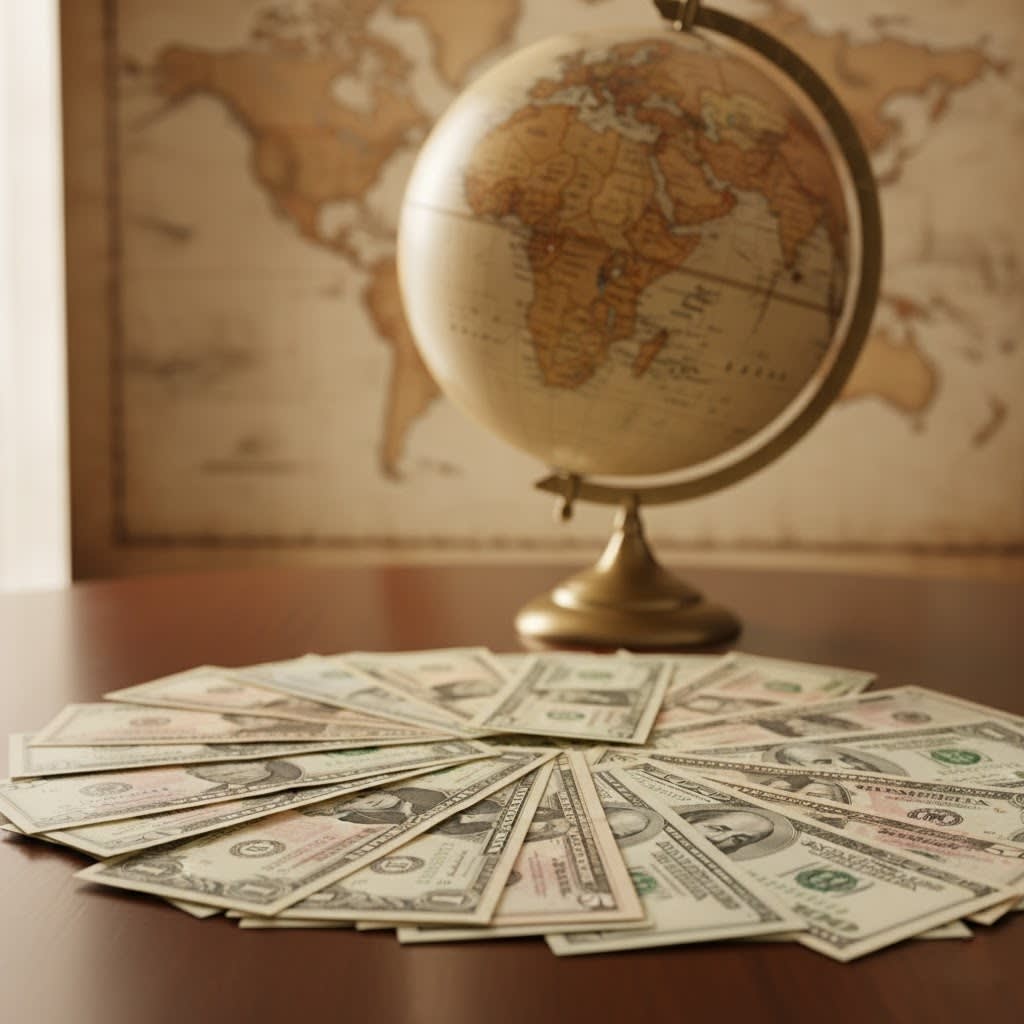
The dollar is more than just a piece of paper or a coin; it is a symbol of global trade, stability, and economic influence. Today, the U.S. dollar is the most widely used currency in the world, accepted for international trade, investments, and reserves. But how did it achieve this status? The story of the dollar is a fascinating journey through history, politics, and economics.
# Origins of the Dollar
The dollar has its roots in the late 18th century. After the United States gained independence, the government needed a stable currency to replace the various colonial coins and foreign money in circulation. In 1792, the U.S. Congress passed the Coinage Act, creating the United States dollar as the official currency. The dollar was based on the Spanish dollar, which was widely used in trade at that time, making it familiar to merchants and citizens.
# The Gold Standard
In the 19th century, the dollar’s value was linked to gold. This meant that the U.S. government guaranteed that each dollar could be exchanged for a specific amount of gold. The gold standard helped build trust in the dollar because people and foreign governments knew it had real value. It also made international trade easier, as countries could use gold or gold-backed currencies in global transactions.
# Rise in Global Trade
The dollar started gaining international recognition in the 20th century. After World War I, European economies were struggling, and the United States emerged as a strong economic power. Many countries began using the dollar for trade, as it was stable and widely accepted. This trend increased after World War II, when the U.S. economy became the largest and most reliable in the world.
# The Bretton Woods System
In 1944, the Bretton Woods Conference changed the global financial system. Countries agreed to fix their currencies to the U.S. dollar, which was itself linked to gold. This system made the dollar the central currency for international trade and finance. The U.S. dollar became the benchmark for global commerce, and other countries held dollars as reserves to stabilize their own economies.
# End of the Gold Standard
In 1971, the United States ended the gold standard under President Richard Nixon. This meant the dollar was no longer directly linked to gold and became a “fiat currency,” whose value is based on trust in the government and economy rather than physical assets. Despite this change, the dollar continued to dominate global trade because of the strength and stability of the U.S. economy.
# Why the Dollar Remains Global
Several factors explain why the dollar remains the world’s leading currency:
1. **Economic Strength:** The U.S. has the largest economy, making the dollar widely used in business and finance.
2. **Global Trade:** Oil, commodities, and many international contracts are priced in dollars, requiring countries to hold and use it.
3. **Trust and Stability:** Investors trust the dollar because the U.S. has a stable government and strong financial institutions.
4. **Financial Markets:** U.S. stock and bond markets attract global investors, reinforcing the dollar’s importance.
# Impact on the World
The dollar’s global dominance affects economies worldwide. Countries hold U.S. dollars as reserves to stabilize their own currencies and facilitate trade. Many international transactions, including oil, gold, and commodities, are priced in dollars. Even tourists visiting other countries often carry dollars because it is widely accepted. The dollar’s influence reaches beyond money—it plays a key role in international politics, trade agreements, and global financial decisions.
# Challenges and Future Outlook
While the dollar remains strong, it faces challenges. The rise of digital currencies, economic shifts, and growing debt could affect its position. Some countries are exploring alternatives to reduce reliance on the dollar for trade. However, given its history, trust, and integration into the global economy, the dollar is expected to remain a major currency for decades to come.
# Conclusion
The history of the dollar is a story of innovation, trust, and economic power. From its origins in the 18th century to becoming a global standard, the dollar has shaped international trade and finance. Understanding its journey helps us appreciate its significance in today’s world. The dollar is more than money—it is a symbol of stability, influence, and global connection, showing how one currency can impact economies around the globe.
About the Creator
Keep reading
More stories from Kashif Wazir and writers in Journal and other communities.
How Dubai Became a Global Real Estate Investment Hub
Dubai, once a small desert city with modest infrastructure, is now one of the world’s most sought-after destinations for real estate investment. Known for its skyscrapers, luxury properties, and innovative developments, Dubai has transformed into a global hub attracting investors, businesses, and residents from around the world. But how did this transformation happen? Let’s explore the journey that turned Dubai into a real estate powerhouse.
By Kashif Wazir3 months ago in Journal
The goals I did not achieve
Every writing goal I made for the year is a wash. It has been this way for a while, but I think it's important to be open about my failures and the reality of how life can get in the way. This is especially true considering the several times I have posted on Vocal about my writing goals, how I was changing my approach, and where I was hoping to be for the upcoming year. I will probably do that again in a couple months, but for now, it is time to acknowledge where I am today.
By Kay Husnick23 days ago in Journal
Why Catholics Believe Faith and Works Go Together
Why Catholics Believe Faith and Works Go Together A question often asked by non-Catholics is how faith and works relate in the Catholic understanding of salvation. Some believe that Catholics rely on “good works” to earn salvation, while others think faith alone is sufficient. The truth in Catholic teaching is that faith and works are inseparably connected, and both are essential for a living, authentic Christian life. Understanding this balance begins with Scripture, is explained through Church teaching, and is supported by centuries of theological reflection.
By Sound and Spirit5 days ago in Journal


Comments
There are no comments for this story
Be the first to respond and start the conversation.