
The Great Gatsby: A Critique of the American Dream and the Wealthy Elite
Themes, Symbolism, and Cultural Context in F. Scott Fitzgerald's Masterpiece
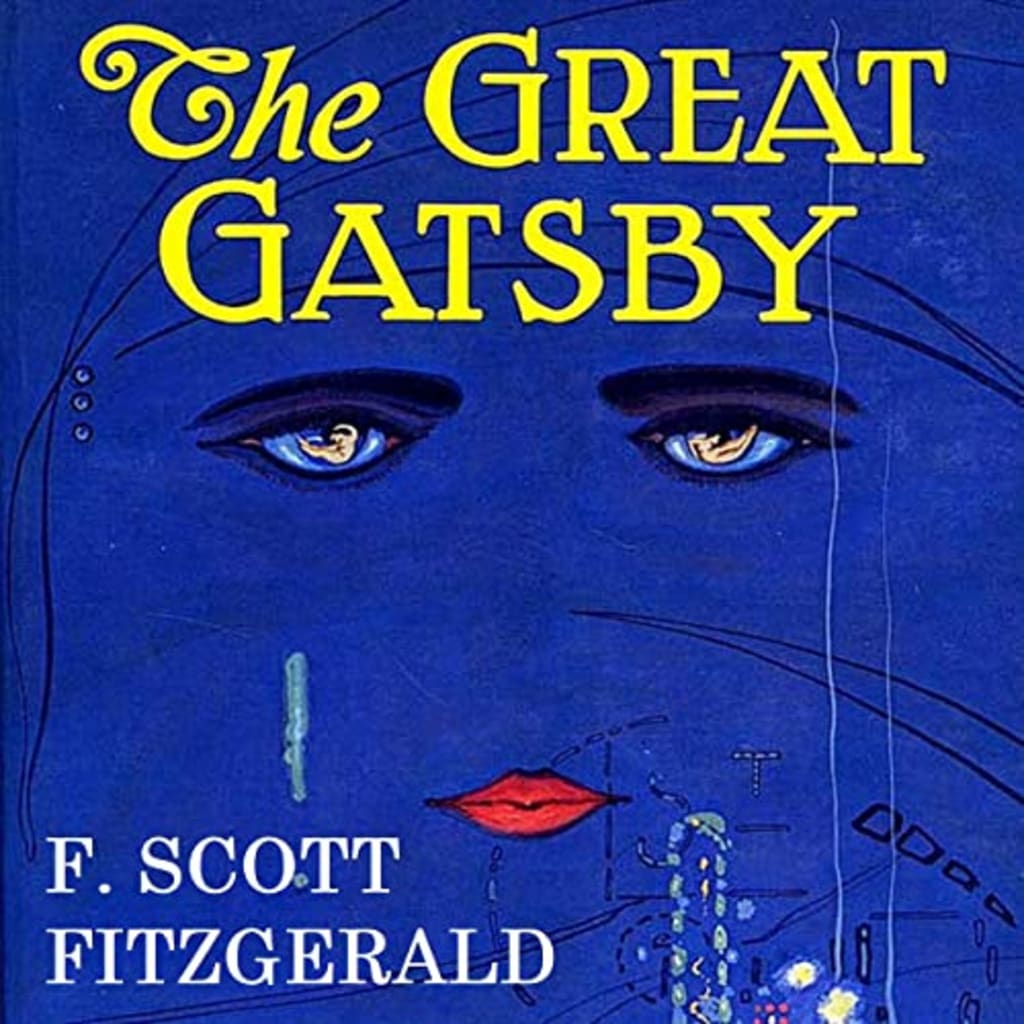
"The Great Gatsby" by F. Scott Fitzgerald is a classic novel that explores the decadence and excess of the Roaring Twenties, a period of great social change in America. The book is widely regarded as a masterpiece of American literature and is a favorite of many readers for its intricate plot, vivid characters, and powerful themes.
Set in the summer of 1922 on Long Island, the story follows the life of Jay Gatsby, a mysterious millionaire who is obsessed with a woman named Daisy Buchanan. Gatsby throws extravagant parties at his mansion in the hopes of winning Daisy back, but his past catches up with him and leads to tragic consequences.
One of the key themes of the book is the corruption of the American Dream, as Gatsby and other characters are shown to be pursuing wealth and status at all costs, even if it means resorting to illegal activities. Fitzgerald portrays the characters as shallow and materialistic, emphasizing the emptiness of their lives despite their wealth and privilege.
Another important theme of the book is the power of illusions and self-deception, as Gatsby creates an elaborate façade to hide his past and win back Daisy's love. The novel also explores the theme of love and the idea of the "one that got away," as Gatsby's obsession with Daisy ultimately leads to his downfall.
Overall, "The Great Gatsby" is a powerful and thought-provoking novel that captures the essence of the Roaring Twenties and the social upheaval of the time. With its unforgettable characters and vivid imagery, it continues to be a beloved classic of American literature.
Key Points:
- "The Great Gatsby" is a novel by F. Scott Fitzgerald, published in 1925.
- The story is set in the summer of 1922 on Long Island and follows the life of a mysterious millionaire named Jay Gatsby.
- The book explores themes such as the corruption of the American Dream, the power of illusions and self-deception, and the idea of the "one that got away."
- The characters are portrayed as shallow and materialistic, emphasizing the emptiness of their lives despite their wealth and privilege.
- The novel is widely regarded as a masterpiece of American literature and continues to be a beloved classic.
- The book is narrated by Nick Carraway, a young man from the Midwest who moves to New York City to work in the bond business.
- Nick becomes friends with his wealthy neighbor, Jay Gatsby, and learns about Gatsby's past and his obsession with Daisy Buchanan, a woman he loved before he went to war.
- Gatsby throws extravagant parties in the hopes of winning Daisy back, but their reunion is short-lived and ends in tragedy.
- The novel explores the concept of class and social status, as the characters are divided into the "old money" and "new money" classes, with Gatsby representing the latter.
- Fitzgerald uses symbolism throughout the book, such as the green light at the end of Daisy's dock that represents Gatsby's longing for her, and the eyes of Dr. T.J. Eckleburg on a billboard that symbolize the loss of traditional values and the corruption of the American Dream.
- The book is also notable for its elegant prose and lyrical descriptions of the characters and settings.
- "The Great Gatsby" has been adapted into several films, stage productions, and even an opera, highlighting its enduring popularity and cultural impact.
- The novel is set during the Jazz Age, a time of great social change and cultural upheaval in America.
- Fitzgerald draws on his own experiences and observations of the wealthy elite in the 1920s to create the characters and settings in the book.
- The novel is structured around the idea of the American Dream, which promises success and upward mobility to anyone who works hard enough. However, the characters in the book are shown to be pursuing the American Dream in a destructive and self-serving way.
- The book also explores the theme of time and the fleeting nature of happiness and success, as the characters are unable to hold onto the things they desire most.
- The ending of the novel is ambiguous and open to interpretation, leaving readers to decide for themselves what happens to the characters after the tragic events that unfold.
- "The Great Gatsby" has been praised for its complex characters, intricate plot, and powerful themes, and is often cited as one of the greatest novels of the 20th century.
- The book has been the subject of much critical analysis and interpretation, with scholars and readers examining its themes, symbolism, and cultural context.
- "The Great Gatsby" has also had a significant impact on popular culture, inspiring countless adaptations, references, and allusions in literature, film, music, and art.
- One of the central themes of the novel is the emptiness and corruption of the wealthy elite, who are shown to be pursuing their own selfish interests at the expense of others.
- Fitzgerald uses the character of Gatsby to critique the idea of the "self-made man," as Gatsby's wealth is ultimately shown to be the result of illegal and unethical activities.
- The novel is also notable for its portrayal of women, who are often objectified and used as symbols of the male characters' desires and aspirations.
- The character of Nick Carraway is often seen as a stand-in for Fitzgerald himself, as both are outsiders who are able to observe and comment on the excesses and flaws of the wealthy elite.
- The book's exploration of the failure of the American Dream and the corruption of the American values of hard work and self-improvement is particularly relevant to the cultural and social context of the 1920s.
- The novel's prose style and use of symbolism have been praised for their poetic and evocative qualities, contributing to the book's lasting impact and popularity.
- "The Great Gatsby" continues to be studied and analyzed in literature courses and remains a widely read and beloved work of American fiction.
About the Creator
Keep reading
More stories from Keerthi Babu and writers in Journal and other communities.
Harry Potter and the Sorcerer's Stone
"Harry Potter and the Sorcerer's Stone" is the first book in the Harry Potter series by J.K. Rowling. It was published in 1997 and has since become a worldwide phenomenon, capturing the hearts and imaginations of millions of readers of all ages.
By Keerthi Babu3 years ago in Fiction
The goals I did not achieve
Every writing goal I made for the year is a wash. It has been this way for a while, but I think it's important to be open about my failures and the reality of how life can get in the way. This is especially true considering the several times I have posted on Vocal about my writing goals, how I was changing my approach, and where I was hoping to be for the upcoming year. I will probably do that again in a couple months, but for now, it is time to acknowledge where I am today.
By Kay Husnick24 days ago in Journal
What I Noticed When Light Stopped Feeling Sharp
I never would have described the light around me as a problem. It was bright enough. Clean. Modern. Exactly what you expect in a well designed indoor space. If someone had asked me whether the lighting felt uncomfortable, I probably would have said no.
By illumipure3 days ago in Journal



Comments
There are no comments for this story
Be the first to respond and start the conversation.