
The General Tsadkan Gebretensae's Warning
Is Another Ethiopia-Eritrea War Imminent?
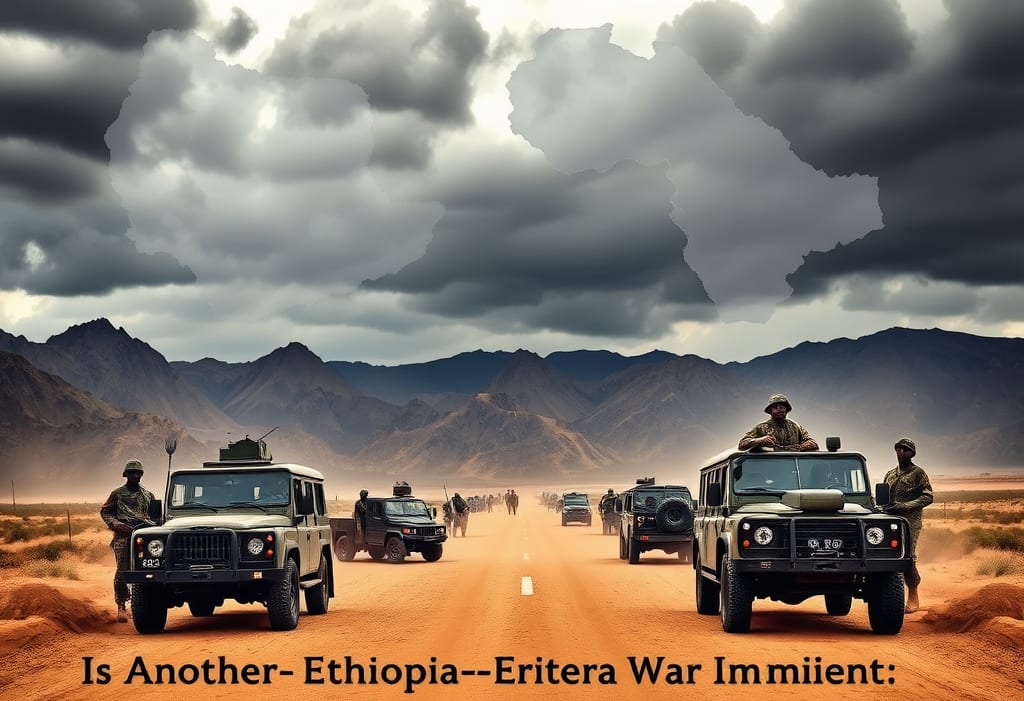
The General's Warning: Is Another Ethiopia-Eritrea War Imminent?
Introduction:
The border between Ethiopia and Eritrea, once a symbol of bloody conflict, has seen periods of uneasy peace since the landmark 2018 agreement that ended decades of hostility. However, recent developments have sparked growing concern, with veteran Tigrayan general Gebretensae Gebrehiwet issuing stark warnings about a potential resurgence of war between the two nations. His words, coupled with escalating tensions on the ground, raise critical questions about the future stability of the Horn of Africa. Is another devastating conflict on the horizon?
Gebretensae's Credibility and Concerns:
General Gebretensae, a prominent figure in the Tigray People's Liberation Front (TPLF), holds significant weight within Ethiopian and Eritrean political circles. His intimate knowledge of the region's dynamics, military capabilities, and historical grievances lends his warnings considerable credibility.
In recent interviews and public statements, Gebretensae has highlighted several factors contributing to the escalating tensions:
Eritrea's Continued Influence in Ethiopia: Despite the peace agreement, Eritrea's military involvement within Ethiopia, particularly in the Tigray region during the recent conflict, remains a contentious issue. Gebretensae argues that Eritrea continues to exert undue influence over Ethiopian affairs, fueling resentment and instability.
Unresolved Border Disputes: While the border was officially demarcated, practical implementation and the resettlement of displaced communities remain unresolved. This creates opportunities for skirmishes and escalations along the border.
The Tigray Conflict's Lingering Effects: The devastating conflict in Tigray has left deep scars and unresolved grievances. The presence of Eritrean troops within Tigray during the conflict and allegations of atrocities committed by Eritrean forces have further poisoned relations.
Economic Competition: Both Ethiopia and Eritrea face significant economic challenges. Competition for resources, trade routes, and regional influence could exacerbate tensions and create incentives for conflict.
Gebretensae has specifically warned that Eritrea, under President Isaias Afwerki, may be exploiting the ongoing instability within Ethiopia to advance its own strategic interests. He cautions against complacency and calls for urgent diplomatic intervention to prevent a full-scale war.
Evidence on the Ground:
Beyond Gebretensae's warnings, several indicators suggest a deterioration of the security situation:
Increased Military Presence: Reports of increased troop movements and military deployments on both sides of the border have raised alarm.
Border Clashes: Sporadic clashes between Ethiopian and Eritrean forces, as well as between Eritrean forces and Tigrayan fighters, have been reported in recent months.
Propaganda and Disinformation: Both sides have engaged in a war of words, with state-controlled media outlets disseminating propaganda and disinformation aimed at demonizing the other.
Displacement of Communities: Continued displacement of communities along the border creates a volatile environment and increases the risk of conflict.
Potential Scenarios:
Several scenarios could trigger a renewed conflict between Ethiopia and Eritrea:
A Border Incident: A minor skirmish or border incident could escalate into a larger conflict.
Eritrean Intervention in Ethiopia: Eritrea could intervene militarily in Ethiopia under the guise of maintaining stability or protecting its interests.
Tigrayan Resistance: Tigrayan fighters, seeking revenge for past grievances, could launch cross-border attacks against Eritrea.
Regional Power Plays: External actors with vested interests in the Horn of Africa could exploit the tensions to advance their own agendas, further destabilizing the region.
The Stakes:
A renewed war between Ethiopia and Eritrea would have devastating consequences for both nations and the wider region:
Humanitarian Crisis: A large-scale conflict would likely lead to a massive humanitarian crisis, with widespread displacement, famine, and disease.
Economic Devastation: Both countries have already suffered significant economic damage from previous conflicts. Another war would further cripple their economies and hinder development.
Regional Instability: A conflict between Ethiopia and Eritrea could destabilize the entire Horn of Africa, potentially drawing in neighboring countries and fueling existing conflicts.
Erosion of Peace Efforts: A renewed war would undermine years of peace efforts and damage the prospects for long-term stability in the region.
Conclusion:
General Gebretensae's warnings about an imminent Ethiopia-Eritrea war should be taken seriously. The escalating tensions on the ground, coupled with unresolved grievances and historical animosities, create a dangerous cocktail that could easily ignite a new conflict. Urgent diplomatic intervention, focused on addressing the underlying causes of tension and promoting dialogue between the two nations, is essential to prevent another devastating war and secure a lasting peace in the Horn of Africa. The international community must engage proactively to de-escalate the situation and ensure the stability of this critical region.
About the Creator
Top tipple tricks
Been thinking a lot about drinking, lately. Not least because of a recent episode of over-indulgence and the inevitable after effects. Some readers may recall the earlier articles I wrote about beating the booze. Here I set out an experiment in techniques for cutting down on my alcohol intake. The experiment was successful, the techniques worked, and I have armed myself with an arsenal of weapons in the war against the demon drink. I have yet to fire the first round however. It's all a question of timing (perhaps procrastination).
By Raymond G. Taylor4 days ago in Psyche




Comments
There are no comments for this story
Be the first to respond and start the conversation.