
The Future of Logistics Services: Automation, Speed, and Customer Satisfaction
Revolutionizing B2B Logistics with Speed and Innovation

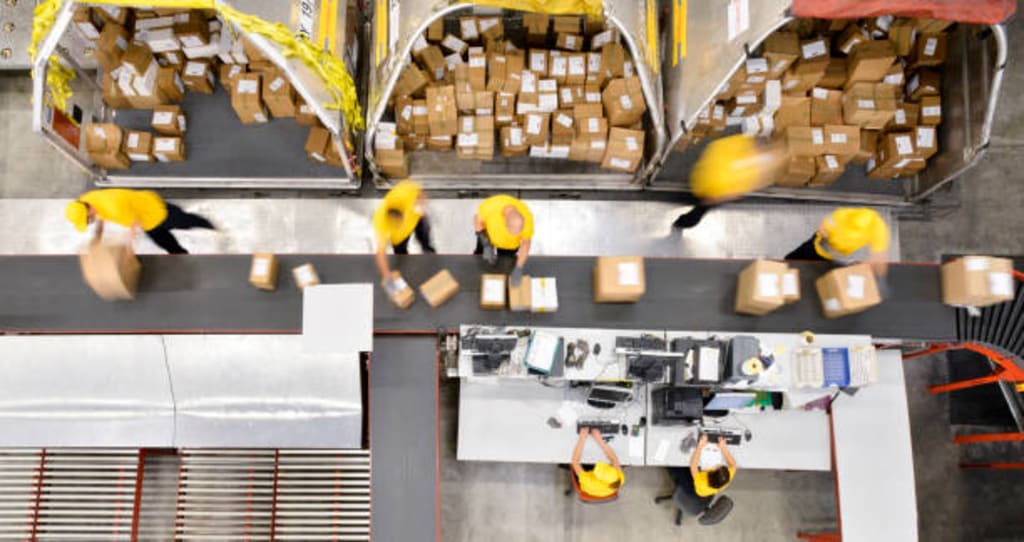
We live in a world that is rapidly digitizing. As a result, logistics is no longer perceived as just transportation from one location to another. It is a sophisticated system that utilizes data to facilitate international trade, particularly in the B2B industry. Logistics has gone through a digital metamorphosis from the warehouse to the final mile. This transformation has altered the expectations pertaining delivery time, service personalization, and transparency in operations.
Logistics Services and Dropshipping Suppliers are vital in this transformation by creating new systems to provide comprehensive services to companies in fast-paced competitive markets. Businesses are always looking for more reliable and quicker ways to meet fulfillment demands. These unmet demands are captured using a technology and customer-focused mindset on fulfillment.
This article focuses on what defines the evolution of logistics in the modern world and how B2B enterprises need to adapt to new shifts in the supply chain.
The Rise of Automation in Modern Logistics
Automation is possibly the most trending feature in logistics and for a good reason. In the B2B industry, where efficiency, accuracy, productivity, and speed matter, automation mitigates human error, minimizes cost of operations, and augments order fulfillment speed in that order.
The following are some of the most pivotal technological advancements facilitating automation:
- Warehouse Management Systems (WMS): These systems enhance warehouse visibility and efficiency by automating monitoring of inventory, order picking, and replenishment activities.
- Robotics and AI: Automated guided vehicles (AGVs) and robotic arms together with AI-powered identification and sorting systems are taking over more manual jobs at scale facilities, enabling around the clock operations with minimal downtimes.
- Smart Packaging: Automated packaging machinery enhances shipment protection as well as size while cutting down on labor and waste expenditure.
Automation permits real-time order execution and synchronization of inventory across networks for businesses that depend on dropshipping suppliers. As more suppliers begin utilizing digital technologies, fulfillment becomes easier and quicker because most of the traditional cross-border trade complexities are resolved.
Speed as a Competitive Advantage
In the current era, no one can operate without speed, as every process demands accelerated pace. Even in B2B scenarios, buyers already expect swift processing times along with clear cut timelines for delivery, which are on par with Amazon’s staggering speed. If your business is unable to provide such services, you’ll likely lose clientele as competitors who can, take the market’s center stage.
- Distributed Warehousing: Keeping inventory in several regional distribution centers (hubs) increases shipping speed and reduces delivery distance.
- AI-Driven Routing: Shipping routes with the lowest shipping cost and delivery times are calculated using complex algorithms.
- Same-Day and Next-Day Fulfillment: First seen in retail, it is now spreading to wholesale and B2B e-commerce.
Traditionally considered slower than inventory models, dropshipping is now faster, thanks to leading dropshipping suppliers who are challenging that perception. Through integration with 3PL partners and rapid fulfillment protocols, these suppliers are achieving speed comparable to in-house logistics.
Customer Satisfaction Is the New KPI
In the past, fulfilling orders and logistics were considered backend functions with no bearing on customer satisfaction. That is no longer true. Today's shipping and delivery precision, along with return policies, define B2B retention and satisfaction.
These shifts are resulting in customer centric approaches to service:
- Real-Time Tracking: Provision of real-time tracking reduces customer service calls and builds trust with the customers.
- Flexible Delivery Options: Allowing different delivery schedules, protective packaging, and uncomplicated return policies addresses diverse customer requirements.
- Proactive Communication: Notice of delays, inventory changes, and delivery shifts mitigate frustration and help manage expectations.
Eliminating the gap between CX and logistics helps deepen business ties and strengthens brand loyalty with B2B customers. This approach is helping win enterprises and market share. Logistics services and dropshipping suppliers focusing on proactivity and clarity are earning enduring contracts and expanding their market.
How Smart Logistics Uses Data
Modern logistics strategy is fueled by data in every sense of the term. Moving forward with analytics or route optimization is only possible with data-backed risk management and machine learning.
Here are some of the ways data is being utilized:
- Demand forecasting: It leverages historical sales data and market trends to predict future orders and adjust stock accordingly.
- Performance analytics: The monitoring of delivery KPIs such as on-time rates and damage reports to highlight weak areas for improvement.
- Supplier reliability scoring: Scoring dropshipping partners on how quickly they fulfill orders, their order accuracy, and communication.
Shared data between dropshipping suppliers and fulfillment providers fosters an ecosystem of mutual transparency where both parties benefit. This increases resource allocation, reduces stockout instances, and enhances overall customer experience.
Complex supplier chains need B2B sellers to have better control and visibility data in order to scale reliably and efficiently.
Innovations in Logistics
Rapid evolution comes with gaps, and B2B businesses risk falling behind the curve. The logistics industry now has a primary need for sustainable and integrated global adaptivity.
To stay in the black, B2B enterprises need to:
- Invest in Integration: Ensure their e-commerce websites, CRMs, and inventories interface with their logistics partners in real-time.
- Prioritize Sustainability: Packaging, off shipping carbon emissions, and waste management are now important differentiators.
- Choose Agile Partners: Maintain relationships with fulfillment providers and dropshipping suppliers that respond swiftly and efficiently to market changes.
- Focus on Experience: Logistics should be treated as an evolving part of the brand. Delivering not only products but presenting professionalism and reliability.
In future, sustainable logistics operations will be those that manage to handle the unexpected while delivering the perpetual promise of service and satisfaction. Aligning your logistics processes, whether a wholesaler, distributor, or emerging B2B brand, along these trends will be critical to scaling sustainably.
Conclusion: Shifting logistics from the underbelly of growth to the driver.
B2B companies are urged to adjust their perception of logistics from an expenditure to a center of strategy, as it no longer qualifies as a cost center. The growing demand for speedier delivery and increased customer satisfaction means B2B SMEs need to shift their approach to fulfillment and supply chain management.
With the aid of modern technology, businesses can now optimize operational intricacies into a distinctive edge by adopting new logistics techniques and cooperating with dropshipping suppliers. The agility, digital mindsets, and the ability to execute exceptional delivery distinguishes winning players in the field.
Are your logistics partners prepared for the challenge?
About the Creator
Keep reading
More stories from Daily Blog and writers in Journal and other communities.
Ayahuasca Retreat: A Journey That Saved My Life
There was a time when my life looked perfect from the outside. I had a following on Instagram, lived what many would call a glamorous lifestyle, and appeared to have it all together. But the truth was very different. Inside, I felt lost, broken, and disconnected from myself. What I didn’t know back then was that one decision — to attend an Ayahuasca retreat — would change everything and give me my life back.
By Daily Blog6 months ago in Journal
Author’s Advice
If you would’ve asked me 20 years ago did I know I’d become a writer and an author, I would’ve said “nope, ain’t happening”. As fate would have it I did become an author and I can honestly say I’m loving it so far. It really does feel good to be a writer. I’ve learned a lot on this journey and I feel like with even me being as new to this world as I am, there’s some wisdom I need to share with every other aspiring author.
By Joe Patterson4 days ago in Journal
The Forsyth House Fire
Since 1851, Forsyth House has stood on the corner of Union Street and Gordon Street in the heart of Glasgow. Its iconic, or was... because on Sunday 8th of March, 2026, a fire broke out in a small, seemingly un-named shop in the building and tore all that history down. As I write, the rubble is still unsettled and the street is still blocked off. Central Station is quiet on the upper level, and around 30 small businesses have quite literally gone up in smoke.
By S. A. Crawford3 days ago in The Swamp




Comments