
The Future of Healthcare Data Management Software Development: A Complete Guide to MDM Solutions
Healthcare Data Management Software Development
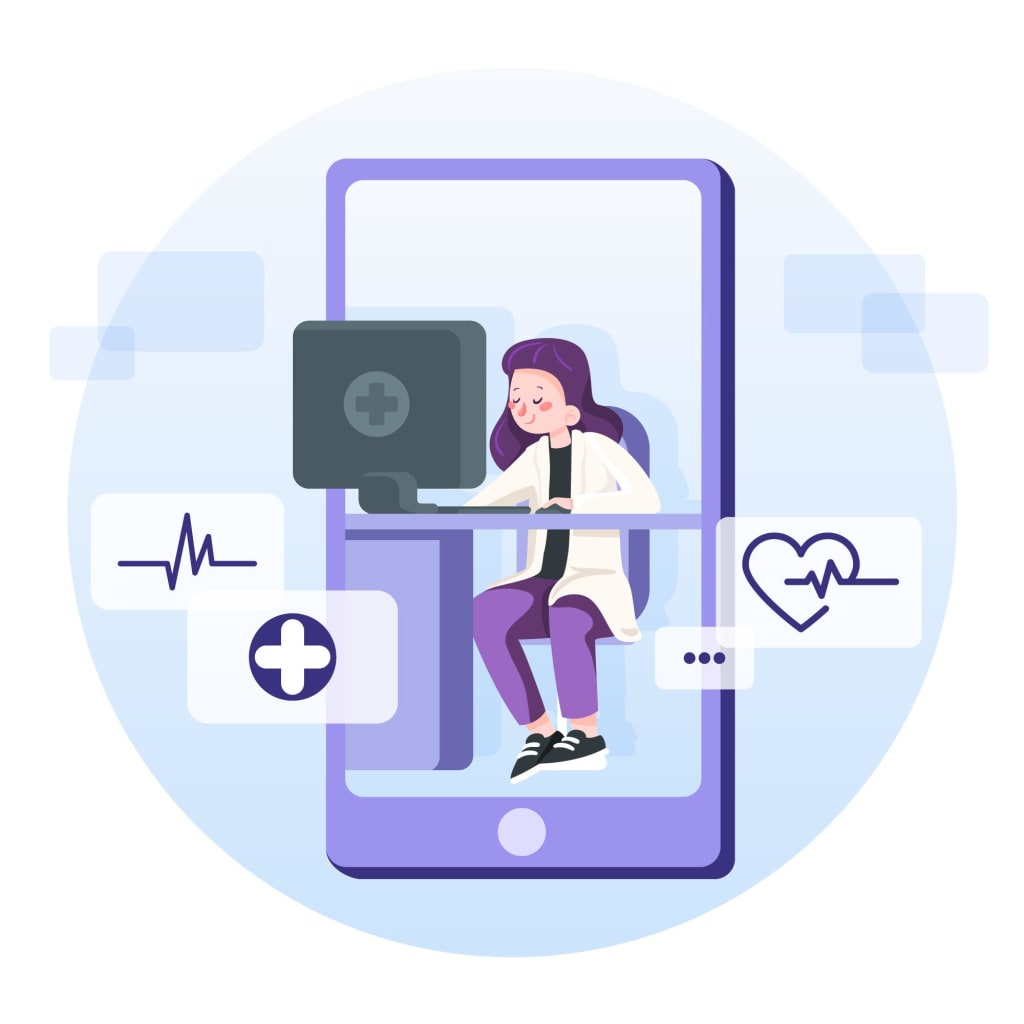
As digital transformation accelerates across the healthcare sector, data has become one of the most valuable assets for hospitals, clinics, insurers, and research institutions. Yet, the biggest challenge isn’t collecting data — it’s unifying and using it efficiently. This is where healthcare data management software development and advanced Master Data Management (MDM) solutions step in. MDM ensures that critical healthcare data remains accurate, consistent, and accessible across multiple systems, enabling better decisions and improved patient outcomes.
In this guide, we explore how MDM is reshaping the future of healthcare, the core components of effective MDM solutions, and how organizations can implement robust data management systems to stay ahead.
Why MDM Matters in Modern Healthcare
Healthcare organizations generate enormous amounts of data every day — patient histories, lab results, pharmacy records, imaging files, insurance claims, and more. Unfortunately, these data sets often live in silos, creating fragmented patient profiles and inconsistent information.
MDM solves this problem by acting as a single, unified source of truth.
Here’s why MDM has become essential:
1. Accurate and Consistent Patient Records
Duplicate profiles, mismatched IDs, and incomplete data are common issues. MDM ensures every patient has one clean, consolidated record.
2. Seamless Interoperability
Healthcare systems rely on various EHRs, telehealth apps, billing platforms, and analytics tools. MDM connects these systems so they can exchange structured and unstructured data effortlessly.
3. Better Clinical Decision-Making
Real-time, high-quality data improves diagnosis, treatment planning, and medication management.
4. Regulatory Compliance
MDM simplifies compliance with regulations such as HIPAA, GDPR, HL7, and FHIR by ensuring data accuracy and secure access.
The Role of Healthcare Data Management Software Development
Custom healthcare data management software development allows organizations to build solutions tailored to their unique processes, workflows, and compliance needs.
Key Areas Where Development Plays a Crucial Role:
1. Data Integration
Healthcare systems use different formats and standards. Custom software ensures smooth integration using APIs, FHIR, HL7, and other interoperability protocols.
2. Identity and Record Matching
MDM uses machine learning algorithms and rule-based matching to identify duplicates and merge records, providing a unified patient identity.
3. Data Governance
Custom governance modules help monitor data quality, user access, audit logs, and update histories.
4. Security and Compliance
Developing encryption layers, role-based authentication, and secure data-sharing protocols ensures systems stay compliant and protected.
5. Scalability and Performance
As data grows, the platform must scale without performance issues — custom development ensures this flexibility.
Core Components of a Healthcare MDM Solution
A successful MDM solution consists of several interconnected modules:
1. Master Patient Index (MPI)
At the heart of MDM, the MPI assigns a unique identifier to every patient ensuring accuracy across all systems.
2. Data Quality Engine
It continuously monitors data quality and automatically resolves formatting errors, duplicates, and inconsistencies.
3. Workflow Automation
Automation helps streamline administrative and clinical processes such as registration, admissions, billing, and care coordination.
4. Data Integration Layer
APIs and integration bridges connect EHRs, lab systems, pharmacy systems, telemedicine apps, and billing tools into a unified database.
5. Analytics and Reporting
An MDM system provides actionable insights to help healthcare organizations improve operations, reduce errors, and enhance patient care.
Benefits of Implementing MDM in Healthcare
✔ Improved Patient Safety
Accurate medication history, allergies, and diagnosis details help clinicians make safer choices.
✔ Reduced Operational Costs
Eliminating duplicate records saves storage costs and reduces administrative tasks.
✔ Faster Decision-Making
With clean and well-organized data, healthcare providers get real-time visibility into patient journeys.
✔ Enhanced Data Security
MDM enforces strict access controls and auditing to ensure responsible data handling.
✔ Better Patient Experience
With unified data, patients benefit from seamless care coordination across departments and facilities.
Emerging Technologies Shaping the Future of MDM in Healthcare
The next generation of MDM solutions will be smarter, more scalable, and more intuitive thanks to emerging technologies.
1. Artificial Intelligence and Machine Learning
AI-powered MDM enhances identity resolution, anomaly detection, and predictive analytics, enabling more accurate record-matching and automated data quality improvement.
2. Blockchain for Data Security
Blockchain ensures tamper-proof data sharing across healthcare systems, making patient data more secure and traceable.
3. Cloud-Native MDM Platforms
Cloud-based solutions provide scalability and lower infrastructure costs while enabling real-time data synchronization.
4. IoT and Wearable Device Integration
MDM will play a major role in processing continuous data streams from wearables, remote monitoring tools, and medical IoT devices.
5. NLP (Natural Language Processing)
NLP helps extract meaningful insights from clinical notes, prescriptions, and unstructured medical documents.
Challenges in MDM Implementation and How to Overcome Them
Despite its advantages, MDM adoption comes with challenges:
1. Data Silos and Legacy Systems
Many organizations still rely on outdated systems. Modernizing the infrastructure or building custom adapters is essential.
2. High Initial Investment
Although expensive initially, the long-term operational savings and efficiency gains make MDM cost-effective.
3. Change Management
Staff training, workflow adjustments, and organizational buy-in are critical for successful adoption.
4. Interoperability Issues
Adhering to standards like HL7, FHIR, and DICOM ensures smoother data exchange.
The Future of Healthcare Data Management Software Development
The future of healthcare data management software development is moving toward automation, personalization, and intelligence-driven workflows. MDM systems will become more adaptable, predictive, and patient-centric. Innovations such as AI-enabled record matching, real-time interoperability, and blockchain-backed security will redefine how healthcare organizations manage and utilize data.
As the volume and variety of healthcare data continue to surge, investing in robust MDM solutions will no longer be optional — it will be essential for delivering high-quality, coordinated, and cost-effective healthcare.
Conclusion
MDM is transforming the foundation of healthcare data operations. With the right healthcare data management software development strategy, organizations can overcome data fragmentation, streamline clinical workflows, and unlock meaningful insights that improve patient care. As new technologies redefine the healthcare ecosystem, MDM will continue to be the backbone of data-driven decision-making and digital health innovation.
About the Creator
Global trade’s lifelines: 6 shipping lanes that keep the world economy moving
Maritime shipping lanes are the unsung lifelines of global trade. Roughly 90% of the world’s goods—from electronics and oil to food and raw materials—travel by sea, navigating a network of strategic shipping corridors that connect producers to consumers across continents. Disruptions along these routes can ripple across the global economy, impacting supply chains, energy prices, and trade flows. Here are six critical shipping lanes that underpin international commerce: 1. The Strait of Hormuz Located between Oman and Iran, the Strait of Hormuz is a narrow passage through which roughly 20% of the world’s oil supply passes. Tankers from Gulf nations rely on this corridor to transport crude to Europe, Asia, and the Americas. Heightened regional tensions can quickly drive up oil prices, as recent conflicts and military posturing have shown. 2. The Suez Canal The Suez Canal connects the Mediterranean Sea to the Red Sea, allowing ships to bypass the lengthy voyage around Africa’s Cape of Good Hope. The canal handles approximately 12% of global trade, making it one of the most strategically important maritime routes. The 2021 blockage by the container ship Ever Given demonstrated how a single incident can stall billions of dollars in goods. 3. The Strait of Malacca Between Malaysia and Indonesia, the Strait of Malacca serves as the main artery for ships traveling between the Indian Ocean and the Pacific. Around 25% of all traded goods pass through this narrow channel, including oil, electronics, and commodities. Its vulnerability to congestion or piracy has prompted constant monitoring and security initiatives. 4. The Panama Canal Connecting the Atlantic and Pacific Oceans, the Panama Canal facilitates the rapid movement of goods between Asia and the Americas. For decades, the canal has shortened transit times and reduced fuel costs for shipping companies. Recent expansions allow larger vessels to pass through, accommodating the growth of global containerized trade. 5. The English Channel One of the busiest shipping lanes in the world, the English Channel links the United Kingdom to continental Europe. Nearly 500 ships pass daily, carrying everything from raw materials to finished products. Its strategic position near Europe’s industrial and financial hubs makes it crucial for European commerce, especially during Brexit-related logistical shifts. 6. The Bab el-Mandeb Strait Connecting the Red Sea to the Gulf of Aden, the Bab el-Mandeb Strait sits between Djibouti and Yemen. About 4.8 million barrels of oil daily flow through this route, alongside other key commodities. Regional instability, piracy, and conflict in nearby areas have raised concerns over potential disruptions. Why These Routes Matter Global shipping lanes are not just pathways for goods—they are economic arteries that sustain industry, employment, and geopolitical influence. Even minor blockages can trigger cascading effects, delaying shipments, inflating prices, and disrupting production cycles. For instance, disruptions in the Suez Canal or Strait of Hormuz often lead to surging oil prices and logistical bottlenecks worldwide. Shipping companies, governments, and international organizations invest heavily in monitoring, securing, and maintaining these corridors. Advances in maritime technology, satellite navigation, and coordinated international patrols help mitigate risks such as piracy, geopolitical tensions, and accidents. Challenges Ahead Despite these safeguards, global shipping remains vulnerable. Rising geopolitical tensions, climate change, and evolving security threats could jeopardize these vital routes. Analysts warn that the reliance on a handful of narrow corridors makes the global economy susceptible to unforeseen shocks. Diversifying routes and improving maritime infrastructure are considered key strategies for resilience. The lifelines of global trade are more than just shipping lanes—they are critical components of the modern economy, linking markets, nations, and people. Protecting them ensures not only the smooth flow of goods but also global economic stability, energy security, and international cooperation. As trade volumes continue to grow and international tensions rise, these six corridors will remain under scrutiny, reminding the world just how interconnected and fragile the modern global supply chain truly is.
By Fiaz Ahmed 4 days ago in Journal
Complete Guide to Types Of Tank, Benefits, and Installation
Water tanks are essential for storing clean water for residential, commercial, agricultural, and industrial use. Whether for homes, buildings, farms, or factories, choosing the right water tank ensures a reliable water supply and long-term durability.
By Solution Boxes4 days ago in Journal
Top tipple tricks
Been thinking a lot about drinking, lately. Not least because of a recent episode of over-indulgence and the inevitable after effects. Some readers may recall the earlier articles I wrote about beating the booze. Here I set out an experiment in techniques for cutting down on my alcohol intake. The experiment was successful, the techniques worked, and I have armed myself with an arsenal of weapons in the war against the demon drink. I have yet to fire the first round however. It's all a question of timing (perhaps procrastination).
By Raymond G. Taylor2 days ago in Psyche


Comments
There are no comments for this story
Be the first to respond and start the conversation.