
The Future of Airport Advertising in India: Trends to Watch
Airport Advertising in India
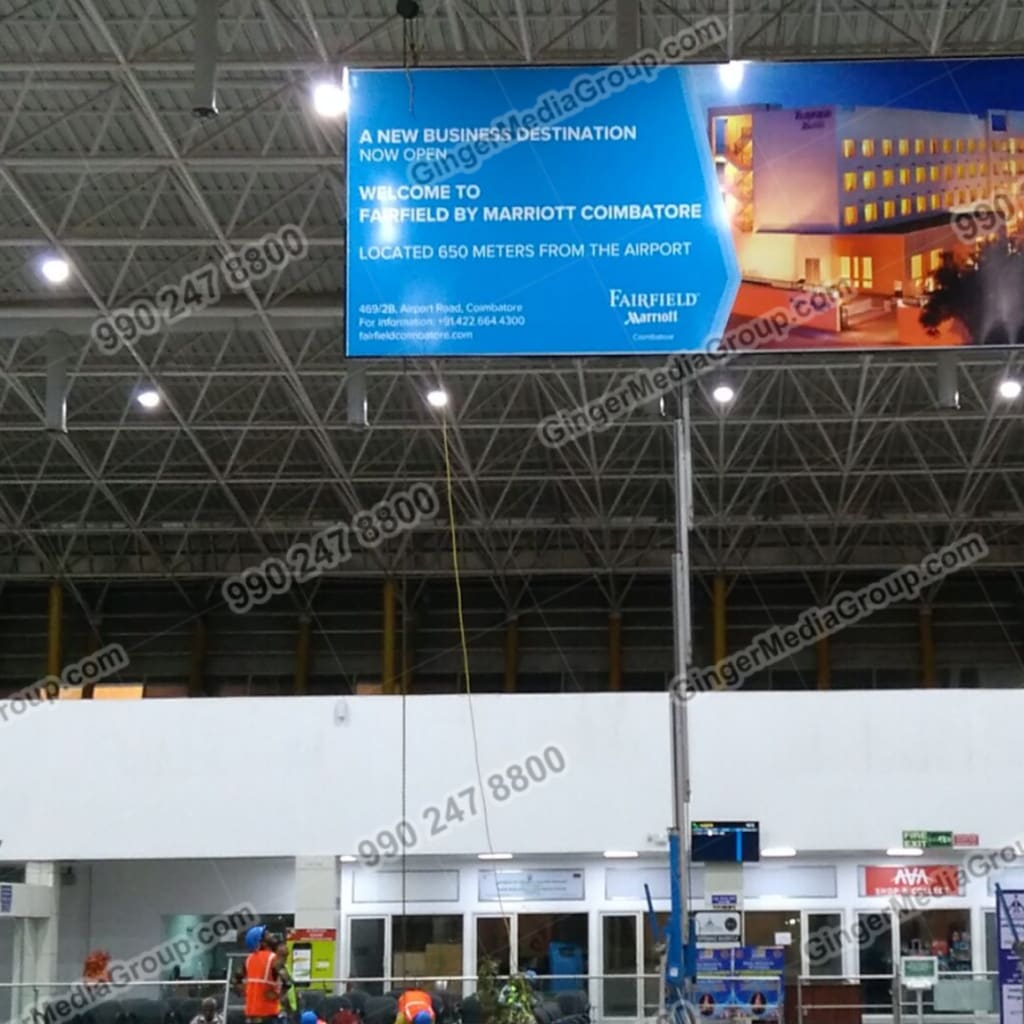
More and more Indians are flying, and so is the pace of change in Indian airport advertising. An increasingly important medium for reaching a captive audience cut across all age groups and socio-economic strata, airports have emerged as a coveted vehicle for brands. And from this growth sector come new trends that change the face of airport advertising. Whether through new technologies or content strategies, these trends are opening up creative opportunities for brands, often with the support of an offline marketing agency. Here are key trends to watch in India's future airport advertising.
1. Increased use of Digital Out-of-Home (DOOH) Advertising
The major trend in Indian airport advertising is the shift towards Digital Out of Home, or DOOH, media. Digital screens will be placed in airports, and advertisers can deliver dynamic, attention-grabbing messages to travelers coming through the terminal, unlike static messages used in ordinary, non-digital advertising. This can include changing flight schedules, current events, and social media, thus ensuring freshness of messaging.
The increased programmatic advertising within the DOOH environment allows marketers to reach specific demographics in a real-time data context. It will enable them to tailor such ad campaigns to change their message based on the day, audience insight, and even some aspects of weather, thus offering more personalized appeal.
2. Sustainability and Eco-Friendly Initiatives
Yet another significant trend influencing the future of airport advertising in India is the movement towards sustainability. While environmental concerns remain prominent, each airport and brand wants to create more minimal ecological footprints. Therefore, biodegradable billboards and low-energy digital displays are observed.
An airport also ensures sustainability through its infrastructure; therefore, brands need to relate to the set goal. Brands will hence ensure that their campaigns are well-drawn to capture but simultaneously focus on a message of eco-awareness that would epitomize the modern traveler by collaborating with an offline marketing agency.
3. Interactive and Immersive Experiences
As the Indian consumer becomes accustomed to personalized, interactive experiences, more than just static displays to advertise are taking place inside and outside airports. Augmented reality and virtual reality are relatively new technologies that together can create immersive experiences in ways travelers can be engaged that have yet to be imagined and may open new doors in this area. For example, an AR installation is where the passenger interacts with a 3D image via a smartphone, or a VR installation where "the experience" for the user "is" the brand's story.
These campaign interactivities result in higher engagement of travelers with the brand. Therefore, after leaving the airport, there will be a more substantial probability of people remembering and associating with the brand. Integrating such advanced technologies by an offline marketing agency into its ad strategies in the airport will help maximize the reach.
4. Localization and Regional Targeting
India is such a vast and culturally diverse country, and regionalized approaches to advertising can be highly effective in reaching target audiences. In the future, be prepared to find much greater airport-specific local adaptations of advertising in India, more attuned to local culture, language, or travelers' preferences. The viewer will feel closer to home because the message will resonate much better.
Proper localization would make brands stand out, particularly in a metro airport such as the one in India, where it is clear that even international and domestic clients view various advertisements. This agency would ensure region-specific campaigns that resonate with these audiences to get the brand's message straight through to the people.
5. Data-Driven Insights and Analytics
With growing digital capabilities in advertising at airports, the amount of data also goes up. More and more ideas start surfacing about how people are reacting to an ad, such as viewing counts and social media engagement levels, which advertisers can use to target their campaigns more precisely and optimize their advertising spending.
With increasing airports embracing smart technologies, such as Wi-Fi tracking and beacon technology, to gain insights into foot traffic patterns, dwell times, and demographics of visitors, it's also possible for brands to gather data from them.
A data-driven approach mainly supports effective decision-making and better ROI for campaigns across airport ads.
6. Tie-ups with Airport Operators
The more that will emerge from this analysis is the advertising potential tied to this great commercial hub. In light of this, brands will increasingly collaborate with airport owners to create a campaign that may be woven into the traveler's journey via branded lounges, sponsoring events within the airport, or integration with airport services like Wi-Fi or parking.
All these collaborations evolve a more integrated brand experience, which makes targeting the attention of busy travelers easier. This can be given due importance if the program is efficiently executed by an agency handling offlineoffline marketing.
Conclusion
The future of airport advertising in India seems thrilling because of its developments. From the ascendancy of DOOH and immersive technology to the push for sustainability and data-driven insights, there is indeed much firepower in terms of tools for brands to create compelling, effective campaigns. Leaning into these trends and partnering with an offline marketing agency is the only way to unlock every key opportunity in airport advertising to touch the target market meaningfully in such a competitive space.
About the Creator
The goals I did not achieve
Every writing goal I made for the year is a wash. It has been this way for a while, but I think it's important to be open about my failures and the reality of how life can get in the way. This is especially true considering the several times I have posted on Vocal about my writing goals, how I was changing my approach, and where I was hoping to be for the upcoming year. I will probably do that again in a couple months, but for now, it is time to acknowledge where I am today.
By Kay Husnick24 days ago in Journal
Why Florida Car Dealers Must Carry a Surety Bond
If you’re planning to open a used car dealership in Florida, one of the first compliance requirements you’ll encounter is the dealer surety bond. Many people assume this is just another formality in the licensing process, but it plays a much bigger role than most applicants realize.
By American US Insurance6 days ago in Journal




Comments
There are no comments for this story
Be the first to respond and start the conversation.