
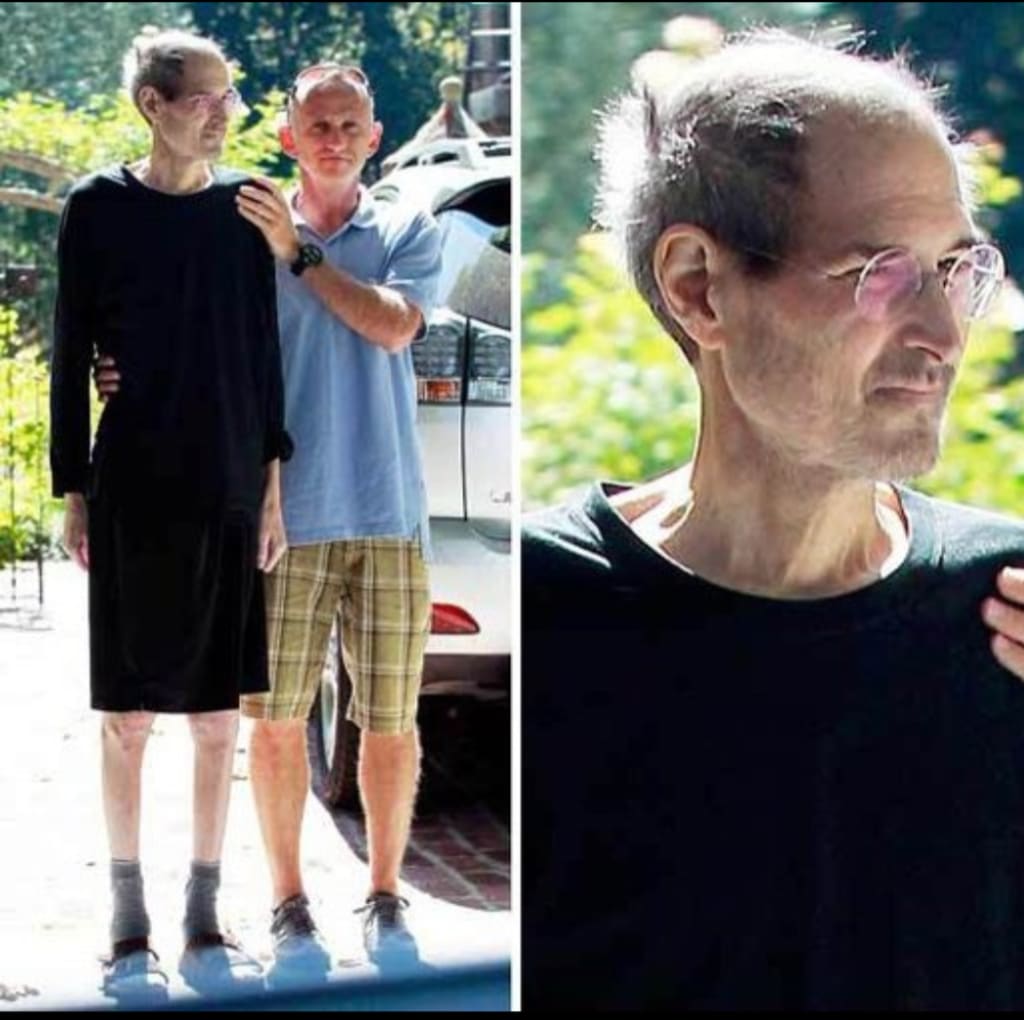
The Final Lesson: What Life Teaches Us at the End
There comes a time in every person’s life when success, fame, and wealth lose their meaning. That time is when we lie quietly, facing the end — looking back not at what we owned, but how we lived. The story of a dying man’s last words reminds us of this powerful truth. He said, “I have reached the pinnacle of success in business. In the eyes of others, my life was the epitome of success. But apart from work, I had little joy. In the end, wealth is just a fact of life to which I am accustomed.”
Those words carry the weight of realization — the kind that only comes when everything else slips away. He had everything the world could offer: luxury, comfort, status. Yet in his final moments, he discovered that the things he valued most had no true meaning when measured against the final breath of life.
He went on to say, “You can hire someone to drive the car for you or to earn money for you, but you cannot hire someone to bear your sickness for you.” This truth hits hard. It reminds us that no matter how much money or power we possess, there are limits to what we can control. We can delegate our work, our errands, our responsibilities — but not our pain, not our time, not our mortality.
Material things can be replaced. Lost fortunes can be rebuilt. But life, once lost, can never be regained. When a person enters the operating room, they realize there is one book they have not yet finished — The Book of Healthy Living. This simple thought captures something most people forget in the race for success: health is the foundation of everything. Without it, all other achievements fade into insignificance.
As human beings, we often believe happiness is tied to material comfort. A bigger house, a better car, a higher position — we chase these things, thinking they will bring satisfaction. But as we grow older, we realize that true happiness doesn’t come from owning more; it comes from appreciating more.
Whether you wear a watch worth $300 or $30, it tells the same time. Whether your wallet is made of luxury leather or simple fabric, the money inside is the same. Whether you drive a $150,000 car or a $30,000 one, you still travel the same road to reach your destination. Even the difference between a $300 bottle of wine and a $10 bottle ends in the same hangover. These comparisons are not just about money — they are about perspective.
When the house you live in is 3,000 square meters or 300, the loneliness is the same when you are alone. When a plane crashes, it doesn’t matter if you are in first class or economy — everyone meets the same fate. These realities strip away the illusion that wealth can separate us from life’s fundamental truths.
The dying man’s words remind us that what truly matters are the things we often overlook — love, kindness, friendship, laughter, and peace of mind. “Affection,” he said, “love for your family, your spouse, your friends… Treat yourself well. Appreciate others.” In those few sentences lies the essence of a meaningful life.
As time passes, we begin to see what we once ignored. Happiness comes not from luxury, but from moments. It’s found in shared meals, gentle hugs, warm conversations, and laughter with friends. It’s in watching the sunset with someone you love, in helping others, in forgiving, and in finding peace with yourself.
When we chase money endlessly, we often forget to live. We work to earn, and earn to spend, but sometimes we forget to breathe, to smile, to pause. We think success will bring happiness, but often it only brings exhaustion. True success is not measured by the things we accumulate, but by the love we give, the peace we carry, and the lives we touch.
So, what can we learn from those final words? Life is short, and time is precious. Don’t waste it chasing things that lose value when the end comes close. Care for your health. Treasure your relationships. Laugh often, love deeply, and live simply.
At the end of life, no one will remember the car you drove or the clothes you wore. They will remember how you made them feel, how kind you were, how sincerely you loved. That is the real legacy — one that no illness, no loss, and no death can erase.




Comments
There are no comments for this story
Be the first to respond and start the conversation.