
The Evolution of James Bond: From Iconic Spy to Modern Action Hero
A Look at the History, Impact, and Future of the 007 Franchise

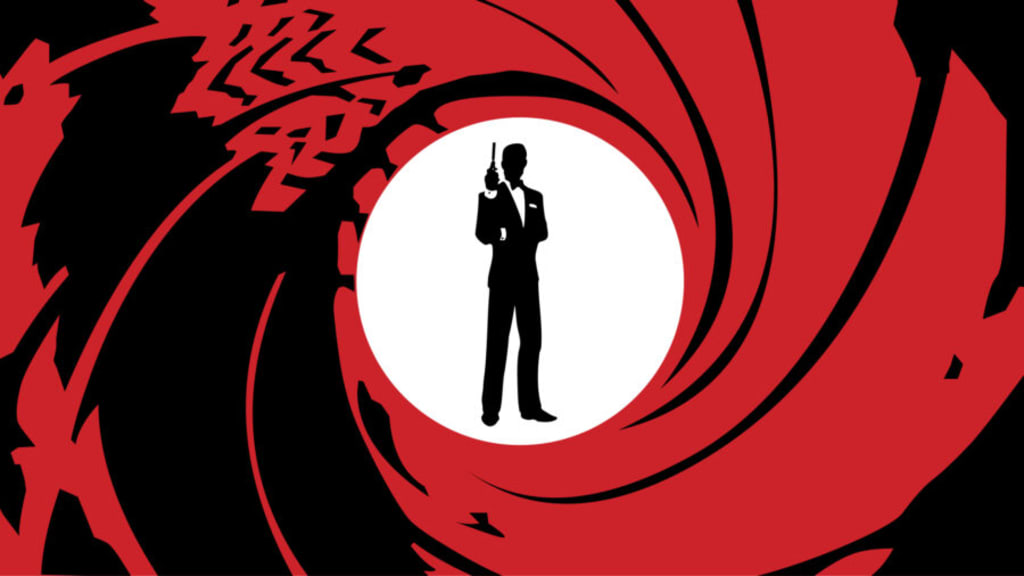
For over six decades, James Bond has been one of the most recognizable and beloved characters in popular culture. From the pages of Ian Fleming's novels to the big screen, this iconic British spy has entertained audiences with his daring adventures, cool gadgets, and suave demeanor. However, as times have changed, so has Bond. In this article, we'll explore the evolution of James Bond, from his origins to his current state as a modern action hero, and what the future holds for the 007 franchise.
Origins of James Bond
James Bond was created by author Ian Fleming, who wrote 14 novels and numerous short stories featuring the character. The first Bond novel, "Casino Royale," was published in 1953 and introduced readers to the suave, sophisticated secret agent who worked for the British intelligence agency MI6. Over the course of the series, Bond faced a variety of villains and threats, from Soviet spies to international criminals.
The Bond novels were successful from the start, and in 1962, the first James Bond film, "Dr. No," was released. Starring Sean Connery as Bond, the film was a hit and kicked off a series of movies that has continued to this day. The films expanded on the world of James Bond, introducing new characters, gadgets, and villains, and creating a cinematic icon that has endured for decades.
Impact of James Bond
James Bond has had a significant impact on popular culture, influencing everything from fashion to music to film. The character has become synonymous with coolness and sophistication, and his image has been imitated and parodied countless times over the years. Bond's iconic Aston Martin, gadgets like the jetpack and exploding pen, and his signature catchphrase, "shaken, not stirred," have all become part of the cultural lexicon.
Beyond his influence on popular culture, James Bond has also had an impact on the spy genre itself. The Bond films introduced a level of style and glamour to the world of espionage that had never been seen before, and they set the standard for future spy movies to come. The series has also been credited with popularizing the "action hero" archetype, which has become a staple of modern cinema.
Evolution of James Bond
As times have changed, so has James Bond. While the character started out as a suave, sophisticated spy, he has evolved over the years into a more modern action hero. This change is reflected in the films themselves, which have become increasingly action-packed and focused on spectacle.
The shift towards a more action-oriented Bond began in the late 1980s with the introduction of Timothy Dalton as the new Bond. Dalton's interpretation of the character was darker and more serious than his predecessors, and the films he starred in, "The Living Daylights" and "Licence to Kill," were more violent and gritty than previous entries in the series.
The trend towards a more action-packed Bond continued with the arrival of Pierce Brosnan in the 1990s. Brosnan's Bond was more suave and charming than Dalton's, but the films he starred in, such as "GoldenEye" and "Tomorrow Never Dies," were still focused on high-octane action and spectacle.
The most recent iteration of James Bond, played by Daniel Craig, represents the biggest departure from the character's origins. Craig's Bond is a darker, more brooding figure than any previous version, and the films he has starred in, such as "Casino Royale" and "Skyfall," are more violent and intense than anything that came before. This new take on Bond has been incredibly successful, both critically and commercially, with Craig's films breaking box office records and earning critical acclaim.
Future of James Bond
As the Craig era of James Bond comes to a close with the upcoming release of "No Time to Die," the future of the franchise is uncertain. The role of Bond is expected to be recast, and there has been much speculation about who will take on the iconic role. However, it's clear that whoever steps into Bond's shoes will have big shoes to fill.
The future of the franchise may also see a shift towards more diverse representation. In recent years, there have been calls for a non-white actor to play Bond, and there have also been discussions about the possibility of a female Bond. While these ideas have been met with some resistance from fans, they could represent a new direction for the franchise as it seeks to remain relevant in a changing cultural landscape.
Conclusion
James Bond is a cultural icon, and his influence on popular culture is undeniable. From his origins as a suave spy to his current status as a modern action hero, Bond has evolved to reflect the changing times. While the future of the franchise is uncertain, it's clear that Bond will continue to be a part of our cultural consciousness for years to come. Whether played by a man, a woman, or someone of a different race, James Bond will always represent the ideal of coolness, sophistication, and daring adventure.
About the Creator
Aadithyan
With a love for exploring the world and a passion for sharing my experiences through words, my articles is a window into my life and a source of inspiration for those seeking adventure. From travel tips to personal stories
Author’s Advice
If you would’ve asked me 20 years ago did I know I’d become a writer and an author, I would’ve said “nope, ain’t happening”. As fate would have it I did become an author and I can honestly say I’m loving it so far. It really does feel good to be a writer. I’ve learned a lot on this journey and I feel like with even me being as new to this world as I am, there’s some wisdom I need to share with every other aspiring author.
By Joe Patterson3 days ago in Journal
My First Time Skiing and I Got Lost, Alone, in the French Alps
Looking back, I can trace some of my life’s biggest adventures to a simple action from my sister. She’d introduced me to Tommy (a very long time ago), a colleague of hers, who had overshared his penchant for Italian-looking women, and I ticked that box.
By Chantal Christie Weiss2 days ago in Humans




Comments
There are no comments for this story
Be the first to respond and start the conversation.