
The Evolution of Beauty Standards for Female Models in India
Tracing the Shifting Beauty Ideals in India’s Modeling Industry

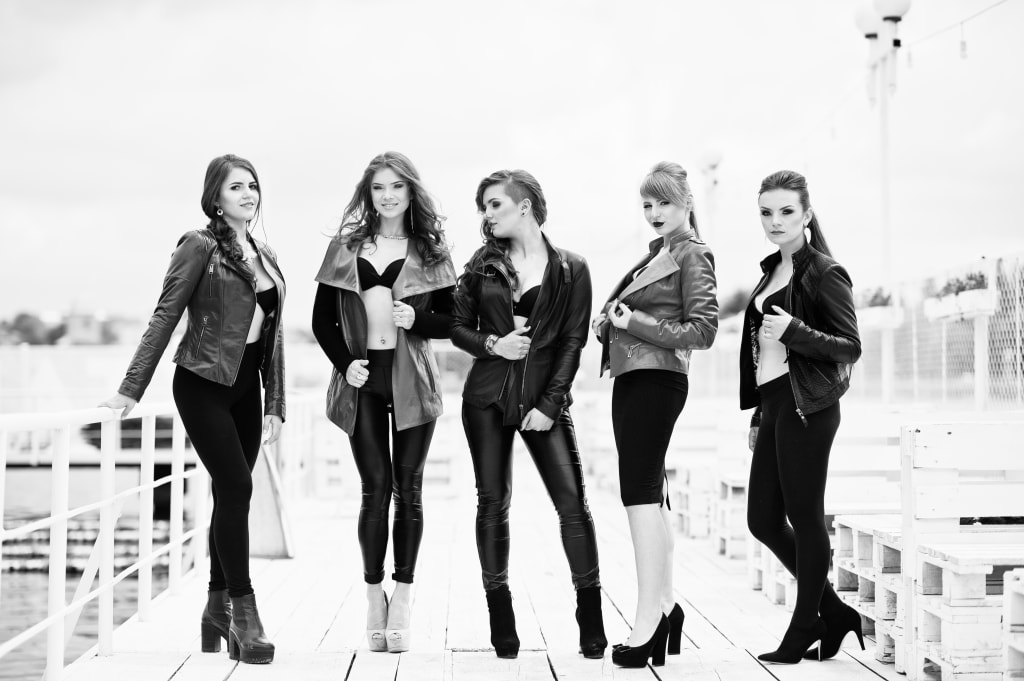
Beauty standards play a significant role in shaping the modeling industry, and in India, these ideals have undergone a remarkable transformation. Over the years, the image of the "ideal" female model has expanded far beyond what was once the norm. From traditional beauty expectations to the diverse, inclusive standards we see today, the journey has been anything but linear. Let’s take a closer look at how beauty standards for female models in India have evolved and how they continue to shape the industry.
Early Beauty Standards in India
In the early days of modeling and Bollywood, the beauty standards for women were highly influenced by traditional societal values. Fair skin, a slim figure, and long, silky hair were considered the epitome of beauty. These ideals were reinforced by Bollywood, where leading actresses with fair complexions and delicate features dominated the screen and set the bar for feminine allure. Female models in India were often expected to fit these same traits, leading many to feel pressured to conform to a very specific mold.
While the modeling industry in India was still in its early stages, these narrow beauty standards were reinforced by advertisers and filmmakers who sought to appeal to the majority's ideals of femininity. Models who didn't fit into this mold, especially those with darker skin tones, fuller figures, or unconventional features, often struggled to gain recognition or professional opportunities.
The Influence of Western Beauty Standards
As globalization took root and international fashion began to make its way into India, Western beauty standards started influencing the modeling industry. The influx of Western media, fashion, and modeling agencies brought a new set of expectations. Models were often expected to have taller, slimmer bodies, with fairer skin and European-like features. This shift, while opening doors for some, also reinforced a more Eurocentric image of beauty, further sidelining those who didn’t fit this mold.
The modeling industry began favoring models who could meet international standards of beauty, and Indian models were no exception. The demand for fair skin grew, influenced by both Western media and the overwhelming popularity of fair-skinned Bollywood stars. The modeling industry often catered to these ideals, with little room for diversity in body types or skin tones.
The Shift Towards Diversity and Inclusivity
The turn of the 21st century marked the beginning of a slow but steady shift in the modeling industry. As fashion designers and photographers began embracing diversity, beauty standards started to broaden. In India, this change was driven by the growing recognition that beauty cannot be confined to just one set of characteristics. Female models with varying body types, skin tones, and ethnic backgrounds began to emerge as serious contenders in the industry.
One significant milestone was the rise of plus-size models and darker-skinned models who challenged the prevailing notions of beauty. Indian models like Nidhi Sunil, who proudly embraced her dark skin and unique features, helped pave the way for greater inclusivity in the modeling world. Designers, too, began to experiment with a wider array of faces and body types in their fashion campaigns, allowing a more holistic and realistic representation of beauty.
Social Media's Impact on Beauty Standards
Perhaps the biggest catalyst for change in beauty standards has been the rise of social media platforms like Instagram, YouTube, and TikTok. These platforms have democratized beauty by giving models and influencers a direct way to connect with their audience. Female models no longer have to rely solely on agencies or fashion houses to shape their careers. Instead, they can build their own brands and showcase their uniqueness.
Social media also played a key role in promoting diverse beauty ideals. Models with all sorts of looks—whether they were curvier, had unique facial features, or simply didn't fit into traditional standards—found a platform where they could thrive. The hashtag movements like #BodyPositivity and #SkinPositivity grew in popularity, offering a new vision of beauty that celebrated individuality over conformity. It’s also allowed models of different ethnicities, body sizes, and backgrounds to find success, making the modeling industry in India more inclusive than ever before.
Modern Beauty Standards for Female Models in India
Today, the modeling industry in India is far more inclusive than in the past. Beauty standards have evolved to embrace a wider range of skin tones, body sizes, and physical features. The days of a single "ideal" model are long gone. Models with fuller figures, darker skin, and unconventional looks are now celebrated alongside their slimmer, fairer counterparts.
The concept of wellness and confidence has also become an essential part of modern beauty. There’s a growing recognition that beauty is not just about appearance but also about self-assurance and individuality. Wellness is now often highlighted as a desirable trait for models, with many choosing to focus on both mental and physical health rather than fitting a specific body type.
Brands and designers are now seeking models who can reflect the diversity of their audience, leading to more opportunities for models who may have once been overlooked. This shift has led to a broader understanding of what constitutes beauty and has opened the door for a more vibrant, inclusive fashion culture.
Challenges and Criticisms of Evolving Beauty Standards
Despite the positive strides in promoting diversity, the modeling industry still faces challenges. Models often face immense pressure to maintain their appearance, whether it’s adhering to a certain body type or keeping up with trends. Even though the industry is more inclusive than before, there's still an overwhelming focus on youth, which can limit the range of models in some cases.
Moreover, although diversity is being celebrated, there is a thin line between promoting inclusivity and engaging in tokenism. Some critics argue that brands and agencies may still exploit diversity for marketing purposes without truly embracing the deeper values of inclusion.
Colorism also remains a significant issue in India, with fair skin still being widely favored, despite the growing acceptance of darker-skinned models. While change is happening, it’s an ongoing process that requires continuous effort and awareness.
Conclusion
The evolution of beauty standards for female models in India has been a complex and transformative journey. From the dominance of fair-skinned, slim models to the embrace of diverse body types, skin tones, and features, the modeling industry is finally beginning to reflect the true diversity of Indian society. While challenges remain, especially in overcoming colorism and tokenism, the industry is steadily moving toward a more inclusive future. The rise of social media and the growing demand for authenticity and individuality has further accelerated this change, ensuring that beauty in India continues to evolve beyond narrow boundaries.
As the modeling industry in India continues to evolve, it’s clear that beauty is no longer about fitting into a specific mold—it’s about celebrating what makes each individual unique.
About the Creator
Understanding the Sacraments and Why They Matter
The Catholic Church teaches that the sacraments are more than rituals or traditions. They are encounters with God, tangible ways to experience His grace and presence in our lives. Each sacrament has a unique purpose, a moment where faith becomes visible, and life meets the sacred. Understanding why the sacraments matter is an invitation to see how God works in both ordinary and extraordinary ways.
By Sound and Spirit6 days ago in Journal


Comments
There are no comments for this story
Be the first to respond and start the conversation.